


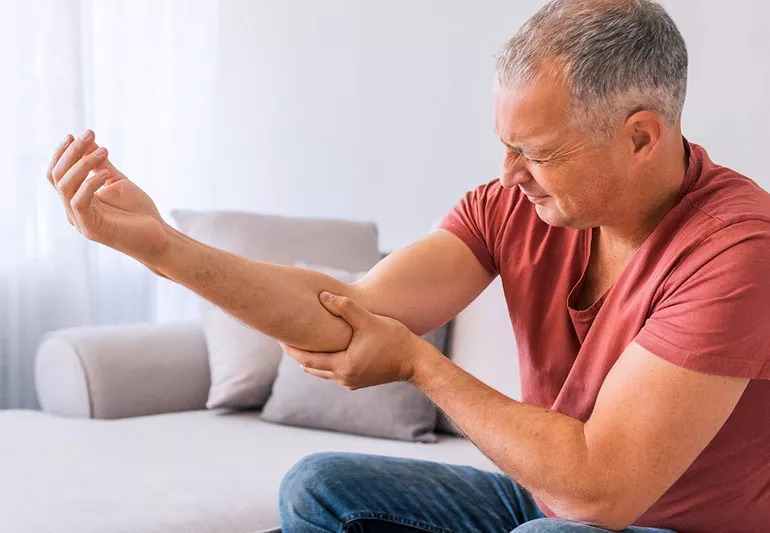
Osteoarthritis is a common degenerative joint disease that affects millions of individuals worldwide, causing discomfort and pain that can impede daily activities. Muscle strains, on the other hand, are a frequent setback for athletes and physically active individuals. Both conditions demand effective management strategies to alleviate pain and improve quality of life. Among the plethora of treatment options, pain relief for osteoarthritis through topical applications has gained popularity for its ease of use and potential benefits. In this article, we will explore the ins and outs of topical pain relief for managing osteoarthritis and muscle strains.
Understanding the Pain:
Before delving into treatment options, it’s important to comprehend the nature of the pain associated with osteoarthritis and muscle strains. Osteoarthritis pain stems from the wear and tear of cartilage, leading to inflammation and discomfort in the joints. Muscle strains are the result of overstretching or tearing muscle fibers, resulting in inflammation and soreness. Both require targeted approaches for pain management.
Topical Treatment Advantages:
The use of topical pain relief offers several advantages over systemic medications. Topical applications are directly applied to the affected area, providing localized relief without the systemic side effects often associated with oral pain relievers. This localized approach delivers the medication right where it’s needed, reducing pain and inflammation in a targeted manner.
Key Components of Topical Pain Relievers:
Topical pain relievers come in various formulations including creams, gels, and patches. The efficacy of these treatments largely depends on their active ingredients, which may include nonsteroidal anti-inflammatory drugs (NSAIDs), capsaicin, counterirritants, salicylates, or a combination of these. Each plays a distinct role in alleviating pain and reducing inflammation.
Looking at Natural Ingredients:
In recent times, there has been a growing interest in natural ingredients incorporated into topical pain relief treatments. These ingredients include herbal extracts and essential oils that are known for their soothing and anti-inflammatory properties, offering an alternative for those seeking natural pain management solutions.
The Science Behind Topical Applications:
Scientific studies have shown that topical pain relievers can be effective in managing pain symptoms associated with both osteoarthritis and muscle strains. The mechanisms of action include reducing inflammatory mediators at the site of application, thereby decreasing pain perception and improving joint function.
Selecting the Right Product:
When choosing a muscle pain relief gel or cream for osteoarthritis or muscle strain, it is important to consider the specific needs of your condition, the severity of the pain, and any personal sensitivities to ingredients. Consulting with a healthcare professional can provide guidance on the most appropriate topical treatment for your individual circumstances.
Application Techniques:
Proper application techniques can enhance the effectiveness of topical treatments. Massaging the product onto the affected area increases blood flow and absorption, while also providing a soothing sensation that can further alleviate discomfort.
Complementary Therapies:
Topical pain relievers can be used in conjunction with other therapies such as physical therapy, exercise, hot and cold treatments, and lifestyle modifications to achieve the best outcomes in pain management for osteoarthritis and muscle strains.
Lifestyle Factors:
Lifestyle modifications, including weight management, proper nutrition, and appropriate exercise regimens, can significantly impact pain levels and overall joint health, contributing to the management of osteoarthritis symptoms.
Understanding Limitations:
While topical pain relievers are beneficial, they are not a cure for osteoarthritis or muscle strains. They are part of a comprehensive treatment plan designed to manage symptoms and improve the quality of life. It is also necessary to recognize that individual responses to treatment may vary.
Safety Considerations:
Topical applications are generally considered safe, but it’s essential to use them as directed, avoid applying to broken skin, and be mindful of potential allergens or skin sensitivities. Always read product labels and follow instructions to avoid adverse effects.
Patient Experiences:
Anecdotal evidence and patient testimonials often highlight the positive impact of topical treatments on managing pain and improving functionality in daily tasks. Engaging with communities or forums may provide real-world insights and support.
Final Thoughts:
Dealing with osteoarthritis and muscle pain requires a thoughtful approach that includes a variety of management strategies. Topical treatments offer a convenient and targeted form of muscle pain relief gel and pain relief for osteoarthritis, providing sufferers with a practical option to soothe the ache and improve mobility. As always, alongside any treatment, maintaining an open dialogue with a healthcare professional is critical to navigating pain management effectively.
Resources and Further Reading:
For those seeking more information on osteoarthritis, muscle strains, and the role of topical pain relief, a wealth of resources is available through medical journals, reputable health websites, and support organizations dedicated to joint and muscle health. Empowering yourself with knowledge can aid in making informed decisions about your pain management journey.