


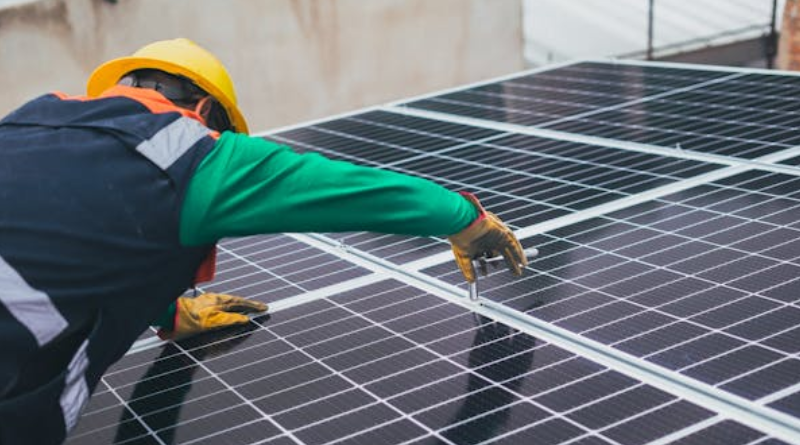
Solar panels are increasingly seen as a worthwhile investment for homeowners, offering potential savings on electricity bills and environmental benefits. According to recent reports, solar panel systems can save households between £440 and £1,005 annually on energy costs, with the potential to break even on the initial investment within 8 to 10 years.
Solar Panel Payback Periods
Solar panel payback periods have significantly decreased in recent years, making them an increasingly attractive investment for homeowners. The average payback period for solar panels in the UK now ranges from 7 to 15 years, with some estimates as low as 4.1 years due to soaring electricity prices. Factors affecting the payback period include:
- Installation costs, which have fallen by 82% since 2010
- Household electricity usage and local energy rates
- System size and efficiency
- Available incentives, such as the Smart Export Guarantee (SEG)
- Geographic location and sunlight exposure
As electricity prices continue to rise, solar panels are becoming more cost-effective, with potential savings of 50-70% on annual electricity bills. Some homeowners may even break even on their investment as early as 2027, according to research from the University of Surrey. With typical solar panel warranties lasting 25 years, this leaves ample time for additional savings and environmental benefits after the initial payback period.
Impact on Home Resale Value
Solar panels can significantly increase a home’s resale value, making them an attractive investment beyond energy savings. Studies show that homes with solar installations typically sell for 0.9% to 4.1% more than comparable properties without solar. This premium can translate to a substantial increase in property value:
- A Zillow study on solar panels in Chester homes found solar panels can add up to $5,911 per kilowatt of installed capacity where not too far away in Flintshire this figure was similar but the regional house prices varied as one would expect throughout different regions of the UK housing market.
- In the UK, solar installations may boost property values by £1,891 to £2,722 on average
- Some reports suggest increases of up to 14% in certain areas
The value increase is primarily attributed to reduced energy costs for future owners, improved energy performance ratings, and growing environmental awareness among homebuyers. As electricity prices continue to rise and sustainability becomes more important to consumers, the positive impact of solar panels on home resale value is likely to grow further.
Solar Incentives and Rebates
The UK offers several incentives and rebates to make solar panel installations more affordable and attractive for homeowners. The Energy Company Obligation 4 (ECO4) scheme, running until March 2026, provides grants that can cover up to 100% of solar panel installation costs for eligible low-income households. Under ECO4, homeowners with electrically heated properties and those receiving certain government benefits may qualify for free solar panels as part of broader energy efficiency improvements.
Another significant incentive is the Smart Export Guarantee (SEG), which allows solar panel owners to earn money by exporting excess electricity to the grid. This ongoing scheme can provide additional annual savings of £160 on average, further reducing electricity bills. Additionally, the UK government has implemented a 0% VAT rate on domestically installed solar panels and batteries until March 2027, potentially saving homeowners up to £2,850 on a 4kW system with a battery. These incentives, combined with falling installation costs and rising electricity prices, have significantly improved the financial attractiveness of solar panel investments for UK homeowners.
Comparing Payback Across Regions
Solar panel payback periods vary significantly across different regions in the UK, primarily due to variations in sunlight exposure and local electricity prices. Southern regions generally benefit from shorter payback times, with areas like Cornwall and Surrey experiencing payback periods as low as 6 years for systems without batteries. In contrast, northern regions may have slightly longer payback periods due to lower solar irradiance levels.
- Spain leads in Europe with payback times of 6-6.9 years in central and southern regions, thanks to abundant sunshine and high electricity prices.
- France sees payback times below 6 years in the south and southeast, benefiting from high CO2 prices and subsidy schemes.
- Germany’s payback period averages 7-7.9 years, with southern regions like Bavaria performing particularly well.
- The Netherlands and Denmark have payback times of 8-8.9 years and 9-9.9 years respectively, influenced by net metering programs and high electricity prices.
These regional variations highlight the importance of considering local factors when assessing the financial viability of solar panel installations.
Market Trends in Solar Homes
The market for solar-powered homes is experiencing significant growth, driven by increasing environmental awareness and the economic benefits of solar energy. In 2023, the UK saw a remarkable surge in rooftop solar power installations, surpassing the total count from 2022. This trend is expected to continue, with the global solar energy market projected to grow at a compound annual growth rate (CAGR) of 19.68% from 2024 to 2031.
Key factors influencing this market trend include:
- Declining costs of solar components, making installations more affordable for homeowners
- Rising electricity prices, incentivizing the adoption of solar energy
- Government incentives and policies supporting renewable energy adoption
- Increased environmental awareness among consumers
- Technological advancements improving solar panel efficiency
As a result, solar power is reshaping the property market, with a growing demand for solar-powered properties and an increasing number of new housing developments designed to meet energy-efficient goals. This shift is not only benefiting homeowners through reduced energy costs but also potentially increasing property values, making solar installations an attractive investment for both current and future homeowners.
Buyer Preferences for Solar Features
Solar panel features significantly influence buyer preferences in the UK housing market. Energy bill savings are the primary motivator, with 53% of potential buyers citing this as the most influential factor in their decision to purchase a property with solar panels. Environmental impact is also a key consideration, appealing to eco-conscious consumers who prioritize sustainability.
Specific buyer preferences include:
- System size and capacity, with 4-6 kW systems being popular for average households
- Integration with smart home technologies and battery storage systems
- Aesthetics, as some buyers are concerned about the visual impact of panels
- Proven long-term performance and reliability of the solar installation
- Additional features like electric vehicle charging points, which can increase property attractiveness
These preferences vary among different buyer personas, from tech-savvy early adopters seeking the latest innovations to rural homeowners prioritizing energy independence. As the UK solar market continues to grow, with a projected CAGR of 23.45% between 2024 and 2029, understanding these buyer preferences becomes increasingly crucial for both sellers and the solar industry.
Summary
Solar panels offer substantial financial and environmental benefits, with decreasing payback periods and increasing energy savings making them a worthwhile investment. Home resale value often improves with solar installations, and government incentives further enhance their attractiveness. Regional variations in payback times highlight the importance of location-specific analysis, while the rising popularity of solar homes underscores their growing significance in the property market. Understanding buyer preferences can help sellers and developers cater to the demand for energy-efficient and sustainable housing solutions.