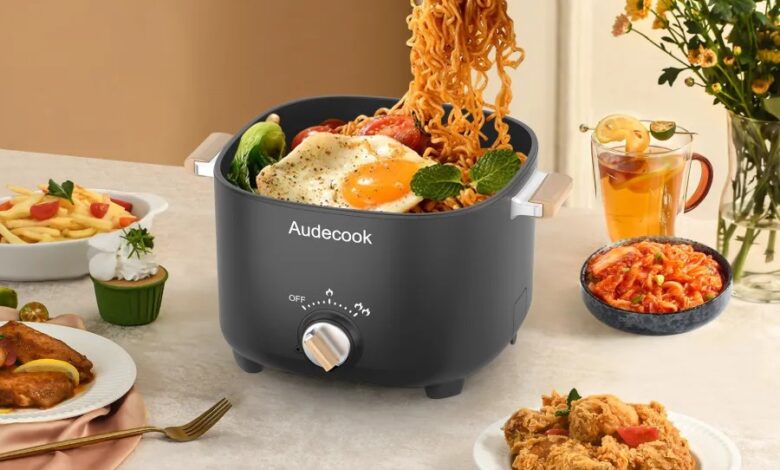
Winter brings the perfect opportunity to indulge in warm, comforting meals that bring people together. One of the best ways to enjoy such a meal is with a hot pot, a communal dining experience where everyone cooks their food at the table in a shared pot of simmering broth. Electric hot pots are particularly popular for their convenience and versatility, allowing for a delightful and interactive meal right at home. As we look ahead to Winter 2024, here’s a guide to choosing the best electric hot pot for your needs.
Why Choose an Electric Hot Pot?
Electric hot pots offer several benefits over traditional stovetop versions:
- Convenience: They can be used anywhere there’s an electrical outlet, making them perfect for dining tables or kitchen counters.
- Temperature Control: Most electric hot pots come with adjustable temperature settings, allowing you to maintain the perfect simmer or boil for your ingredients.
- Safety: Modern electric hot pots include safety features such as automatic shut-off, non-slip feet, and cool-touch handles to prevent accidents.
- Versatility: These hot pots are often multifunctional, with features that allow for grilling, steaming, and more, beyond just boiling broth.
Key Features to Look For
When choosing an electric hot pot, it’s essential to consider several factors to ensure you get the best one for your needs.
- Capacity: Depending on the size of your gatherings, you may need a hot pot with a larger or smaller capacity. Single-person hot pots are great for solo meals, while larger ones can serve families or parties.
- Material: Stainless steel and ceramic are popular choices due to their durability and ease of cleaning. Nonstick coatings can also be beneficial for preventing food from sticking.
- Temperature Control: Look for models with precise temperature control. This can range from simple high-low settings to more advanced thermostats with a wide range of temperatures.
- Safety Features: Automatic shut-off, cool-touch handles, and non-slip feet are important for safe operation.
- Versatility: Some hot pots come with additional features such as grill plates, steamer baskets, or dual-sided pots for cooking different broths simultaneously.
Preparing for Your Hot Pot Meal
The key to a successful hot pot meal lies in the preparation. Here are some tips to ensure your dining experience is seamless and enjoyable:
- Broth Preparation: The broth is the foundation of your hot pot meal. You can use store-bought broths, but making your own allows for customization to suit your taste. Whether it’s a spicy Sichuan broth or a milder chicken broth, the quality of the broth will greatly influence the overall flavor.
- Ingredient Selection: Hot pots are incredibly versatile and can accommodate a wide variety of ingredients. Common choices include thinly sliced meats, seafood, vegetables, mushrooms, tofu, and noodles. Prepare these ingredients ahead of time by washing, slicing, and arranging them on plates for easy access during the meal.
- Dipping Sauces: A variety of dipping sauces can enhance the flavor of the cooked ingredients. Traditional options include sesame paste, soy sauce, chili oil, garlic, and chopped scallions. Encourage your guests to mix and match to find their favorite combinations.
Using Your Electric Hot Pot
Using an electric hot pot is straightforward, but here are some tips to maximize your experience:
- Setting Up: Place your electric hot pot on a stable, heat-resistant surface. Make sure it is plugged into a nearby electrical outlet. Fill the pot with broth, ensuring it doesn’t exceed the maximum fill line.
- Heating the Broth: Turn on the hot pot and set it to high to bring the broth to a boil. Once boiling, reduce the heat to maintain a gentle simmer.
- Cooking the Ingredients: Add ingredients to the broth as desired. Thinly sliced meats and seafood cook quickly, while denser vegetables and tofu may take a bit longer. Use chopsticks or slotted spoons to retrieve cooked items from the pot.
- Adjusting the Temperature: Throughout the meal, adjust the temperature as needed to keep the broth at a consistent simmer. Avoid letting it boil too vigorously, as this can cause the broth to evaporate too quickly.
- Replenishing the Broth: Keep extra broth on hand to replenish the pot as needed, ensuring the ingredients always have enough liquid to cook in.
Cleaning and Maintenance
Proper cleaning and maintenance will extend the life of your electric hot pot and ensure it remains safe to use:
- Unplug and Cool Down: Always unplug the hot pot and allow it to cool completely before cleaning.
- Cleaning the Pot: Most electric hot pots have a removable inner pot for easy cleaning. Wash it with warm, soapy water and a non-abrasive sponge. Avoid using harsh cleaners that could damage the surface.
- Wipe Down the Exterior: Use a damp cloth to wipe down the exterior of the hot pot, being careful not to let water seep into any electrical components.
- Storage: Store your hot pot in a dry place. If it has removable parts, store them together to avoid losing any pieces.
Conclusion
Electric hot pots are a wonderful addition to any kitchen, especially during the winter months. They offer convenience, versatility, and an enjoyable dining experience that brings people together. Whether you’re cooking a meal for yourself or hosting a gathering, an electric hot pot can be the perfect solution for a warm, comforting meal. As you prepare for Winter 2024, consider the key features and tips mentioned above to find the best electric hot pot for your needs. Your winter dining experiences will be richer and more enjoyable with this fantastic appliance.