
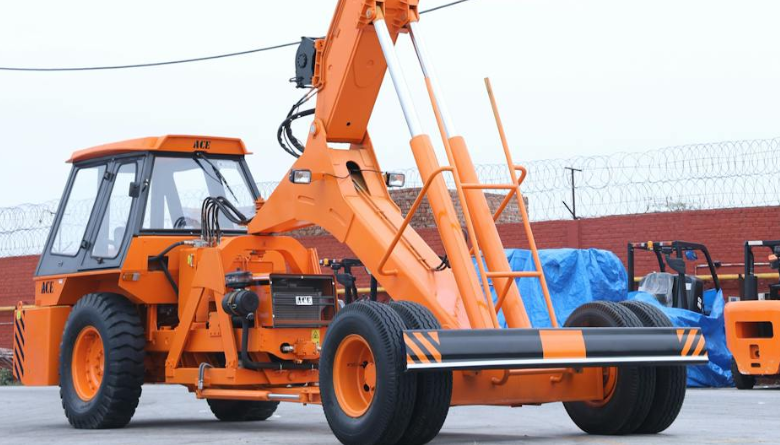
Excavators are versatile heavy machinery primarily used for digging, excavation, and material handling. However, they can also be adapted to function as cranes, enabling contractors to maximize their utility on job sites. This comprehensive guide explores how excavators can be used as cranes, the benefits, safety considerations, and best practices to ensure efficiency and safety.
Using an Excavator as a Crane
Adapting an excavator for lifting operations involves utilizing its boom, arm, and attachment points to lift and move heavy loads vertically and horizontally. This requires proper attachments, such as lifting hooks or slings, and an understanding of the machine’s lifting capabilities.
Key Components in Crane Operations
- Boom and Arm: The main lifting mechanisms, designed to provide reach and strength.
- Hydraulic System: Powers the boom and arm movements for precise control during lifting.
- Attachments: Include hooks, slings, and specialized lifting tools for secure load handling.
- Load Chart: A critical reference that outlines the lifting capacity of the excavator at various boom angles and arm extensions.
Advantages of Craning with an Excavator
- Cost-Effectiveness: Reduces the need to hire a separate crane, saving time and money.
- Versatility: Offers the ability to switch between digging and lifting tasks seamlessly.
- Mobility: Excavators can move quickly and operate in confined spaces where cranes may struggle.
- Efficiency: Ideal for short-term or smaller lifting tasks on construction sites.
Safety Considerations
Operating an excavator as a crane comes with specific risks that require attention to safety protocols:
- Understand Load Limits: Always refer to the load chart to avoid overloading the machine.
- Inspect Equipment: Regularly check the hydraulic system, lifting attachments, and structural integrity of the boom and arm.
- Stabilize the Machine: Ensure the excavator is on firm, level ground, and use outriggers if available.
- Operator Training: Only trained operators with knowledge of lifting operations should perform crane-like tasks.
- Monitor Swing Radius: Be aware of the swing radius to prevent collisions with nearby structures or personnel.
- Use Spotters: Employ a spotter to guide the operator during complex lifts.
Best Practices for Using Excavators as Cranes
- Select the Right Excavator: Choose a model with sufficient lifting capacity and range for your project needs.
- Use Proper Attachments: Invest in high-quality lifting hooks and slings suitable for the weight and type of load.
- Plan the Lift: Assess the load, calculate distances, and ensure the area is clear of obstacles.
- Follow Manufacturer Guidelines: Adhere to the manufacturer’s recommendations for lifting operations.
- Monitor Weather Conditions: Avoid lifting in high winds or during adverse weather.
Common Applications
Using an excavator as a crane is practical for various tasks, including:
- Lifting and placing construction materials like steel beams and pipes.
- Moving heavy equipment or components on job sites.
- Installing utility poles and similar structures.
Limitations to Consider
While versatile, excavators are not designed as dedicated cranes and have limitations:
- Lifting Capacity: Typically lower than that of dedicated cranes.
- Range of Motion: Restricted by the boom and arm design.
- Precision: May lack the fine control of a traditional crane for delicate operations.
Conclusion
Using an excavator as a crane can be a cost-effective and efficient solution for construction and industrial tasks. By understanding the machine’s capabilities, adhering to safety protocols, and implementing best practices, you can maximize the utility of an excavator while ensuring safe and successful lifting operations. This approach not only reduces costs but also enhances the versatility of your equipment on the job site.


