


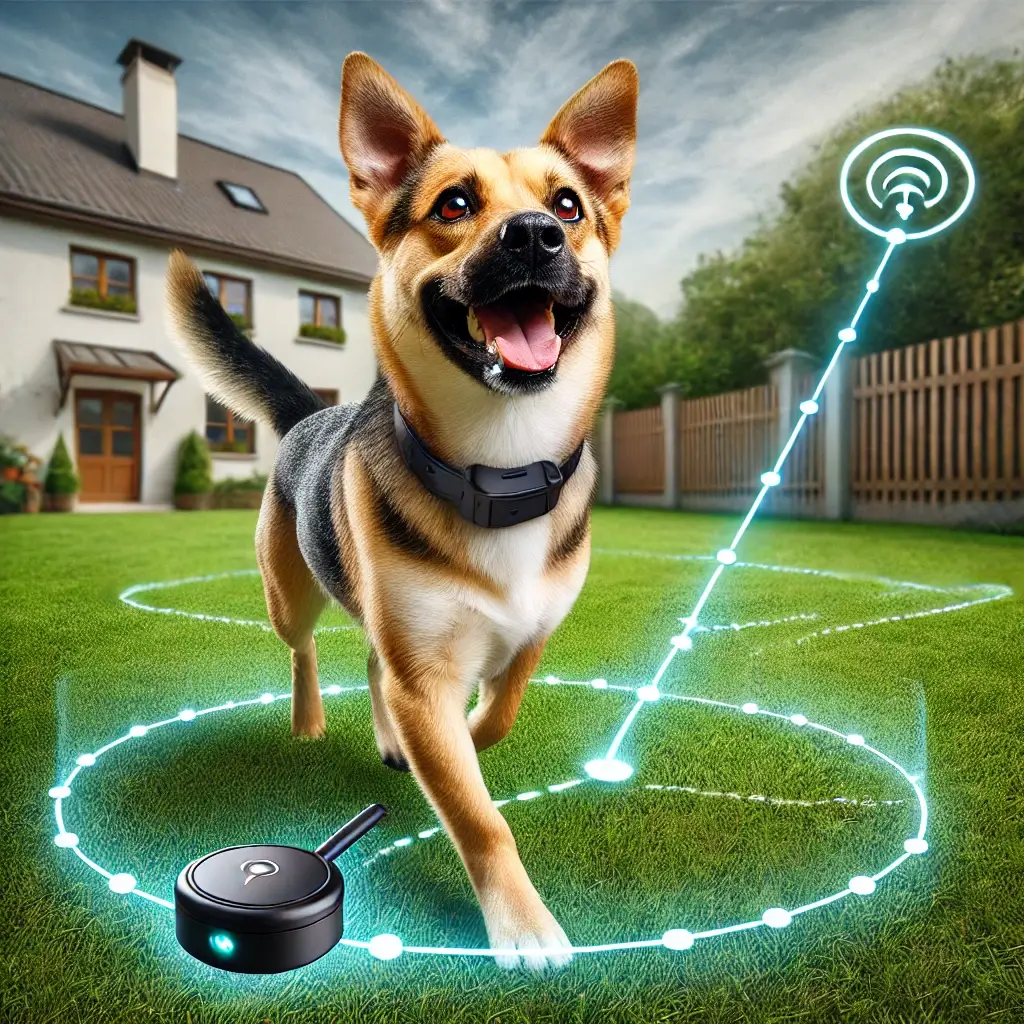
Modern dog ownership has entered a new era with the advent of GPS technology designed specifically for our canine companions. GPS dog collars represent a significant leap forward from traditional training methods, offering pet owners unprecedented insight into their dog’s location, behavior, and safety. These innovative devices combine satellite tracking with smart technology to create a comprehensive solution for both training challenges and everyday pet management concerns.
Whether you’re dealing with a curious puppy prone to wandering, training a hunting dog for off-leash work, or simply want peace of mind knowing your pet’s whereabouts at all times, GPS dog collars provide practical answers to age-old problems. The technology has evolved from bulky, expensive equipment into sleek, affordable devices that seamlessly integrate into daily routines. As more pet owners discover the advantages these collars offer, they’re transforming not just how we train dogs, but how we understand and interact with them throughout their lives.
Understanding GPS Dog Collars
GPS dog collars are wearable devices that attach to your dog’s neck and use Global Positioning System technology to track their real-time location. These collars contain a GPS receiver that communicates with satellites orbiting Earth, calculating your pet’s precise coordinates and transmitting this information to your smartphone or computer through cellular networks or radio frequencies. Unlike traditional collars that serve only as identification holders, GPS collars function as active monitoring systems that continuously update your dog’s position.
The collar itself houses several key components: a GPS chip for location detection, a communication module for data transmission, a rechargeable battery, and often additional sensors that monitor activity levels and behavior patterns. Most modern GPS collars pair with dedicated mobile applications, allowing you to view your dog’s location on an interactive map, set virtual boundaries called geofences, and receive instant alerts when your pet leaves designated safe zones. Some advanced models integrate training features like vibration or tone corrections, combining tracking capabilities with behavioral modification tools. The technology works both indoors and outdoors, though accuracy improves in open areas with clear sky visibility where satellite signals remain unobstructed by buildings or dense foliage.
The Benefits of GPS Dog Collars
GPS dog collars deliver multiple advantages that extend far beyond simple location tracking. The most immediate benefit is enhanced safety—knowing your dog’s exact position at any moment provides invaluable peace of mind, especially for owners of escape artists or dogs with high prey drives. When a dog slips through a fence or bolts after wildlife, every second counts, and GPS collars eliminate the frantic guesswork of search efforts by pinpointing their location instantly.
From a training perspective, these collars revolutionize off-leash work by allowing you to monitor your dog’s movements during distance commands and recall exercises. You can track whether your dog maintains proper boundaries during outdoor training sessions, identify patterns in their wandering behavior, and intervene before they stray too far. The activity monitoring features also provide insights into your dog’s exercise levels and rest patterns, helping you adjust training intensity appropriately. Many collars include gentle correction options like vibrations or tones that support boundary training without physical force. For multi-dog households, GPS collars enable simultaneous tracking of several pets, ensuring none go missing during group outings. Additionally, the historical location data helps identify your dog’s favorite spots and movement habits, information that proves useful when a pet goes missing or when understanding behavioral triggers tied to specific locations.
How GPS Dog Collars Work
The technology behind GPS dog collars relies on a sophisticated network of satellites and ground-based infrastructure working in concert. When activated, the GPS receiver inside the collar connects to multiple satellites—typically four or more—circling the Earth at approximately 12,500 miles above the surface. Each satellite transmits radio signals containing its location and the precise time the signal was sent. The collar’s GPS chip receives these signals and calculates the time it took for each to arrive, using this data to triangulate the dog’s exact position through a mathematical process called trilateration. This calculation happens continuously, updating location coordinates every few seconds to several minutes depending on the device settings.
Once the collar determines your dog’s position, it must transmit this information to you. This communication happens through one of two primary methods: cellular networks or radio frequencies. Cellular-based collars function like miniature smartphones, sending location data through standard mobile networks to cloud servers that your smartphone app accesses via the internet. These collars require subscription plans for cellular service but offer unlimited range as long as cell coverage exists. Radio-frequency collars, conversely, transmit signals directly to a handheld receiver you carry, eliminating subscription fees but limiting range to typically three to nine miles depending on terrain. The collar’s internal sensors also monitor movement patterns, distinguishing between walking, running, and resting states by measuring acceleration and directional changes. Battery management systems regulate power consumption, with most collars lasting one to seven days per charge depending on update frequency and feature usage. When you access the companion app, you see your dog’s current location overlaid on detailed maps, along with breadcrumb trails showing recent movement history, geofence status indicators, and battery level warnings that ensure the device remains operational when you need it most.
Choosing the Right GPS Dog Collar
Selecting the ideal GPS dog collar requires evaluating several factors that align with your specific circumstances and your dog’s characteristics. Start by assessing your dog’s size and build—collars designed for large breeds may overwhelm small dogs, while lightweight models might lack durability for powerful pullers. Consider your typical usage environment: if you frequent remote areas without cellular coverage, radio-frequency collars provide more reliable tracking than cellular models that depend on network availability. Conversely, urban and suburban owners benefit from cellular collars’ unlimited range and convenient smartphone integration.
Battery life stands as a critical consideration, particularly for extended outdoor adventures or owners who forget frequent charging. Collars offering three to seven days of operation between charges suit most situations, though daily charging models work fine for routine neighborhood walks. Evaluate the subscription costs associated with cellular models—monthly fees range considerably and accumulate over years of ownership. Waterproofing matters for dogs who swim or play in wet conditions, while durability ratings indicate how well collars withstand rough play and environmental exposure. Finally, examine the companion app’s functionality: intuitive interfaces with clear maps, responsive customer support, and reliable alert systems make daily use effortless. Companies like SATELLAI have developed user-friendly platforms that streamline the tracking experience, making it easier for pet owners to monitor their dogs without technical complications. Testing the geofence accuracy and checking user reviews about real-world performance helps avoid devices with frustrating limitations that only emerge after purchase.
Real-Life Applications of GPS Dog Collars
GPS dog collars prove their worth across diverse real-world situations that challenge traditional pet management approaches. Off-leash training represents one of the most valuable applications—hunters and sporting dog owners rely on GPS dog collars to monitor their dogs’ positions during field work, tracking their range and ensuring they respond to recall commands even when visual contact breaks. The ability to see exactly where a dog ranges during training sessions allows trainers to gradually extend boundaries while maintaining control, building reliable off-leash behavior through measured progression rather than guesswork.
Lost pet recovery showcases the technology’s most critical function. When dogs escape through open gates, slip their leashes during walks, or wander from campsites, GPS collars transform potentially tragic situations into manageable ones. Owners can immediately locate their pets rather than spending hours posting flyers and searching neighborhoods blindly. Hiking and camping enthusiasts use GPS collars to prevent their dogs from chasing wildlife into unfamiliar territory, with geofence alerts warning when pets stray beyond safe perimeters around base camps. Urban dog owners benefit during daily routines too—if a dog bolts from a dog park or slips away during a veterinary visit, the collar provides instant location updates. Senior dogs prone to disorientation or those with cognitive decline gain an additional safety layer, as caregivers receive alerts if they wander from home. Multi-dog owners tracking pack dynamics during group exercise can identify which dogs explore furthest and adjust supervision accordingly, while service dog organizations monitor trainee behavior during public access training to ensure consistent performance across various environments.
Addressing Concerns and Limitations
While GPS dog collars offer substantial benefits, potential users often raise legitimate concerns worth addressing. Privacy worries top the list—some owners feel uncomfortable with constant tracking or fear data breaches exposing their location patterns. Reputable manufacturers employ encryption and secure servers, though reading privacy policies before purchase remains prudent. Battery life limitations require regular charging routines, which some owners find burdensome, particularly with models lasting only one to two days. Establishing consistent charging habits, like docking the collar each evening, mitigates this inconvenience.
Technical limitations also exist: GPS accuracy degrades indoors and in areas with dense tree cover or tall buildings that block satellite signals, potentially showing your dog’s location offset by 30 to 100 feet. Cellular models fail in areas without network coverage, making them unreliable for remote wilderness adventures. Subscription costs accumulate over time, adding ongoing expenses beyond the initial purchase. Some dogs find collars uncomfortable initially, requiring gradual acclimation periods. Additionally, GPS collars don’t prevent dogs from escaping—they only help locate them afterward, meaning they supplement rather than replace proper fencing, training, and supervision. Understanding these limitations helps set realistic expectations while maximizing the technology’s genuine advantages.
Embracing GPS Technology for Enhanced Pet Safety
GPS dog collars have fundamentally transformed how we approach dog training and pet management, offering solutions that were unimaginable just a decade ago. By combining precise location tracking with smart technology and training features, these devices address critical challenges facing modern dog owners—from preventing lost pets to enabling confident off-leash training. The ability to monitor your dog’s whereabouts in real-time provides not just practical benefits but genuine peace of mind that enhances the entire ownership experience.
While GPS collars come with considerations like subscription costs, charging requirements, and technical limitations in certain environments, their advantages far outweigh these manageable drawbacks for most owners. Whether you’re training a working dog, managing an escape-prone pet, or simply seeking additional security during outdoor adventures, GPS technology offers tangible improvements to safety and training outcomes. As these devices continue evolving with better battery life, improved accuracy, and more intuitive features, they’re becoming essential tools rather than luxury accessories. Investing in a quality GPS dog collar means investing in your dog’s safety and your own confidence, revolutionizing the bond you share through technology that keeps you connected no matter the distance.