


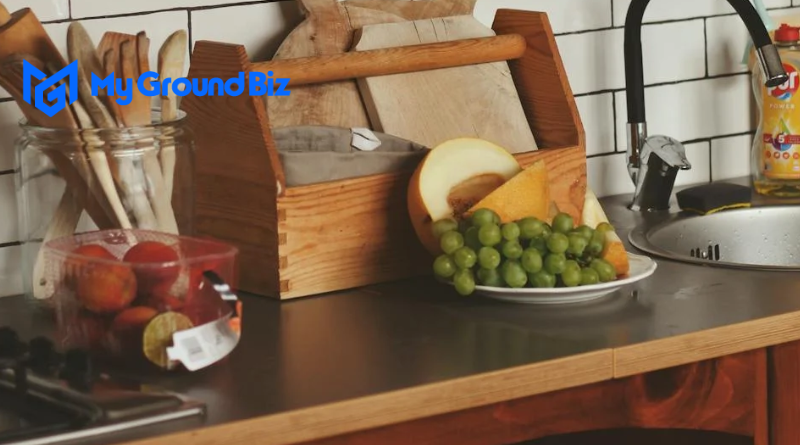
Renovating a kitchen can be a significant investment, with costs in the UK ranging from £5,000 to £30,000 or more, depending on the size and quality of materials chosen. To effectively budget for a new fitted kitchen, experts recommend breaking down the project into components, prioritizing essential upgrades, and considering cost-saving measures such as DIY work where possible.
Professional Installation Costs
When opting for a professionally fitted kitchen (see this fitted kitchen specialist in Warrington as an example – Real Room Designs), costs can vary significantly based on factors such as kitchen size, materials, and location. On average, homeowners in the UK can expect to pay between £5,000 and £12,000 for a new kitchen installation. This price typically includes removing the old kitchen, fitting new units and worktops, installing appliances, and basic decorating.
For a more detailed breakdown, the average kitchen installation cost is around £3,500. This covers:
- Removing the existing kitchen
- Fitting new kitchen units and worktops
- Installing sinks, taps, and appliances
- Basic painting, plastering, and tiling
However, it’s important to note that this estimate may not include additional services such as:
- Plumbing for taps and appliances
- Electrical work for lighting or ventilation
- Structural changes like moving walls or doors
The cost of labor for professional kitchen fitters typically ranges from £120 to £240 per day. In London and the Southeast, these rates can be up to 20% higher than the national average.
When it comes to specific installation costs:
- Electric oven installation: £100-£150
- Stove installation: £100-£150
- Fridge installation: £50-£100
- Extractor fan installation: £190-£220
- Worktop installation: £100 per square metre, with total costs potentially exceeding £1,000
The size of the kitchen also plays a significant role in determining costs. Based on average UK kitchen sizes:
- Small kitchen (5-10 m²): £1,500 to £3,000
- Medium kitchen (10-15 m²): £3,000 to £5,000
- Large kitchen (15+ m²): £4,500 or higher
It’s worth noting that these prices are for labor only and do not include the cost of materials or appliances. When budgeting for a new kitchen, it’s advisable to allocate about 20-30% of the total budget for installation costs.
To ensure you’re getting value for money, it’s recommended to obtain multiple quotes from reputable kitchen fitters. Always check their credentials, ask for references, and ensure they’re properly insured. While professional installation may seem costly, it often results in a higher-quality finish and can add significant value to your home in the long run.
DIY Installation Savings
DIY installation can significantly reduce the cost of a new fitted kitchen, with potential savings of up to £4,000 on labor alone. By taking on tasks such as assembling cabinets, fitting units, and installing appliances, homeowners can stretch their budget further and allocate more funds to high-quality materials or statement pieces.
To maximize savings through DIY installation:
- Start with thorough planning and accurate measurements to avoid costly mistakes.
- Consider keeping the existing layout to minimize plumbing and electrical work, which can be complex and expensive.
- Tackle simpler tasks first, such as painting walls or assembling cabinets, to build confidence.
- Use online tutorials and guides for step-by-step instructions on specific installation processes.
- Invest in essential tools like a spirit level, electric drill, and screwdriver set.
While DIY can save money, it’s crucial to know your limits. Complex tasks such as gas and electrical work should always be left to certified professionals to ensure safety and compliance with regulations. For those new to DIY, starting with smaller projects like installing cabinet handles or backsplashes can be a good way to gain experience.
To further reduce costs, consider:
- Selling your old kitchen units to offset new purchases.
- Opting for stock and standard sizes rather than custom-made units.
- Reusing materials where possible, such as keeping existing appliances if they’re in good condition.
By combining DIY installation with smart purchasing decisions, homeowners can achieve significant savings on their kitchen renovation. However, it’s important to balance the desire to save money with the need for quality and safety in this essential living space.
Affordable Material Alternatives
When renovating a kitchen on a budget, selecting affordable material alternatives can significantly reduce costs without compromising on style or functionality. Flooring is a key area where savings can be made, with vinyl and laminate emerging as popular choices for budget-conscious homeowners. These materials are designed to replicate the appearance of more expensive options like hardwood or stone, while offering durability and water resistance at a fraction of the cost.
For countertops, consider opting for laminate or butcher block instead of pricier materials like granite or quartz. Laminate countertops have come a long way in terms of design and can convincingly mimic the look of natural stone. Butcher block, while requiring more maintenance, offers a warm, rustic aesthetic that can elevate the overall kitchen design.
When it comes to cabinetry, explore alternatives to custom-built units:
- Stock cabinets from big-box stores or online retailers offer significant savings.
- Ready-to-assemble (RTA) cabinets can be a cost-effective middle ground between stock and custom options.
- Consider open shelving for some areas to reduce cabinet costs and create a more spacious feel.
For backsplashes, ceramic tiles remain an affordable and versatile option. However, for an even more budget-friendly approach, consider:
- Peel-and-stick tiles that can be easily installed without professional help.
- Painted beadboard for a charming, cottage-style look.
- Wallpaper designed for kitchen use, which can add pattern and color at a low cost.
Lighting can also be updated affordably by choosing energy-efficient LED fixtures or adding under-cabinet lighting strips to enhance functionality and ambiance.
By carefully selecting these affordable material alternatives, homeowners can achieve a stylish and functional kitchen renovation without breaking the bank. It’s important to balance cost-saving measures with quality to ensure the longevity of the renovation. Remember that even budget-friendly materials, when chosen thoughtfully and installed properly, can result in a beautiful and durable kitchen that meets both aesthetic and practical needs.
Flat-Pack Kitchen Solutions
Flat-pack kitchens have emerged as a popular and cost-effective alternative to traditional fitted kitchens, offering homeowners a balance between affordability and customization. These ready-to-assemble units are delivered directly to your door, typically within a week, allowing for a quick and efficient renovation process.
One of the primary advantages of flat-pack kitchens is their cost-effectiveness. They tend to be significantly cheaper than rigid kitchens, making them an attractive option for those working with a tight budget. This affordability stems from reduced manufacturing and transportation costs, as well as the DIY assembly aspect that eliminates professional installation fees.
However, the benefits of flat-pack kitchens extend beyond just price:
- Customization: Many flat-pack kitchen providers offer a wide range of styles, colors, and finishes, allowing homeowners to create a personalized look that suits their taste and existing decor.
- Flexibility: The modular nature of flat-pack units makes it easier to adapt the kitchen layout to your space, especially in homes with unusual dimensions or angles.
- Easy transport: Flat-packed units are much easier to transport up stairs or through narrow doorways, making them ideal for apartments or homes with limited access.
- DIY-friendly: With clear instructions and basic tools, most homeowners can assemble and install flat-pack kitchens themselves, providing a sense of accomplishment and further cost savings.
Despite these advantages, it’s important to consider some potential drawbacks:
- Assembly time: Putting together a flat-pack kitchen can be time-consuming, especially for those new to DIY projects.
- Quality concerns: While many flat-pack kitchens are made to high standards, some may not match the durability of custom-built units.
- Limited lifespan: Flat-pack kitchens may have a shorter lifespan compared to rigid kitchens, potentially requiring replacement sooner.
To maximize the benefits of a flat-pack kitchen:
- Carefully measure your space and plan the layout before ordering.
- Opt for high-quality flat-pack options with soft-closing mechanisms and sturdy materials.
- Consider hiring a professional for complex tasks like electrical work or plumbing to ensure safety and compliance.
- Take advantage of online design tools and expert advice offered by many flat-pack kitchen providers.
By choosing a flat-pack kitchen solution, homeowners can achieve a stylish and functional kitchen renovation while maintaining control over costs and design. This option aligns well with the DIY approach discussed in previous sections, offering another avenue for significant savings in your kitchen remodel project.
Summary
Budgeting for a kitchen renovation requires a clear understanding of costs associated with professional installation, material selection, and alternative solutions like DIY and flat-pack options. Professional installation offers quality assurance but often at a higher cost, while DIY methods can significantly reduce expenses. Choosing budget-friendly materials, such as vinyl flooring, laminate countertops, and RTA cabinets, allows homeowners to save without sacrificing style. Flat-pack kitchens provide a balance of affordability and customization, making them a practical option for many. Ultimately, careful planning and strategic decision-making can result in a functional, stylish kitchen that aligns with both budget and personal preferences.