
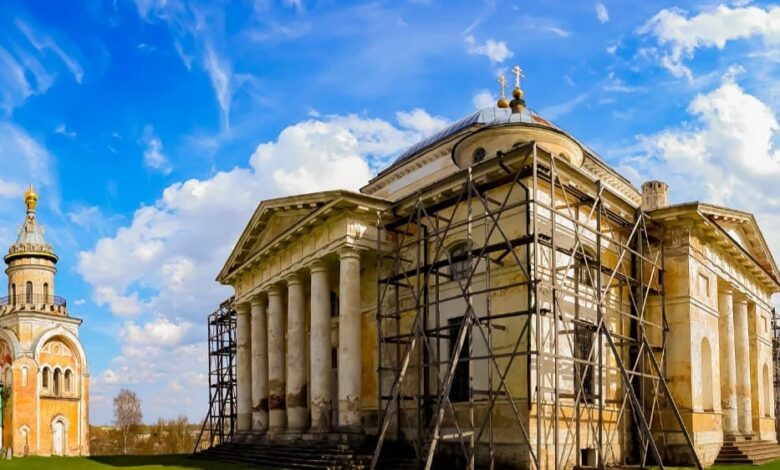
Preserving our architectural heritage through restoration projects requires specialized expertise and careful coordination among various professionals. However, putting together the right team can feel overwhelming when facing a historic building needing restoration. How can an effective project team be assembled for historical building restoration?
The core project team for historical building restoration should include a preservation architect, structural engineer, historic materials specialist, general contractor with preservation experience, and architectural historian – all coordinated by a qualified project manager with heritage conservation expertise.
While this covers the essential team members, there’s much more to consider when assembling your restoration team. Different types of historic buildings and various preservation goals may require additional specialists, and knowing when to bring in specific experts can make the difference between a successful restoration and a costly mistake.
What Additional Specialists Might You Need For Your Historic Restoration Team?
Depending on your building’s specific characteristics and challenges, you may need to hire several specialized experts. An architectural conservator specializing in decorative finishes and materials is essential for buildings with ornate decorative elements. Historic masonry buildings often require a masonry specialist who understands traditional mortars and restoration techniques.
A timber specialist or dendrochronologist can provide crucial insights into wood preservation and dating for properties with significant wooden elements. If your building contains historical mechanical systems or unique architectural features, you’ll want relevant specialists like historic window experts, traditional plasterers, or period-specific HVAC consultants.
When Should Team Members Be Brought Into The Project Timeline?
The sequence of assembling your team is crucial for historical renovation projects. These professionals can help determine which other specialists will be needed and when.
Structural engineers and materials specialists typically join during the evaluation and planning phases, while contractors and specific trade experts usually come aboard during the detailed planning and execution stages. Having key team members involved early helps prevent costly mistakes and ensures a more cohesive approach to the restoration.
How To Ensure Effective Communication Among Your Restoration Team Members?
Regular team meetings and clear communication protocols are vital for historic restoration projects. Establish a central documentation system where all team members can access project plans, historical research, and ongoing findings. This might include building information modeling (BIM) software adapted for heritage projects.
Create a clear chain of command and decision-making process, with the project manager as the primary coordinator. Schedule regular site visits with all relevant team members to discuss challenges and solutions in person. Remember that historic restoration often reveals unexpected issues, so maintaining flexible communication channels helps the team adapt quickly to new findings.
What Qualifications Should You Look For In Historical Restoration Team Members?
When vetting potential team members, look for professionals with specific experience with historical buildings from your property’s era. Check for memberships in relevant organizations like the Association for Preservation Technology International (APT) or the National Trust for Historic Preservation. Certification from recognized preservation programs is also valuable.
Review their portfolio of past restoration projects, particularly ones similar to yours in scope and historical significance. Feel free to request references from previous clients and other preservation professionals. Experience working with local preservation boards and familiarity with relevant historic preservation guidelines and regulations is also crucial.
How To Manage Budget Expectations With A Historical Restoration Team?
Historical restoration projects often uncover unexpected challenges impacting costs, making budget management particularly complex. Start by having each team member provide detailed estimates for their portion of the work, including contingencies for potential discoveries during the restoration process.
Consider implementing a phased approach to the project, where critical structural and preservation work takes priority. This allows for better budget control and the ability to adjust plans based on findings during initial phases. Establish regular financial review meetings with key team members to track expenses and discuss any necessary adjustments to the scope or approach. Remember to include a substantial contingency fund – typically 15-20% of the total budget – to address unexpected issues commonly arising during historical restoration work.
Effective Resource Allocation
The best way to begin assembling your restoration team is by identifying and hiring a qualified preservation architect who can help guide the rest of your team-building process. This professional can assess your project needs and recommend other team members based on your building’s unique characteristics and preservation requirements. Once you have this cornerstone team member in place, they can help you navigate the process of bringing on additional specialists at the right time in your project timeline.


