
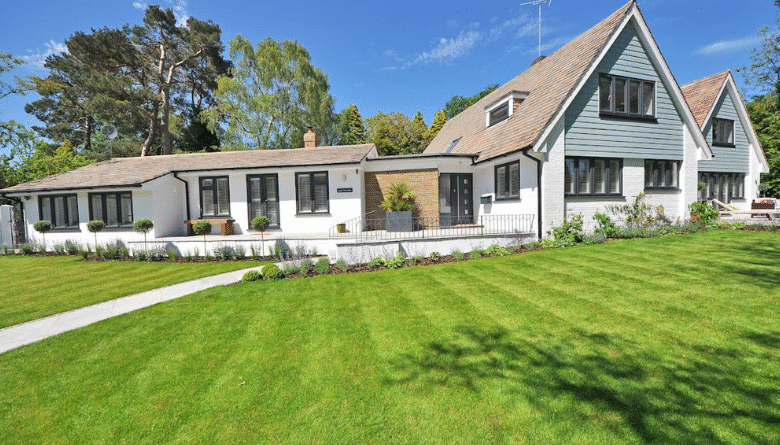
Landscaping is often viewed as a finishing touch to a commercial property, but in practice it is a key part of creating a professional and functional environment. Well-planned landscaping can influence how clients, staff, and visitors perceive a business. It also contributes to long-term value, environmental performance, and workplace wellbeing.
From office parks and retail centres to hotels and healthcare facilities, the outside appearance of a property sets expectations before anyone even enters the building. A maintained and well-designed landscape communicates organisation, reliability, and attention to detail. These are all qualities that many businesses want to project.
First Impressions and Brand Image
The exterior of a property is the first thing visitors and potential clients see. A tidy, thoughtfully designed landscape creates a positive first impression, while neglected or poorly maintained grounds can have the opposite effect.
Landscaping supports a company’s brand identity by aligning outdoor design with business values. For example, a corporate office might prefer a clean, structured layout with formal planting and clear pathways, while a hospitality venue may focus on softer lines, colour, and comfort to make guests feel welcome. In either case, landscaping acts as an extension of a company’s visual and cultural message.
For businesses that rely on attracting customers in person, such as restaurants, retail parks, or leisure facilities, external appearance can have a direct impact on visitor numbers and customer satisfaction.
Property Value and Investment
Commercial properties represent a significant financial investment. Landscaping can help maintain and increase that value. Well-planned outdoor spaces make properties more attractive to tenants and buyers, often improving occupancy rates and lease values.
In competitive commercial markets, professionally landscaped sites tend to stand out. Tenants are often willing to pay more for a property that offers appealing surroundings, convenient outdoor areas, and visible signs of maintenance. A good landscape design can also extend the functional space of a property — for example, through seating areas, pathways, or shaded zones that can be used by staff or customers.
Regular maintenance, including mowing, pruning, and cleaning of hard surfaces, also helps avoid the costs associated with deterioration or neglect. A managed landscape not only looks better but also reduces safety risks, such as overgrown areas that could hide trip hazards or obstruct lighting.
Environmental Benefits
Landscaping has several environmental advantages that can enhance the sustainability of a commercial property. Planting trees and shrubs helps improve air quality by filtering pollutants and producing oxygen. Lawns and planting beds can absorb rainwater, reducing surface runoff and lowering the risk of flooding.
Green areas also help regulate temperature. Shaded zones can reduce heat build-up around buildings and car parks, which may lower energy use for cooling during warmer months. Incorporating native plants and low-maintenance species can further support biodiversity while keeping maintenance costs predictable.
Incorporating water-efficient irrigation systems, mulching, and soil management techniques can also contribute to sustainability goals. Many businesses now include such measures as part of their corporate environmental strategies.
Employee Wellbeing and Productivity
Landscaping is not only about visual appeal. It can also have a positive effect on employee wellbeing. Access to well-maintained green spaces provides staff with areas to take breaks, walk, or spend time outdoors during the day. Studies consistently show that contact with nature can reduce stress and improve focus.
Simple elements such as shaded seating areas, walking paths, and seasonal planting can make a commercial site more pleasant to work in. In large developments, landscaped outdoor areas can be used for informal meetings or team activities.
From a management perspective, providing staff with access to natural surroundings can contribute to morale, retention, and overall job satisfaction — factors that benefit both employers and employees.
Functionality and Safety
A practical landscape design supports the everyday use of a property. Clear paths, lighting, and signage improve safety and accessibility for both staff and visitors. Plants and trees can be positioned strategically to direct foot traffic or provide natural screening without blocking essential views.
Proper landscaping can also reduce maintenance issues. For example, good drainage design prevents water pooling, and appropriate planting choices reduce the need for excessive pruning or pest control.
Features such as garden edging help keep borders tidy, separate planting areas from pathways, and give a neat, professional appearance to lawns and flower beds. These small details contribute to the overall sense of order and care that people associate with a well-managed property.
Seasonal Appeal and Long-Term Planning
Landscaping is a long-term investment that requires consistent management. A well-considered design includes a mix of plants that provide interest throughout the year — evergreens for structure, flowering plants for colour, and deciduous trees for seasonal change.
Regular maintenance schedules help ensure that the appearance of the property remains consistent. This includes cleaning, replacing damaged plants, repairing hard surfaces, and maintaining irrigation systems. Professional landscapers can help plan seasonal updates so that the grounds always look cared for and relevant to the time of year.
Forward planning also allows for adjustments as the property evolves. For example, changes in foot traffic, parking layouts, or building extensions can all be accommodated with thoughtful landscape modifications.
Community and Corporate Responsibility
Businesses play a role in the communities where they operate. Well-kept landscapes can make surrounding areas more attractive and contribute to local pride. Public-facing businesses such as retail parks, hotels, or hospitals have the added responsibility of maintaining spaces that are accessible and comfortable for everyone who visits.
Visible green spaces can also demonstrate a company’s commitment to sustainability and social responsibility. In some cases, landscaped areas can be designed to support local wildlife or community initiatives such as outdoor art or educational gardens.
Conclusion
Landscaping is an important part of managing and presenting a commercial property. It influences first impressions, supports property value, improves environmental performance, and enhances the wellbeing of those who use the space
Investing in professional landscaping, along with regular upkeep and attention to details such as garden edging, shows that a business values quality and care. For property owners and managers, these factors contribute to a positive image, long-term asset protection, and a more sustainable and functional environment.
Read Also: Decoradyard


