

Helping people overcome their dependencies is an intricate and difficult process that calls for a diversified approach to addiction recovery. New recovery tools for addiction have arisen as a result of technological breakthroughs, providing cutting-edge answers to help you along this path.
These innovations in technology are enhancing the accessibility, personalization, and efficacy of recovery. Presented here is how advancements in technology are changing the face of addiction treatment.
1. Digital Therapeutics & TES
The development of recovery tools for addiction has increasingly relied on digital treatments and smartphone apps. These apps enable people to get assistance anytime they need it by providing resources and support all day, every day.
Therapeutic Education Systems (TES) are viewed by practitioners as an interactive, web-based psychosocial intervention for the treatment of substance use disorders. Some participants claimed that TES assisted them in developing new coping strategies and other abilities that enable therapy. These methods can also help folks who are trying to quit consuming alcohol or taking drugs.
Researchers discovered that web-based therapies, such as TES, provide considerable benefits to patients seeking addiction treatment. Some therapies incorporated prize-based incentives to encourage treatment adherence. These interventions also result in fewer treatment dropouts and a higher likelihood of long-term drug-free behavior.
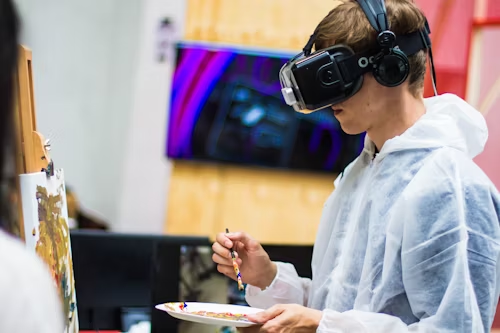
2. Recovery Through Immersive VR Therapy

Thanks to encrypted video conferencing services, people can now communicate with their doctors, therapists, and support groups without ever leaving their homes. Distant locations, mobility issues, and social stigma have all been surmounted.
Half of all medical offices in the United States that provided at least four forms of online telehealth had patients under their care, according to Singlecare.com. Appointment scheduling, medication refills, test result viewing, and visit summary viewing are all part of these telehealth services.
People in rural locations or with mobility issues may get the treatment they need more easily, thanks to telemedicine, eliminating the need to go to healthcare institutions.
3. The Function of AI in Assisting with Addiction Rehabilitation
The use of AI is revolutionizing addiction treatment by making it more targeted and efficient. Artificial intelligence systems analyze mountains of patient data to develop personalized treatment programs. These go beyond simply anticipating when you might have difficulties or modifying your medication; AI takes it a step further by integrating comprehensive addiction treatment.


As a result, you may receive individualized care that incorporates practices such as yoga, meditation, or nutritional counseling. It’s about making sure your health is taken into account in every way to improve your recovery process. Addiction treatment can become more than just a routine with the use of technology; it can become a unique health journey. Take advantage of AI’s ability to revolutionize the conventional method and provide you with a personalized rehabilitation plan.
4. Addiction Support with Digital Therapeutic Tools
Recovery from addiction is benefiting greatly from digital therapy tools. Helpful, user-friendly resources include biofeedback gadgets, mindfulness meditation applications, and cognitive behavioral therapy (CBT) programs. Adolescent and young adult drug treatment centers can benefit greatly from these resources. Their age-appropriate tactics make the recovery process more approachable and enjoyable for younger people.
Mindfulness-based stress reduction programs, cognitive behavioral therapy applications, and biofeedback gadgets contribute to a healthier mind and body. Incorporating these resources into a recovery plan provides helpful, everyday assistance.
5. Remote patient monitoring.
Remote patient monitoring (RPM) allows tracking of patient progress throughout inpatient and outpatient treatment. Wearable devices let clinicians collect data on blood pressure, pulse oximetry to track oxygen saturation (SPO2), and respiratory rate, providing current data for SUD patients to manage relapse and other emergencies.
Some doctors, for example, analyze health indicators and provide prompt medical attention in the event of an opioid overdose. RPM can monitor reactions and respond appropriately as clinicians introduce drugs into treatment.
Some treatment centers employ technology in novel treatment approaches, such as neurofeedback therapy. This form of therapy regimen uses electrodes, computers, and specific software to train the participant’s brain to resist drug cravings.

6. EMDR Computer-Aided Recovery
The acronym EMDR signifies Eye Movement Desensitization and Reprocessing. Trauma is stored in the brain without being processed, making it difficult for those who have been through an intense experience to move on with their life. However, using the power of memory and imagination, EMDR employs bilateral stimulation or alternating noises to biologically reprocess the experience until it is no longer disturbing to the individual.
You can access EMDR on the internet using your computer. The computer-generated EMDR works on the same principles as the in-person version. Also, both choices assist addicted individuals.
7. Finding Community Through Social Media
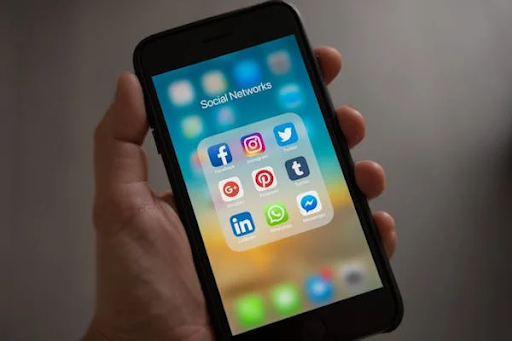
Many people’s daily lives now revolve around social media. Facebook, Instagram, Twitter, Snapchat, and other social media platforms have become integral parts of our everyday lives, allowing us to stay in touch with friends and family.
These communities work similarly to traditional ones, sharing recovery-related testimonials, memes, inspirational quotations, and photographs. They share issues concerning their addiction recovery experience. Members can also post about whatever they’re having trouble with to get help from other members.
In the end!
There are now more ways than ever before to help with addiction recovery, treatment, and prevention because of technological advancements. Recovery solutions are becoming more accessible, individualized, and successful because of developments such as virtual reality treatment, wearable electronics, and telehealth. Online support groups and AI-driven treatments enrich the scene even further by offering constant support, accurate treatment plans, and safe data management.
People who are fighting addiction have reason to be hopeful since emerging technologies have the potential to completely alter the landscape of addiction recovery. Those fighting addiction can find a more manageable and empowering way to recover by embracing these technological innovations.