


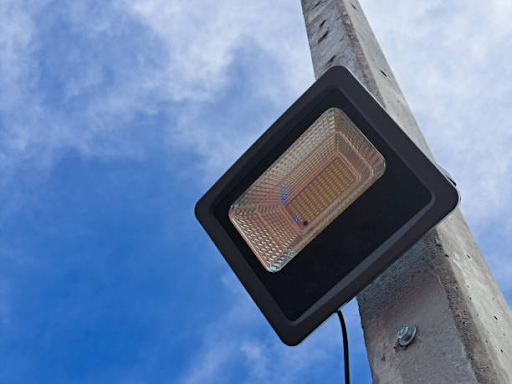
People used to think streetlights had to hum along on city power, yet solar poles are proving otherwise. These quiet fixtures soak up daylight, then spill it onto sidewalks and alleys without denting the monthly budget. In neighborhoods where tax dollars feel stretched, the promise of zero energy bills can be almost revolutionary. Steady light from a solar lamp eases the unease that settles in after dusk, letting joggers, delivery drivers, and late-shift nurses move with more confidence. Buyers often notice crime rates tap the brakes soon after the panels flick on. Reliable gear matters, which is why municipalities insist on dealing with manufacturers that have years in the field and can point to installations still burning bright a decade later. When a town rolls out solar streets, it sends a double message: the grid isnt the only game in town, and progress can run on sunshine. Residents see the change and the city hears the compliments, but outside investors hear something else-the operational headaches, and the unexpected savings, are both lower than advertised.
Why Solar Street Lights Make Communities Safer
Put simply, a street lamp that runs on sunshine can turn a dark corner into a welcoming one. These fixtures keep working even when the grid blinks out, so late-night pedestrians never find themselves in an unlit gap. Reliable light cuts the chances of trips, falls, and quick-pick-pocket scenarios that thrive on shadow. Drivers notice the difference, too, because a marked lane is clearer when the pavement glows. Planners often add motion sensors that brighten the beam only when footsteps appear, saving juice without sacrificing security. Without thick power lines overhead, loose wires and storm-borne shocks become a footnote in the safety manual. After floods or quakes, districts lined with solar lamps still have a fallback source for emergency crews and worried residents. Campuses, bus stops, and neighborhood parks borrow the same tech, spreading the effect well beyond busy streets. Police logs in districts switched to solar frequently show dips in both smash-and-grab calls and late-night rowdiness. The best manufacturers promise products tough enough to shrug off coastal salt, mountain frost, and desert grit, giving cities a set-and-forget upgrade to their public safety plan.
Long-Term Cost Savings and Energy Efficiency
Cost savings carries a weighty headline in almost any solar-street-light sales brochure, and for good reason; it really does spare cities, campus managers or a ring of condo associations a small pile of cash. Because each fixture scoops electricity straight from the daystar, nobody has to shovel money into trenching, copper wire or that steady monthly utility bill. Yes, the sticker price at the checkout counter might sting, yet calculators that run for a decade reveal the tally tilts sharply toward the buyer once LEDs, low-wear components and infrequent upkeep are factored in. Many local and state treasurers still dangle rebates, tax breaks or the occasional green-bill grant, so the upfront dent can shrink faster than folks expect. A contractor who knows the lay of the land can fine-tune brightness, battery sizing and cost-curve assumptions, meaning the poles can be spot-on tailored to coast, desert, winter, whatever climate stripe the project demands. When thousands of lights march onto the ledger, the collective savings fatten the finance department’s cushion and let elected leaders pencil in worthy sidelines like upgraded sidewalks or that long-delayed library. Over the same stretch of years, reliance on fossil resources and the rollercoaster of global fuels quieted down to fixed, predictable numbers that planners can finally bank on.
Choosing the Right Street Light Manufacturer
Picking the right street-light maker could easily be the most important decision on any city planner’s plate. A vendor with real-world credentials-ISO9001, CE, RoHS and a stack of export folders-is usually a safer bet than the flashiest brochure in the pile. Good factories pour money into research and development, so the systems they send out today will keep running solidly a decade from now. Their smart lanterns tend to ship with built-in controls, heavy-duty batteries, corrosion-proof housings, and snap-together parts that a local technician can swap in under an hour. Some brands even camp out on-site during the first install, tweaking brightness profiles and angle adjustments until every fixture works for its exact corner of the city. Because that hands-on launch support dries up in a hurry, municipalities that chase the lowest price often end up nursing premature failures and flickering bulbs. Sensible managers ask vendors up front about training videos, spare-parts catalogs, and the minimum order lead time once new housing blocks start pouring concrete. When demand spikes, the best partners can ramp up shipments in weeks rather than dragging the city budget into another fiscal year.
Real-World Impact and the Path Forward
You can find solar street lights brightening everything from a bustling city square to a remote dirt path that has never seen grid power. In places where electricity stops at the next river, the lamps let stall owners pack up safely and let children finish homework without straining their eyes. After a hurricane cuts the wires down, volunteers lean on these off-grid units to run triage, because even the emergency grid usually quits first. Back in the cities, mayors map the savings onto street budgets and tick off another win in the carbon ledger before the evening news hits. Eager planners in Stockholm, Chicago, and Toronto already bridge the lights to weather stations and traffic counters so every fixture dims or brightens on cue, nudging energy use lower without anyone lifting a finger. Only a handful of summers ago, flaking cells and jittery batteries grounded half the sales pitch; newer glass, sturdier storage, and sharper LEDs now keep contractors coming back for repeats. The math, excited NGOs point out, keeps leaning in favor of the lamps-better public health, thinner infrastructure bills, and a neighborhood that feels a bit less sketchy after dusk. Room to grow is built into the concept: shipping pallets stack neatly by the port, and installers can deploy a week’s worth of hardware before launching on beans from the truck. Federal grants, venture capital, and the odd family foundation are all chasing the same story, so manufacturers team up with the old iron foundries that have been pouring poles since vinyl records were new. The ongoing collaboration between solar street lights manufacturers and trusted street light manufacturer partners ensures that future urban and rural environments remain well-lit, efficient, and secure.
Conclusion
Solar street lighting is no longer a passing fancy; it has quietly grown into a decisive shift toward public spaces that feel both safer and more modern. City boulevards, factory yards, even the back lane that connects two farms-all find new life in the warm glow of a self-sufficient lamp. The hardware keeps getting smarter, too; this year’s models can think for themselves, remember the cloudy days, and bolt onto poles that seem to fit nowhere else. When a town picks a maker with a solid track record, it trades guesswork for the kind of reliability that scales up as budgets loosen. Crime dips, electricity bills shrink, and every light left burning after midnight counts as one less puff of carbon. Each fixture, simple as it looks, edges a community closer to the targets it once only talked about. Choosing solar is more than swapping out wiring; it’s saying out loud that a brighter, cleaner tomorrow is worth the effort.