


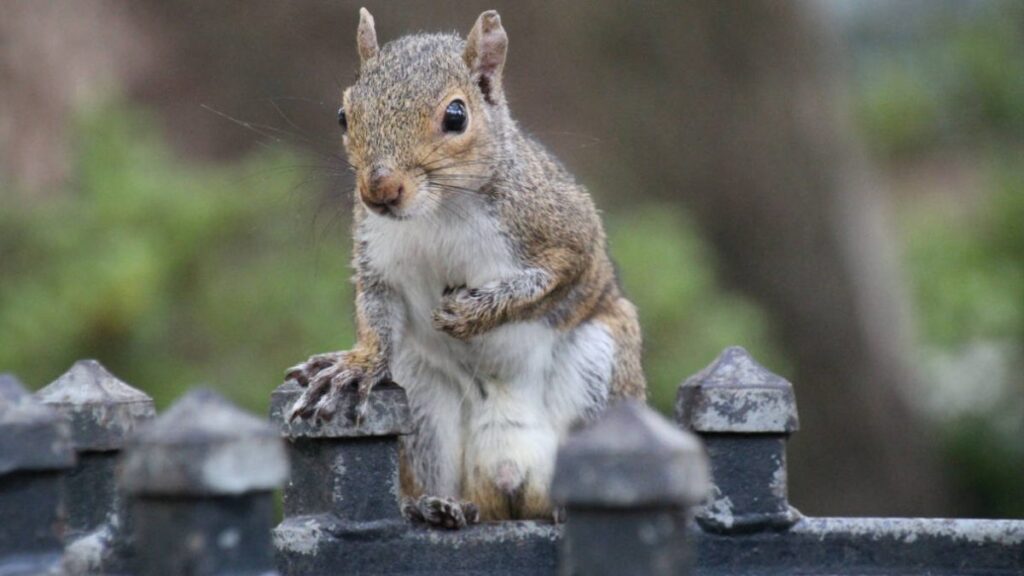
Understanding Why Squirrel Activity Changes with the Seasons
Squirrels are highly adaptable creatures, but their behaviour changes significantly throughout the year. Understanding these seasonal patterns is essential if you’re trying to manage their activity in your garden or home. During certain months, they may simply pass through without causing problems, while at other times they can become persistent and disruptive. Knowing when and why they behave differently helps you plan ahead and act appropriately. In cases where squirrels are causing damage or attempting to nest indoors, using humane squirrel traps can provide a safe way to deal with the problem before it escalates.
Spring: Nesting, Bark Damage and Early Warnings
In spring, squirrels become more active as they begin their breeding season. This is when they start looking for nesting locations and gathering materials such as leaves, twigs and even loft insulation. Gardens with dense shrubs, tree cover or easy access to roof spaces are particularly appealing. It’s common to see squirrels stripping bark from branches or moving along fences and roofs in search of suitable nesting areas. If they find their way into sheds or lofts, they can cause structural damage quickly, so spotting the signs early is important. Securing vulnerable spaces and trimming back branches that lead to the house can help reduce the risk of entry.
Summer: Feeding Young and Exploring New Territory
Summer is often quieter in terms of nuisance behaviour, but it still brings its challenges. With food sources readily available, squirrels spend most of their time foraging and feeding young from the spring litter. Your garden may become a feeding ground, particularly if you have bird feeders, fruit trees or vegetable patches. Juvenile squirrels are especially curious and are more likely to explore areas like open garages or poorly sealed outbuildings. It’s a good time to check for potential access points and reinforce any areas where young squirrels could squeeze through. Being proactive now prevents more serious problems later.
Autumn: Peak Activity and Persistent Intrusions
Autumn is when squirrel activity peaks. As natural food sources begin to decline, squirrels go into overdrive collecting and burying food to prepare for winter. This often leads to increased digging, chewed tree bark and a noticeable rise in garden disruption. If squirrels are already present in your area, autumn is usually when you’ll see them the most. Their drive to find shelter can also lead them indoors. If you hear movement in the loft or find gnawed materials, it’s best to act quickly. This is the ideal time to use traps if necessary, since the problem tends to get worse if left unmanaged.
Winter: Shelter, Quiet Activity and Hidden Damage
Although squirrels don’t hibernate in winter, they are far less visible. They stay close to their nests or other sheltered spaces, relying on food they’ve stored during autumn. If they’ve managed to enter your property, this is when the damage often continues unnoticed. Chewed wires, soiled insulation and damaged timbers are common signs that squirrels have taken up residence indoors. Carrying out regular checks of attics and roof spaces during the colder months is essential. Blocking up any access points once the area is clear can prevent them from returning in the future.
Knowing When to Act and What to Expect
Managing squirrel behaviour effectively comes down to understanding how the seasons affect their movements and motivations. By recognising these patterns, you can take appropriate steps to secure your garden and property at the right times of year. Whether it’s preventing access before nesting begins in spring or acting quickly during the busy foraging period in autumn, seasonal awareness makes a real difference. With a measured approach, it’s possible to enjoy the benefits of garden wildlife while keeping squirrel-related problems under control.