


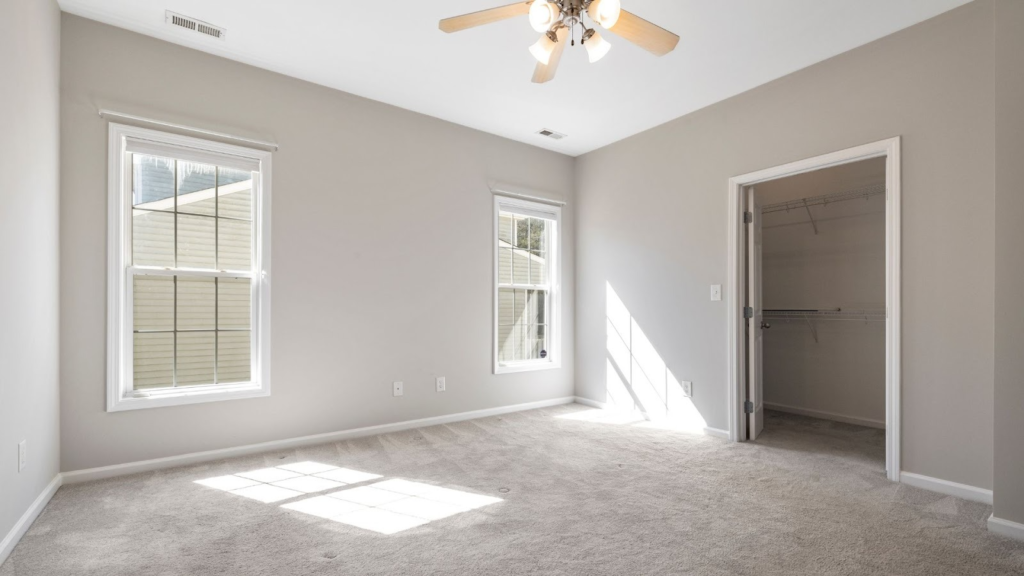
You don’t have to compromise on elegance just because you’re working with limited square footage. Sure, compact homes present their own hurdles, but here’s the thing: they’re also blank canvases for imaginative design thinking. What you put on your floors dramatically shifts how a room actually feels.
When you nail your rug selection, you’re doing more than layering in coziness. You’re actively reshaping what visitors see when they walk through your door, engineering an impression of openness where tight quarters once existed.
The Psychology Behind Visual Space Expansion with Area Rugs
Here’s something fascinating: your brain doesn’t simply observe a room, it constructs spatial meaning from color gradients, repeating motifs, and how freely your gaze moves across surfaces.
How Our Eyes Perceive Space Through Floor Treatments
Visual continuity can trick the mind into registering larger dimensions. When flooring creates uninterrupted pathways, the perception of extended space becomes immediate. Highlighting vertical elements and keeping walkways unobstructed further amplifies this effect. Neuroscience supports the idea that floor coverage influences how the eye scans a room and interprets boundaries.
Place area rugs so they maintain clean sightlines rather than dividing the space into fragments. By reducing visual breaks, you effectively guide the brain to interpret the environment as more expansive, resulting in a room that simply feels bigger and more open.
The Role of Color Temperature in Perceived Room Dimensions
Lighter shades bounce natural illumination around, pushing walls farther into the distance than physics would suggest. Cool palettes, think gentle blues, muted grays, naturally recede from viewers. Warmer shades? They march straight toward you, closing gaps.
Fiber composition amplifies this effect considerably. Reflective materials like viscose or silk-blend constructions scatter light beautifully, magnifying that sense of airiness that lighter colors already deliver.
Pattern Psychology: What Your Brain Sees First
Counterintuitively, bold-scale patterns can actually open up tight quarters by minimizing visual noise. Dense, intricate designs splinter your sight, fragmenting rooms into cramped sections. Patterns with clear directionality control eye movement, horizontal elements stretch narrow spaces wider, while vertical compositions elongate shorter dimensions.
Grasping these perceptual principles gives you the foundation, but translating theory into your actual floor plan requires precise measurements.
Best Rug Size for Small Room: The Ultimate Sizing Guide
Dimensions separate disappointingly cramped aesthetics from genuinely expanded visuals. This isn’t just about squeezing furniture onto fabric; it’s about achieving balanced proportions.
The 80/20 Rule for Small Space Rug Sizing
The best rug size for small room environments follows straightforward math: blanket approximately 80% of your floor, exposing a 20% perimeter. This framing technique paradoxically enlarges perception by establishing crisp boundaries. Undersized rugs birth disconnected “islands” that fragment square footage and psychologically compress it.
Common Sizing Mistakes That Shrink Your Space
Never disperse multiple tiny rugs throughout a single room, you’re carving your floor into isolated fragments. One properly proportioned statement piece unifies exponentially better. Another blunder? Floating all furniture completely off your rug. That disconnects seating clusters and squanders the rug’s anchoring capability.
Correct sizing builds your baseline, but strategic positioning determines whether that baseline genuinely expands what people perceive.
Rug Placement for Small Living Room: Strategic Positioning Techniques
Location rivals size in importance. How you position floor coverings establishes functional zones and preserves circulation without constructing actual walls.
The “Floating Furniture” Arrangement Method
The front-legs-on, back-legs-off approach works wonderfully for rug placement for small living room configurations. Arrange sofas and seating so front legs rest on fabric while rear legs sit on exposed flooring. This technique anchors groupings while showcasing perimeter floors.
NAHB research indicates efficient entryway flow saves 8-10 minutes weekly, otherwise lost navigating clutter. Living rooms follow identical logic; pathways matter tremendously.
Multi-Functional Space Rug Zoning
Many homeowners gravitate toward dual-purpose furnishings when working with constrained layouts. Rugs for small spaces support this adaptability by creating visual boundaries without adding physical partitions. Use one rug to define the primary living zone, then introduce a smaller accent piece to carve out a workspace or reading area.
Strategic placement maximizes the sense of openness, while the rug’s pattern, scale, and colour determine how effectively each zone takes shape. Thoughtful choices make even compact environments feel organized, flexible, and intentionally structured.
Carpets to Make Room Look Bigger: Design Elements That Matter
Size and location matter enormously, yet specific characteristics: color, pattern composition, and material ultimately dictate whether spaces expand or contract perceptually. These selections demand thoughtful attention.
Color Selection Strategies for Space Expansion
Light neutrals: cream tones, beige variations, whisper-soft grays, remain timeless selections for carpets to make a room look bigger because they gorgeously reflect illumination. Monochromatic approaches blur distinctions between floors and walls, generating seamless transitions. Cool-temperature palettes incorporating blues, greens, and lavenders naturally step backward visually, injecting depth into compact dimensions.
The Stripe Secret: Directional Pattern Placement
Horizontal striping visually broadens narrow rooms, whereas vertical arrangements elongate abbreviated spaces. Diagonal compositions introduce kinetic movement that guides eyes across entire floors, preventing fixation on cramped corners. Chevron and herringbone deliver sophisticated dimension without overpowering modest square footage.
Material and Texture Choices for Visual Lightness
Low-pile and flatweave constructions maintain streamlined profiles, avoiding visual heaviness. High-pile alternatives can succeed with lighter coloring, though they demand more coordination finesse. Natural fibers: jute, sisal, contribute organic texture minus weight, ideal for preserving breezy aesthetics.
Design selections establish stylistic direction, but truly understanding how to make a small room look bigger with rugs means coordinating furnishings masterfully.
Furniture Arrangement Hacks That Maximize Rug Impact
Even impeccably chosen rugs fail when furniture positioning contradicts space-expanding intentions. Coordinating floor treatments with furnishings creates cohesive, genuinely open-feeling environments.
The All-Legs-On vs. Front-Legs-Only Debate
Rooms under 150 square feet typically benefit from all-legs-on approaches, creating unified furniture clusters. Slightly larger compact spaces (150-200 square feet) thrive with front-legs-only positioning, maintaining connection while revealing more flooring. Factor in furniture mass too; heftier pieces require additional rug coverage for visual equilibrium.
Creating Conversation Areas That Open Up Space
Angle furnishings slightly on your rug instead of shoving everything flush against the walls. This seemingly contradictory strategy actually expands perception by introducing breathing room and intriguing sightlines. Maintain 12-18 inches between furniture backs and walls wherever feasible.
Intelligent furniture coordination completes your expansion blueprint, transforming abstract concepts into a livable, beautiful reality.
Final Thoughts on Expanding Small Spaces with Rugs
You don’t need contractors or five-figure budgets to transform tight quarters into visually generous spaces. Strategic rug choices, proper sizing, intelligent placement, and coordinated furniture positioning deliver measurable improvements through straightforward psychological and design principles.
Lock in that 80/20 sizing guideline, embrace lighter colors for maximum expansion potential, and orchestrate furniture arrangements amplifying your rug’s spatial impact. Begin by measuring accurately, evaluating your natural lighting conditions, and then selecting with confidence. When square footage is precious, making every inch perform matters. A lot.
FAQs on Small Space Rug Solutions
- What size rug makes a small room look bigger?
Select rugs covering roughly 80% of the floor area, maintaining consistent 10-18 inch borders. For 10×12 rooms, 8×10 rugs typically nail the sweet spot, generating framed expansion without overwhelming dimensions.
- Should small rooms have light or dark rugs?
Lighter rugs generally expand perception better through superior light reflection. That said, dark rugs can look stunning in well-illuminated rooms with pale walls, building dramatic contrast that adds depth rather than compressing space.
- Do striped rugs make a room look bigger?
Definitely, provided orientation matches your needs. Horizontal stripes broaden narrow rooms, vertical configurations lengthen abbreviated spaces. Select stripe width proportional to room dimensions; wider stripes suit moderately larger compact rooms.