


Recovering from a minor stroke involves significant challenges, but with the right support, individuals can regain much of their prior function and quality of life. In Beaumont, neurological physiotherapy plays a crucial role in this recovery process. Specializing in the rehabilitation of stroke patients, neurological physiotherapy Beaumont offers targeted interventions designed to restore mobility, improve coordination, and enhance cognitive functions that may have been affected. This form of therapy is essential for helping stroke survivors relearn skills critical to daily activities, utilizing tailored exercises and innovative techniques to maximize recovery and promote neurological health.
Balance and Coordination Training
Balance and coordination exercises are tailored to the patient’s needs. Examples include balancing on one leg, walking heel-to-toe, and using balance boards.
How to Perform One-Leg Stand Exercise:
Stand beside a stable chair or countertop for support. Raise one foot off the ground and stabilize your balance on the standing leg, engaging the core muscles to help stabilize the body. Hold this position for 20-30 seconds. Try closing the eyes or standing on an unstable surface, like a balance pad or pillow, to increase difficulty. Perform 3-4 sets on each leg twice a day. Regular practice of this exercise helps strengthen the stabilizing muscles surrounding the ankle, knee, and hip, enhancing overall balance and coordination.
Strengthening Exercises
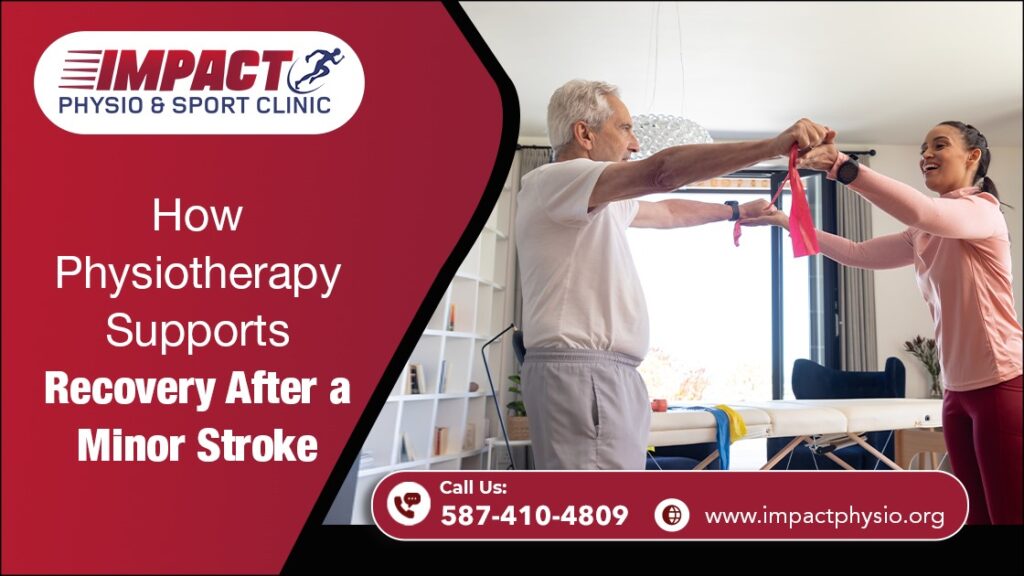
Strengthening exercises focus on the affected limbs to counteract weakness and improve function. Resistance training, weights or resistance bands, and body-weight exercises like squats and leg raises are commonly used.
How to Perform Resistance Band Exercises:
Fasten a resistance band to a stable fixture at shoulder height. Hold the other end of the band in one hand and stand with feet shoulder-width apart. Pull the band inward, ensuring the elbow stays near the body, then gradually return to the initial position. Do 2-3 sets of 10-15 repetitions for each arm twice daily. This activity enhances arm and upper body strength, enhancing overall functionality and movement.
Functional Training
Functional training involves practicing everyday tasks such as dressing, cooking, and using assistive devices. This approach helps patients regain independence and improve their quality of life.
How to Perform Sit-to-Stand Exercise:
Sit upright on a chair with both feet firmly planted on the floor and arms folded across the chest. Stand up by pushing through the heels and using the leg muscles, then slowly sit back down in a controlled manner. Perform 10-15 repetitions twice a day. This exercise strengthens the lower body muscles, particularly the quadriceps and glutes, essential for daily activities like getting out of a chair or bed.
Gait Training
Gait training may include treadmill walking, overground walking with assistance, and practicing different walking patterns. Therapists may use assistive devices like canes or walkers to support safe walking.
How to Perform Treadmill Walking Exercises:
Begin by standing on the treadmill with the support of the handrails. Set the treadmill slowly and start walking, focusing on maintaining a steady, even pace. Gradually increase the speed and duration as balance and strength improve. Use canes or walkers for additional support, with therapists guiding proper usage to ensure safety. Perform treadmill walking for 10-15 minutes once or twice a day. This exercise helps improve overall walking ability, balance, and coordination, reducing the risk of falls.
Cognitive Rehabilitation
Cognitive rehabilitation includes exercises and activities to improve memory, attention, problem-solving, and executive function. Examples include puzzles, memory games, and real-life problem-solving tasks.
How to Perform Memory Game Exercise:
Use a set of memory cards or a digital memory game application. Choose a deck of cards containing identical pairs, lay them face down, and flip over two cards at a time, trying to remember their positions and match the pairs. Continue until all pairs are found. Increase the number of cards as memory improves to enhance the challenge. Engage in memory games for 15-20 minutes, 3-4 times a week. Regular practice can significantly improve cognitive functions such as memory and attention.
Education and Support
Education involves teaching patients about the importance of a healthy lifestyle, recognizing stroke symptoms, and adhering to treatment plans. Support groups and counselling addresses emotional and psychological needs.
Healthy Lifestyle
Patients and caregivers are taught the importance of maintaining a balanced diet, involving in regular physical activity, and managing risk factors like hypertension, diabetes, and high cholesterol. They learn how these factors contribute to stroke risk and recovery.
Diet: Incorporate more fruits, vegetables, whole grains, lean proteins, and healthy fats into meals. Limit the intake of processed foods, salt, sugar, and saturated fats.
Exercise: Partake in at least 30 minutes of moderate, like walking, swimming, or cycling, most days of the week. Start with low-impact activities and gradually increase intensity as endurance improves.
Monitoring: Regularly check blood pressure, blood sugar, and cholesterol levels, and follow medical advice to keep these under control.
Stroke Symptoms
Patients and caregivers are educated to recognize symptoms of a stroke, such as abrupt numbness or weakness in the face, arm, or leg, finding difficult to speak, vision problems in one or both eyes, impaired walking, dizziness, lack of coordination, and severe headache with no apparent cause.
FAST Method: Use the FAST acronym to remember stroke symptoms
- F: Face drooping
- A: Arm weakness
- S: Speech difficulty
- T: Time to call emergency services immediately
Empowering Stroke Recovery Through Physiotherapy
In conclusion, physiotherapy offers essential support for individuals recovering from a minor stroke. It addresses a range of stroke symptoms through personalized rehabilitation plans. Impact Physiotherapy in Beaumont offers neurological physiotherapy, providing the utmost care that helps patients overcome stroke-related challenges. These services are crucial for improving mobility, enhancing cognitive functions, and helping individuals regain independence.
If you or someone you know is recovering from a stroke, consider the services of neurological physiotherapy in Beaumont at Impact Physiotherapy. Contact us today at www.impactphysio.org or call +1(587)-410-4809 to learn more about how their stroke recovery programs can help you regain function and enhance your quality of life.