


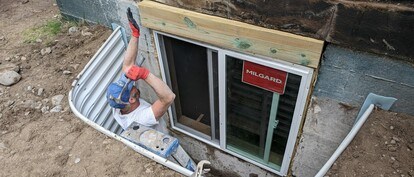
Basements are often underutilized, dark, and sometimes considered afterthoughts in home design. However, with the right enhancements, they can be transformed into bright, safe, and livable spaces. One of the most important additions to any finished or finished-to-be basement is the egress window—a feature that serves both functional and safety purposes.
While many people think of basement waterproofing or remodeling when they imagine basement upgrades, egress windows are a crucial and often legally required element. Whether you’re finishing a basement for living space, concerned about emergency exits, or trying to boost home value, this window type should be on your radar.
In this article, we’ll explore what an egress window is, why it’s vital for modern homes, how it contributes to your overall safety, and why it can be an important component of a wet basement solution.
What Is an Egress Window?
An egress window is a window specifically designed to provide a safe escape route in case of an emergency, such as a fire or flood. In most jurisdictions, building codes require egress windows in any basement living space—especially in bedrooms—so occupants can escape quickly and emergency responders can enter if needed.
To qualify as a true egress window, it must meet specific size and accessibility requirements defined by the International Residential Code (IRC):
- Minimum width of opening: 20 inches
- Minimum height of opening: 24 inches
- Minimum net clear opening: 5.7 square feet
- Maximum sill height from floor: 44 inches
These dimensions are meant to ensure an average adult can exit or enter through the window without obstruction.
Why Install an Egress Window?
1. Life-Saving Emergency Exit
The most compelling reason to install an egress window is safety. In the event of a fire, gas leak, or flood, traditional stairwells might be blocked or unsafe. An egress window offers an alternate escape route that can be the difference between life and death.
2. Legal Compliance
Most building codes require egress windows in basement bedrooms and living spaces. Without one, you may not legally be allowed to consider a basement room a bedroom or finished living area.
3. Natural Light and Ventilation
Basements are notorious for being dark and musty. An egress window brings in abundant natural light and fresh air, transforming your basement from a cave-like area into a bright, livable extension of your home.
4. Increased Home Value
Finishing a basement is one of the highest-return renovations a homeowner can make. Adding an egress window not only allows you to classify basement rooms as bedrooms but also makes the space more inviting and code-compliant, raising property value.
5. Insurance Benefits
Some home insurance companies offer discounts or added coverage when proper egress is installed in lower levels. It’s considered a risk-reducing feature.
Egress Windows and Wet Basement Issues
Egress windows aren’t just about safety—they’re also a vital part of a comprehensive wet basement solution. That’s because, when properly installed, they help:
- Prevent water intrusion with high-quality window wells and drainage systems
- Improve airflow, reducing humidity and mold growth
- Mitigate foundation wall pressure by allowing exterior drainage around the window well
Improperly installed egress windows, on the other hand, can be a common source of water leakage. That’s why it’s essential to approach this upgrade with both safety and waterproofing in mind.
Types of Egress Windows
There’s no one-size-fits-all when it comes to egress windows. The right type for your home will depend on your foundation, available space, and aesthetic goals. Here are the most common types:
1. Casement Windows
These crank-operated windows swing outward like a door and are ideal for narrow window wells due to their full opening clearance.
2. Sliding Windows
These horizontally sliding windows offer easy operation and are good for wider spaces. However, only one pane typically opens, so size calculations are essential.
3. Double-Hung Windows
These have two sashes that slide up and down. While common in traditional homes, they may not meet egress requirements unless they’re large enough to provide the necessary clear opening.
4. In-Swing Windows
As the name implies, these windows open inward. They’re especially useful in areas where an outward-swinging window would hit an obstacle.
Each of these can be designed with energy efficiency, UV protection, and even impact resistance in mind, depending on your climate and needs.
Components of a Proper Egress Window Installation
Installing an egress window is more involved than simply cutting a hole and inserting a window. A proper installation includes:
1. Excavation
The area around your foundation must be dug out to install the window and window well. This allows for drainage and wall opening access.
2. Cutting the Foundation
Specialized tools are used to cut through concrete or block walls. This requires precision and safety precautions.
3. Window Installation
A properly framed opening is prepared to ensure the window fits tightly and securely, with insulation and waterproof seals in place.
4. Window Well and Cover
A window well keeps earth away from the window, while a clear cover protects from rain, debris, and accidental falls. High-quality wells include built-in ladders for easy escape.
5. Drainage System
A drainage pipe or gravel base is installed beneath the window well to carry water away from the home—an essential feature of any wet basement solution.
Cutting corners during any of these steps can lead to water issues, code violations, or unsafe conditions. That’s why many homeowners choose professional contractors with experience in both egress and basement waterproofing.
Common Mistakes to Avoid
- Incorrect Window Size
Not all windows qualify as egress. Always measure the net clear opening—not just the full frame. - Poor Drainage
A window well without drainage is a recipe for flooding. Ensure there’s a way for water to escape. - Inadequate Sealing
Improper sealing can cause air leaks and water intrusion. - Non-Code-Compliant Installation
If you’re finishing a basement, a non-compliant egress window can prevent permits or cause issues during a home sale. - DIY Without Experience
Cutting into a foundation is not a beginner-level project. Mistakes can lead to structural damage or moisture problems.
How Egress Windows Fit Into Basement Renovations
Whether you’re planning a home gym, guest room, or full apartment suite in your basement, installing an egress window is usually one of the first—and most important—steps.
Beyond meeting building codes, it transforms how the basement feels. Adding daylight and a view to the outside can make the space more comfortable, usable, and even enjoyable. It also enhances overall air circulation, reducing the risk of a damp or musty environment.
In combination with sump pumps, interior drain tiles, or vapor barriers, an egress window is part of a full wet basement solution that keeps your home dry, safe, and functional.
Maintenance and Longevity
Once installed, egress windows require minimal upkeep, but a few maintenance steps can extend their lifespan:
- Clean debris from the window well regularly
- Check the drain system to ensure it’s not clogged
- Inspect seals and caulking for cracks or wear
- Test the window operation to ensure it opens smoothly
If you live in an area with heavy rain or snow, consider reinforcing the well cover and checking drainage seasonally to prevent pooling water.
Cost and Return on Investment
The average cost of installing an egress window ranges between $3,000 and $6,000, depending on:
- Window type and size
- Foundation material
- Required excavation depth
- Drainage needs
- Finishing work (interior trim, insulation, etc.)
While it’s a significant investment, the return is substantial. Homes with legal basement bedrooms or finished lower levels see increased appraised value, higher resale potential, and more livable square footage.
In many cases, the upgrade can pay for itself—especially when part of a larger waterproofing and finishing plan.
Final Thoughts
An egress window is more than just a safety feature—it’s a smart upgrade that transforms your basement into a brighter, safer, and more valuable part of your home. From increasing natural light and ventilation to serving as a reliable wet basement solution, the benefits of this upgrade are numerous.
If you’re planning to finish your basement, meet building code requirements, or simply want peace of mind knowing your home is safer and drier, installing an egress window is an excellent choice. And when properly integrated with drainage systems and waterproofing solutions, it becomes an essential line of defense against moisture, flooding, and the unexpected.
Whether you’re thinking of DIY or hiring professionals, remember that a well-installed egress window is an investment in your home’s safety, value, and comfort for years to come.