
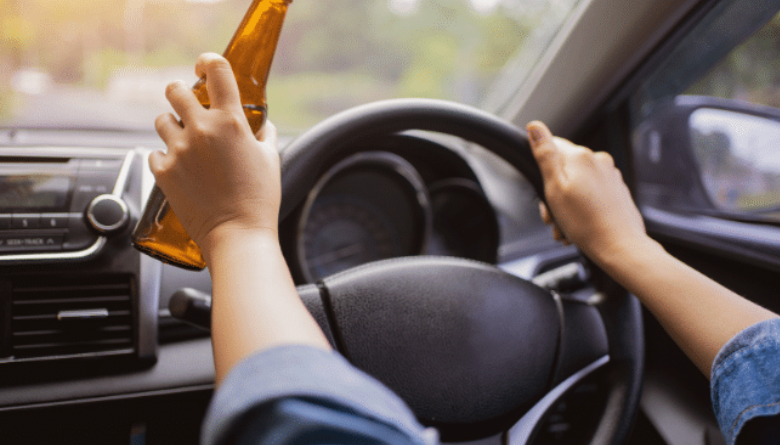
According to recent Department for Transport statistics, drink-driving remains a significant problem in the UK, with an estimated 300 deaths in Great Britain in 2022 caused by collisions involving at least one driver over the legal alcohol limit, marking the highest level of drink-drive fatalities since 2009.
Rising Fatalities Since 2009
The rise in drink-drive fatalities since 2009 is alarming, with the 2022 figures showing a concerning trend. The central estimate of 300 deaths in 2022 represents a 15% increase from the previous year and is the highest level in 13 years. This upward trajectory is particularly troubling given the overall decline in drink-drive casualties since record-keeping began in 1979. Several factors may contribute to this rise:
- Post-pandemic behavioral changes, with some studies suggesting heavier drinking among those who consume above government guidelines.
- Reduced police enforcement, with only 37% of motorists involved in collisions being breathalyzed in 2022, compared to 53% a decade earlier.
- A persistent “hard core” of drivers, especially men, who continue to drink and drive despite awareness campaigns.
- The legal alcohol limit in England and Wales remains the highest in Europe, potentially contributing to more “lethal but legal” drivers on the roads.
Impact of COVID-19 on Trends
The COVID-19 pandemic significantly impacted drink-driving trends in the UK, with initial decreases followed by concerning rebounds:
- During lockdowns in 2020, drink-drive casualties fell by 17% compared to 2019, likely due to reduced traffic and closed pubs.
- However, as restrictions eased, drink-driving incidents rose again. By 2022, an estimated 6,800 people were killed or injured in drink-drive collisions, a 1% increase from 2021.
- The pandemic may have altered drinking patterns, with some studies showing young adults reduced alcohol consumption during lockdowns. However, there are concerns that high-risk drinkers may have intensified their habits.
These fluctuations highlight the complex relationship between societal changes and drink-driving behaviors, emphasizing the need for continued monitoring and targeted interventions as the UK adapts to post-pandemic life.
Male Drivers and Age Groups
Male drivers are significantly overrepresented in drink-driving incidents in the UK, with 79% of drink-drive collisions involving male drivers or riders over the legal alcohol limit. This stark gender disparity is even more pronounced when compared to overall road collision data, where males account for 70% of all collisions.
Age also plays a crucial role in drink-driving behavior:
- Drivers aged 25-59 account for 64% of drink-drive casualties.
- Young drivers aged 16-24 represent 24% of drink-drive casualties, disproportionately high compared to their representation in overall road collisions.
- Older drivers (60+) are less likely to be involved in drink-drive incidents, accounting for only 8% of casualties.
- Among women, drink-driving is most frequent in the 40-49 age group and doesn’t decrease with age.
These statistics highlight the need for targeted interventions, particularly for male drivers and specific age groups, to address the persistent problem of drink-driving in the UK.
Effectiveness of Legal Penalties
The UK’s legal penalties for drink-driving are among the most stringent in Europe, designed to serve as a strong deterrent against this dangerous behavior. However, the effectiveness of these penalties is closely tied to the perceived and actual level of enforcement.
For first-time offenders, the consequences are severe. A drink-driving conviction results in a mandatory driving disqualification for at least 12 months, an unlimited fine, and the possibility of up to six months in prison. These penalties can have long-lasting impacts on an individual’s life, including potential job loss, difficulty finding future employment, and increased car insurance costs.
Despite these harsh penalties, their deterrent effect has been somewhat undermined by declining enforcement. Between 2011/12 and 2015/16, there was a 27% reduction in dedicated Roads Policing Officers and a 25% decrease in breath tests conducted. This reduction in enforcement may contribute to the perception that the chances of being caught are low, potentially diminishing the effectiveness of the penalties.
The effectiveness of legal penalties is further complicated by variations in enforcement across the UK. Some police forces convict up to 10 times more drug drivers than others, and in some areas, patrols are limited to a single drug testing kit. This inconsistency in enforcement may lead to geographical disparities in the deterrent effect of drink-driving laws.
To enhance the effectiveness of legal penalties, experts suggest that increased and more consistent enforcement across the country is crucial. The perceived risk of being caught is often more influential in deterring drink-driving than the severity of the punishment itself. Therefore, maintaining a high level of visible enforcement through regular breath testing and police presence on roads could significantly bolster the impact of existing penalties.
Additionally, some argue that lowering the UK’s blood alcohol concentration (BAC) limit from 0.08 to 0.05 could further reduce alcohol-related deaths and injuries on the roads. This change, combined with robust enforcement, could potentially enhance the overall effectiveness of drink-driving penalties in the UK.
Role of Repeat Offenders
Repeat offenders play a significant role in the persistent problem of drink-driving in the UK, with alarming statistics highlighting the scale of recidivism. According to data from the Driver and Vehicle Licensing Agency (DVLA), 5,181 drivers were caught drink-driving multiple times over a four-year period, including 4,879 caught twice, 275 caught three times, and one driver caught six times. This pattern of repeat offending underscores the challenges in deterring certain individuals from engaging in this dangerous behavior.
The consequences for repeat offenders are more severe than for first-time offenders. If caught drink-driving twice within a 10-year period, offenders face a minimum driving ban of three years, compared to the one-year ban for first offenses. They may also receive higher fines, longer prison sentences, and mandatory attendance at rehabilitation courses. Despite these harsher penalties, the rate of reoffending remains concerning, with 24% of drug driving offenders having previous drink or drug driving convictions.
The issue of repeat offending is particularly problematic among high-risk offenders (HROs). These individuals, who have been disqualified twice for drink-driving offenses, have a reoffending rate of 30%. This high rate of recidivism suggests that current penalties and rehabilitation efforts may be insufficient for this group of offenders.
To address the issue of repeat offenders, some experts and road safety organizations are calling for more stringent measures. One proposed solution is the mandatory use of alcohol interlocks (alcolocks) for repeat offenders. These devices, which prevent a vehicle from starting unless the driver passes a breath test, are already used in several European countries and could potentially reduce reoffending rates.
The impact of repeat offenders extends beyond their own safety. Ten repeat drug drive offenders were involved in fatal accidents over an 11-year period, highlighting the grave consequences of recidivism. This statistic underscores the urgent need for more effective strategies to prevent repeat offenses and protect public safety.
Addressing the issue of repeat offenders is crucial in reducing overall drink-driving incidents in the UK. While current legal penalties are severe, the high rate of recidivism suggests that a more comprehensive approach, combining stricter enforcement, technological solutions like alcolocks, and improved rehabilitation programs, may be necessary to effectively tackle this persistent problem.
Shift in Enforcement Priorities
The UK has experienced a significant shift in enforcement priorities for drink-driving over the past decade, with concerning implications for road safety. Police forces across the country have faced substantial budget cuts, leading to a dramatic reduction in resources allocated to traffic enforcement. This trend has resulted in a 63% decrease in drink-driving enforcement levels since 2009, raising questions about the effectiveness of deterrence efforts.
The decline in enforcement has been accompanied by a perception among drivers that they are less likely to be caught driving under the influence. This shift in public attitude is particularly worrying, as the perceived risk of detection has historically been a crucial factor in deterring drink-driving behavior. The reduced police presence on roads not only affects drink-driving detection but also impacts overall road safety, with studies showing a close association between fewer officers on patrol and increased road fatalities.
In response to these challenges, there have been calls for a comprehensive review of the UK’s drink-driving prevention system. Recommendations include granting police forces new powers to immediately disqualify drivers caught over the limit at the roadside, a measure supported by one-third of British motorists. Currently, only courts can impose driving bans, allowing offenders to continue driving until their court date.
Another proposed change is the introduction of mandatory breath testing powers for police, which would allow for more systematic and widespread screening of drivers. This approach, combined with the deployment of Mobile Evidential Breath Testing Equipment, could significantly streamline the enforcement process and reduce delays in testing samples.
However, the shift in enforcement priorities is not solely about increasing police powers or presence. There’s a growing recognition of the need for a more holistic approach to tackling drink-driving. This includes addressing underlying issues such as mental health and alcohol dependency among offenders. Specialized rehabilitation courses for individuals with these challenges could potentially reduce recidivism rates and improve overall road safety.
The government has pledged to “look at” drink-driving rules in light of the increasing number of road deaths. This review could potentially lead to major changes in driving laws, including the consideration of lowering the drink-drive limit in England and Wales to align with most other European countries.
As the UK grapples with these enforcement challenges, it’s clear that a multi-faceted approach combining enhanced police powers, technological solutions, and targeted interventions for high-risk groups will be necessary to effectively combat drink-driving and improve road safety in the coming years.
Read Also: make1m.com


