


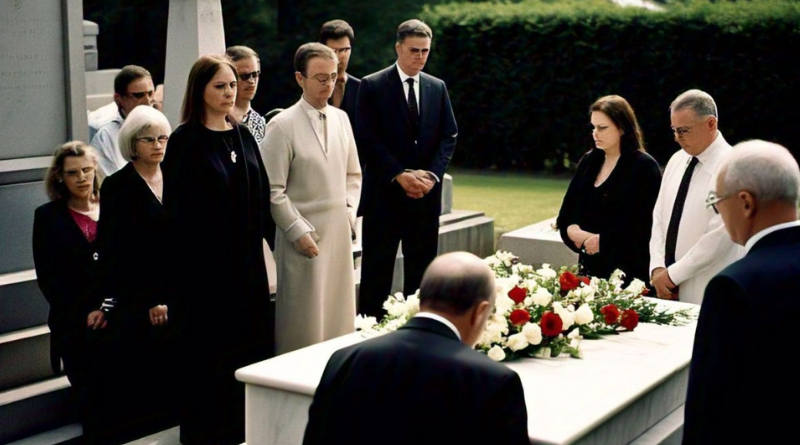
Cremation and burial are two primary options for final disposition, each with distinct advantages and considerations. Cremation is generally more cost-effective, offering families greater flexibility in memorialization and environmental impact.
Cost Comparison by UK Region
The cost of funerals in the UK varies significantly by region, with notable differences between urban and rural areas. Greater London consistently ranks as the most expensive region for both cremation and burial services. In contrast, Northern Ireland offers the most affordable funeral services in the UK. The East and West Midlands, along with Wales, also tend to have lower-than-average funeral costs. To give a specific example, Simple Send-offs a funeral director near Bromborough in Wirral charges only £1,495 for a direct cremation, now let’s compare this to other regions.
Breaking down the regional differences:
- South East England follows London in expense, with average funeral costs at £4,527 and burial costs at £5,878.
- South West England shows a more modest difference between cremation and burial, with average funeral costs at £4,349 and burial at £4,438.
- East Anglia presents a middle ground, with average funeral costs of £4,032.
The disparity in costs can be attributed to several factors:
- Land scarcity in urban areas, particularly London, driving up burial plot prices.
- Higher operational costs for funeral homes in metropolitan regions.
- Regional variations in crematorium fees and services.
While the average cost of a basic cremation funeral in the UK is £3,795, direct cremation offers a more affordable alternative at an average cost of £1,498. This option has gained popularity, especially in regions with higher traditional funeral costs.
The total cost of dying, which includes funeral fees, professional fees, and send-off costs, averages £9,658 across the UK. This figure has risen by 5% from the previous year, outpacing inflation and putting financial pressure on families, particularly in high-cost regions. To manage these regional cost variations, many people are turning to funeral plans or considering alternative options like direct cremation, which can help mitigate the financial burden associated with end-of-life arrangements in more expensive areas of the UK.
Cultural Attitudes Towards Cremation
Cultural attitudes towards cremation vary widely across the globe, reflecting diverse religious beliefs, societal norms, and historical traditions. In Hindu culture, cremation is viewed as a spiritual release, facilitating the soul’s journey to the afterlife. This practice is deeply ingrained in Indian society, where cremation is the traditional method of final disposition.
In contrast, many Western cultures have historically favored burial, influenced by Christian beliefs. However, attitudes are shifting, with cremation becoming increasingly accepted and popular in countries like the United States. This change is driven by factors such as cost-effectiveness, environmental concerns, and evolving religious perspectives.
Japanese culture presents a unique approach to cremation. In Japan, cremation is not only common but often involves a ritual where family members use chopsticks to transfer the deceased’s bones from the ashes to an urn, a practice known as “kotsuage.” This ceremony reflects the Japanese emphasis on family bonds and respect for ancestors.
Ancient Greek and Roman civilizations believed that cremation released the spirit from the body, allowing it to proceed to the afterlife. This historical perspective has influenced Western attitudes towards cremation, contributing to its growing acceptance in modern times.
In some cultures, cremation is seen as the highest form of honor, a respectful way to commemorate a loved one’s life. This view is particularly prevalent in Buddhist traditions, where cremation is often preferred due to the belief in reincarnation and the impermanence of the physical body.
Cultural attitudes also influence the timing and manner of cremation. For instance, in Tibetan Buddhist sky burials, the body is left exposed to the elements and birds of prey, a practice rooted in the belief of returning the body to nature. While not technically cremation, this practice highlights the diverse ways cultures approach the disposal of human remains.
It’s important to note that even within cultures where cremation is common, individual preferences may vary. Factors such as personal beliefs, family traditions, and environmental considerations all play a role in shaping attitudes towards cremation. As societies become more globalized and multicultural, these perspectives continue to evolve, leading to a more diverse range of end-of-life practices worldwide.
Preferences and Motivations
Cremation has become the predominant choice for final disposition in the UK, with a significant majority of people opting for this method over burial. Approximately 71% of UK residents prefer cremation, while only about 15-25% choose burial. This trend reflects a substantial shift in attitudes towards end-of-life practices over the past few decades.
Several factors contribute to the growing preference for cremation:
- Cost-effectiveness: Cremation is generally more affordable than burial, making it an attractive option for many families facing rising funeral expenses.
- Flexibility and personalization: Cremation offers more flexibility in terms of memorial services and final resting places. Families can choose to scatter ashes in meaningful locations, keep them in urns, or transform them into memorial jewelry or art.
- Environmental concerns: Many people perceive cremation as a more environmentally friendly option compared to traditional burial, which requires more land use and resources. However, green burial options are also gaining traction.
- Changing religious attitudes: While some religions have traditionally favored burial, many are becoming more accepting of cremation.
- Simplicity and convenience: Cremation is often viewed as a simpler process, requiring less planning and fewer decisions during an already stressful time.
- Space constraints: In urban areas where burial plots may be scarce or expensive, cremation provides a practical alternative.
- Demographic shifts: Women are slightly more likely than men to prefer cremation, while men are more likely not to have a preference.
Despite the clear preference for cremation, individual choices are often influenced by personal beliefs, cultural backgrounds, and family traditions. The preference for cremation is expected to continue growing, with projections suggesting that cremation rates in the UK could reach up to 80% in the coming years.
Urban Burial Space Crisis
The issue of overcrowded cemeteries has become increasingly prevalent in urban areas across the UK and many parts of the world. This problem stems from a combination of factors, including population growth, limited land availability, and traditional burial practices.
In the UK, nearly half of England’s cemeteries are expected to run out of space within 20 years, with a quarter reaching capacity within a decade. The situation is particularly acute in London, where some boroughs have already ceased providing burial services due to lack of space.
This shortage of burial space has significant implications for communities:
- Forced relocation: Families may need to travel far from their communities to bury or visit their loved ones.
- Rising costs: As available land becomes scarcer, the cost of burial plots in urban areas is likely to increase.
- Environmental concerns: Overcrowded cemeteries can pose environmental risks, particularly to groundwater.
- Cultural and religious impacts: The shortage of burial space can be particularly challenging for religious communities that traditionally prefer burial over cremation.
To address this crisis, various solutions are being explored and implemented:
- Grave reuse: The City of London Cemetery & Crematorium has pioneered a grave reuse policy, allowing burial space to be offered indefinitely.
- Innovative designs: Israel has approved the creation of multi-storey underground burial tunnels to maximize space.
- Alternative methods: Some regions are exploring “green cremation” or resomation as environmentally friendly alternatives.
- Urban planning integration: Cemeteries could serve dual purposes as public open spaces.
- Legislation reform: Updating planning laws and burial legislation to allow for more flexible use of existing burial grounds.
As urban populations continue to grow, finding sustainable solutions to the cemetery space crunch will remain a critical challenge.
Religious Perspectives on Disposition
Religious beliefs play a significant role in shaping attitudes towards cremation and burial practices worldwide. Different faiths have varying perspectives on the treatment of the deceased.
- Hinduism: Cremation facilitates the soul’s release and aids in reincarnation.
- Buddhism: Cremation emphasizes the impermanence of the physical form.
- Sikhism: Traditionally prefers cremation but permits burial under certain circumstances.
- Islam: Prohibits cremation, requiring burial for belief in physical resurrection.
- Judaism: Opposes cremation in Orthodox and Conservative movements, though Reform Jews are more accepting.
- Christianity: Varies widely, with Catholicism permitting cremation but preferring burial, and Protestant denominations generally more accepting of cremation.
Accommodating diverse religious practices in areas facing burial space shortages can be challenging. Multi-faith cemeteries or dedicated sections within existing cemeteries are some solutions being implemented. This ongoing dialogue influences individual choices and broader societal approaches to death and remembrance.
Summary
Cremation has become the preferred choice for final disposition in many regions due to its affordability, flexibility, and environmental benefits.
Costs for cremation and burial vary significantly by location, with urban areas like London being the most expensive. Cultural and religious attitudes play a significant role in shaping preferences, with cremation gaining acceptance in many traditions.
Meanwhile, urban areas face challenges with burial space shortages, prompting innovative solutions like grave reuse and alternative methods. As societal attitudes evolve, cremation rates are expected to rise further, reflecting changes in cost considerations, environmental priorities, and personal beliefs.