


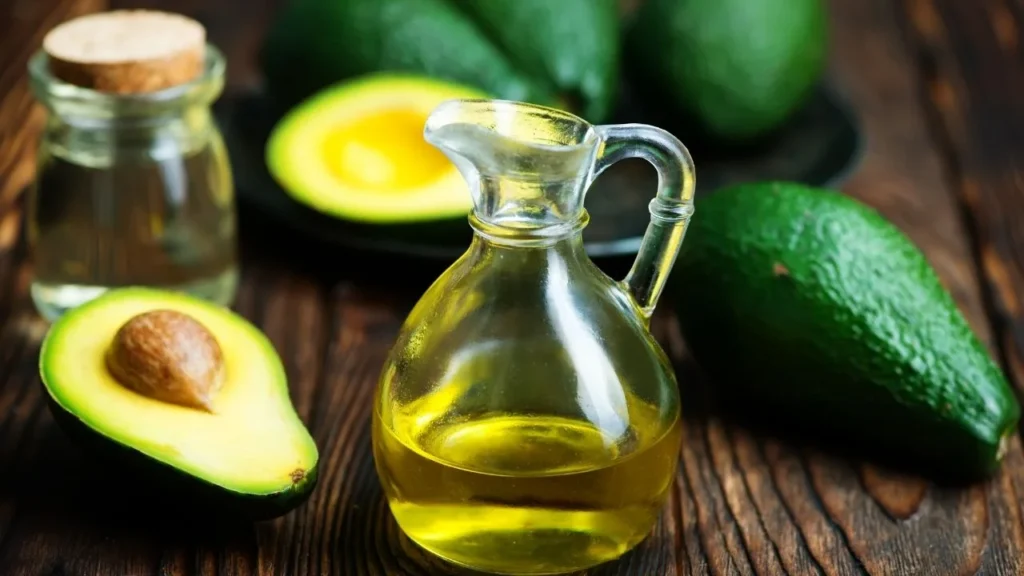
Introduction to the Shea Butter and Avocado Oil Industry;
The beauty and wellness industry is evolving rapidly, with natural ingredients rising to the forefront. Among these gems are shea butter and avocado oil—two powerhouse products that have captured the hearts of consumers worldwide. Both boast incredible benefits for skin and hair, making them hot commodities in markets ranging from cosmetics to culinary delights.
As you consider diving into this thriving sector, you’ll discover a wealth of opportunities waiting for entrepreneurs like you. Whether you’re drawn to the creamy richness of shea butter or the nourishing qualities of avocado oil, understanding your options is key to setting up a successful business. Navigating this industry can be both exciting and daunting. From production methods to marketing strategies, several essential factors will shape your journey. Are you ready to explore how you can carve out your niche in this lucrative market? Let’s dive into what it takes to turn passion into profit!
Benefits and Uses of Shea Butter and Avocado Oil;
Shea butter and avocado oil are powerhouses in the beauty and wellness world. They both boast incredible moisturizing properties, making them ideal for dry skin.
Shea butter is rich in vitamins A and E, which promote healthy skin cells. It’s often used to soothe eczema or dermatitis due to its anti-inflammatory qualities. Plus, it offers a natural sunblock effect. On the other hand, avocado oil penetrates deeply into the skin. Its high fatty acid content helps restore elasticity and combat signs of aging. This makes it a popular choice for hair treatments as well.Learning how to start a shea butter business production requires understanding raw material sourcing, machinery, and market demand.
Both products have culinary uses too! Avocado oil can elevate your dishes with its buttery flavor while providing heart-healthy fats. Shea butter may be used in cooking but requires careful sourcing to ensure purity. Whether you’re formulating skincare products or creating gourmet recipes, these ingredients offer versatility that appeals to many consumers.
Production Methods: Shea Butter vs. Avocado Oil
Shea butter and avocado oil have distinct production methods that greatly influence their quality and characteristics. Shea butter and avocado oil are two popular ingredients in the beauty and skincare industry, known for their moisturizing and nourishing properties. However, when it comes to starting a business centered around these products, it is important to understand the production methods involved in order to make an informed decision.
Production of Shea Butter:
Shea butter is derived from the nuts of the shea tree, which grows in West Africa. The process of making shea butter involves harvesting the nuts, cracking them open, and then roasting them. This step is crucial as it helps to release the oils within the nuts. Once roasted, the nuts are pounded into a paste using traditional tools or modern machinery.
The paste is then kneaded with water until the oils separate from it. The oil is then heated and filtered multiple times to remove any impurities before being left to cool and solidify into its final form – shea butter. This process can vary slightly depending on whether traditional or modern methods are used, but overall remains similar.
Production of Avocado Oil:
Avocado oil, on the other hand, is extracted from ripe avocados through mechanical pressing or solvent extraction methods. In mechanical pressing, whole avocados are crushed under high pressure to release their oils. The resulting mixture is then separated using centrifugal force into pure avocado oil and pulp.
Solvent extraction involves using chemical solvents like hexane or ethanol to extract avocado oil from mashed avocado pulp. This method results in a higher yield of oil compared to mechanical pressing but may leave behind traces of chemicals that require further processing steps.
Quality Control:
Both shea butter and avocado oil production involve various stages where quality control measures need to be implemented. For shea butter, this includes ensuring proper roasting temperatures and filtering out impurities during processing. Similarly, for avocado oil production, strict quality control measures must be taken during both mechanical pressing and solvent extraction processes.
Storage and Preservation:
Both shea butter and avocado oil are susceptible to oxidation, which can result in rancidity. Therefore, proper storage and preservation methods such as using airtight containers and storing in cool, dark places must be followed to maintain their quality.
While the production methods for shea butter and avocado oil may differ, both require careful attention to detail and strict quality control measures to ensure a high-quality end product. As a business owner, it is important to understand these processes in order to make informed decisions about which ingredient best suits your business goals.
Legal Considerations for Starting a Business in this Industry;
Starting a shea butter or avocado oil business requires navigating various legal landscapes. Understanding regulations is crucial to avoid costly mistakes. The avocado oil business process involves careful fruit selection, cold pressing, and filtration to ensure premium-quality oil production.
First, familiarize yourself with food safety and cosmetic regulations if you plan to sell products for personal care. The FDA has specific guidelines that must be adhered to in the United States. Next, consider intellectual property laws. Protecting your unique branding or product formulations can give you an edge in this competitive market.
Don’t overlook local business licensing requirements. Each state may have different rules regarding permits and registrations. Import/export laws also come into play if sourcing ingredients from other countries. Make sure to comply with customs regulations and tariffs.
Consulting a legal expert specializing in small businesses can provide invaluable guidance as you embark on this venture. Proper preparation now will set the foundation for long-term success later on.
Marketing Strategies for Your Business;
Effective marketing is crucial for standing out in the crowded shea butter and avocado oil market. Start by defining your target audience. Understanding their needs and preferences will guide your approach.
Invest in a strong online presence. Create an engaging website that showcases your products clearly. Use high-quality images to highlight the texture and benefits of your offerings. Social media platforms are powerful tools for connecting with potential customers. Share informative content, such as DIY recipes or skincare tips using your products. This builds trust and establishes you as an authority in the industry.
Don’t underestimate influencer partnerships. Collaborate with beauty or wellness influencers who resonate with your brand values to reach wider audiences.Consider email marketing campaigns to keep customers informed about new launches or special promotions. Personalize these messages to enhance customer relationships, turning one-time buyers into loyal supporters of your brand.
Pricing and Profit Margins: How to Determine Your Product’s Value
Determining the price of your product is a crucial aspect of running a successful shea butter or avocado oil business. It not only affects your profitability but also plays a significant role in how your products are perceived by customers. Setting the right price requires careful consideration and understanding of various factors, including production costs, market demand, and competition.
- One essential factor in determining pricing is understanding your profit margins. Profit margin refers to the amount of profit you make for each unit sold after deducting all costs associated with producing, marketing, and selling the product. It is typically expressed as a percentage of the selling price.
- To calculate your profit margin, you need to first determine your total production costs per unit. This includes all direct costs such as raw materials, labor, packaging, and indirect costs like overhead expenses (e.g., rent, utilities). Once you have an accurate estimation of your total production costs per unit, you can then subtract it from the selling price to determine your gross profit. Dividing this gross profit by the selling price will give you the profit margin percentage.
- Understanding your profit margin is crucial as it helps you set realistic goals for profitability while ensuring that your prices cover all necessary expenses. It also gives you an idea of how much flexibility you have in adjusting prices without significantly affecting profits.
- Apart from knowing your own production costs and desired profits, it is essential to consider market demand when setting prices. Conducting market research can help identify consumer preferences and willingness to pay for certain products. You can then use this information to adjust prices accordingly.
- Additionally, analyzing competitors’ pricing strategies can also provide valuable insights into what customers perceive as fair value for similar products. While undercutting competitors may seem like a good way to attract customers initially, it may result in lower profits in the long run if it does not cover production costs adequately.
Setting the right price for your shea butter or avocado oil products requires careful consideration of various factors such as production costs, market demand, competition, and target audience. Understanding your profit margins is crucial in ensuring profitability while also providing room for adjustments based on market conditions. It may take some trial and error to find the perfect balance, but with thorough research and analysis, you can determine the best pricing strategy for your business.
Quality Control and Product Development;
Quality control is the backbone of any successful business, especially in the cosmetic and food industries. For shea butter and avocado oil, maintaining high standards ensures customer satisfaction.
Start by establishing clear guidelines for sourcing raw materials. Traceability is crucial; know where your ingredients come from. This transparency builds trust with consumers. Regular testing should be part of your routine. Evaluate the physical properties such as texture and scent, alongside microbial safety tests to ensure product integrity.
Product development doesn’t stop after launch. Gather feedback consistently to refine your offerings. Engaging customers through surveys or social media can unveil insights that drive innovation. Stay updated on industry trends too. This knowledge allows you to adapt quickly and introduce new products that meet evolving consumer needs while keeping quality at the forefront of every decision made in your business journey.
Challenges and Common Pitfalls in the Industry;
The business of producing and selling shea butter or avocado oil may seem like a lucrative and rewarding venture, but it also comes with its fair share of challenges and common pitfalls. As with any industry, there are certain obstacles that entrepreneurs must navigate in order to achieve success. In this section, we will discuss some of the key challenges that individuals may face when starting their own shea butter or avocado oil business, as well as common pitfalls to avoid.
- One of the main challenges in this industry is competition. With the growing popularity of natural and organic skincare products, more and more companies are entering the market for shea butter and avocado oil. This means that new businesses must find ways to differentiate themselves from established brands and stand out among the competition. Additionally, there is a constant need for innovation in order to keep up with evolving consumer preferences.
- Another challenge is sourcing high-quality ingredients. Shea butter and avocado oil are both derived from natural sources, making it crucial for businesses to have access to reliable suppliers who can provide consistently high-quality raw materials. This can be especially difficult for small-scale producers who may not have established relationships with suppliers or face barriers such as language barriers or lack of infrastructure in sourcing countries.
- In addition to external factors, entrepreneurs must also be prepared for internal challenges within their own organizations. Managing cash flow and finances can be a major obstacle for new businesses, particularly during the initial stages when revenue streams may still be limited while operational costs continue to accumulate.
- Common pitfalls that entrepreneurs should avoid include underestimating start-up costs, failing to conduct thorough market research before launching products or services, poor supply chain management leading to inconsistent product quality or stock availability issues, failure to comply with industry regulations and certifications, and inadequate customer service.
It is important for entrepreneurs in this industry to anticipate these challenges and pitfalls and have a solid plan in place to address them. This may include conducting thorough research, creating a detailed business plan, building strong relationships with suppliers, implementing effective marketing strategies, and closely monitoring finances. By being prepared for potential obstacles and avoiding common pitfalls, individuals can increase their chances of success in the competitive shea butter or avocado oil market.
Conclusion:
Embarking on a journey in the shea butter or avocado oil industry can be both rewarding and challenging. Start by understanding your market. Research potential customers and their preferences to carve out your niche. This insight will guide your product development.
Prioritize quality from day one. Customers are willing to pay more for premium products, so invest in sourcing high-quality ingredients and maintaining strict quality control measures throughout production. Build strong relationships with suppliers. Trustworthy partners ensure consistency in supply and pricing stability, which is vital for long-term success. Don’t hesitate to negotiate terms that work for both parties; it’s essential to cultivate these connections.
Pricing needs careful consideration too—factor in production costs while also analyzing competitors’ prices within the marketplace. A well-thought-out pricing strategy can help establish perceived value among consumers. Every step matters on this entrepreneurial path—stay informed, remain passionate about what you create, and watch how far commitment takes you.