


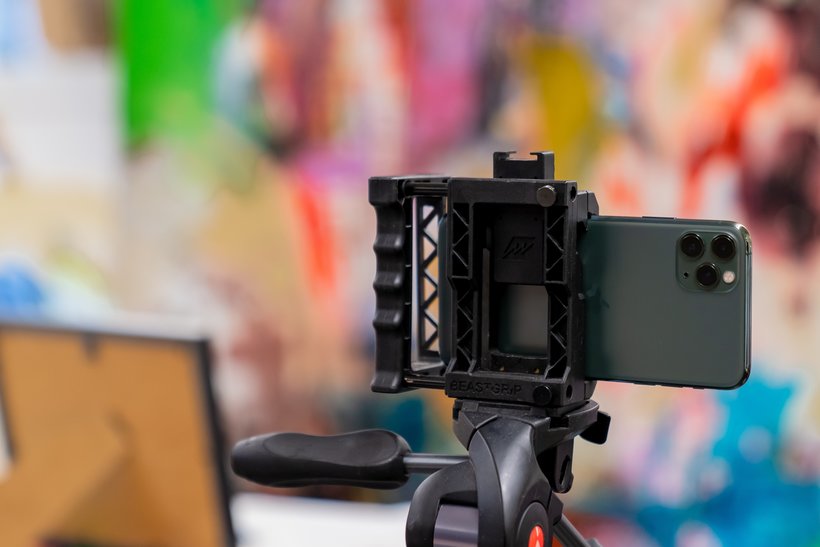
Could a camera and a creative vision become the start of your future career?
Introduction
Video content has become one of the most influential forms of communication in the digital age. From YouTube creators and social media campaigns to documentaries and corporate promotions, audiences everywhere are consuming more video than ever before. Businesses, brands, and individuals now rely heavily on visual storytelling to connect with audiences and stay competitive online.
Australia’s screen and production industry continues to create strong opportunities for skilled creatives. According to Screen Australia, more than 42,000 Australians were employed in audiovisual industries during the latest Census reporting period, with film and video production services experiencing major growth.
At the same time, Jobs and Skills Australia reports ongoing employment opportunities for video producers who create commercials, digital productions, films, and television content.
This growing demand explains why so many aspiring creators are now enrolling in a videography course. Whether your goal is freelance filmmaking, content creation, commercial production, or social media storytelling, professional training can help transform your passion into practical skills.
1. Video Content Now Dominates Digital Platforms
The modern internet revolves around video. Consumers spend hours every day watching short-form clips, livestreams, tutorials, interviews, and cinematic productions across platforms like YouTube, TikTok, and Instagram.
Businesses have recognised this shift and now prioritise video marketing because it:
- Captures attention quickly
- Improves audience engagement
- Builds stronger emotional connections
- Increases online visibility
- Drives purchasing decisions
A professional videography course helps students understand how to create videos that stand out in crowded digital spaces.
2. Australia’s Creative Industries Continue to Grow
Australia’s audiovisual sector remains an important contributor to the national creative economy.
According to the Australian Bureau of Statistics, film and video production businesses continue to generate substantial economic activity and employment nationwide.
The continued expansion of streaming platforms, online education, and digital marketing has also increased demand for skilled videographers across industries such as:
- Advertising
- Corporate communications
- Real estate
- Tourism
- Weddings and events
- Online education
- Entertainment production
Completing a videography course can help aspiring creators position themselves within these growing industries.
3. Videography Offers Flexible Career Paths
One reason videography appeals to so many people is flexibility.
After completing a videography course, graduates may choose to:
- Work for production agencies
- Become freelance videographers
- Film weddings and events
- Produce social media content
- Create YouTube channels
- Work in television production
- Edit videos remotely
- Launch creative businesses
Unlike traditional office careers, videography often allows professionals to choose projects, clients, and working hours.
4. Storytelling Is the Heart of Videography
Great videography goes far beyond simply recording footage. The strongest videos connect emotionally with audiences through storytelling.
A quality videography course teaches students how to:
- Structure narratives
- Build emotional impact
- Create cinematic pacing
- Use visuals intentionally
- Capture authentic moments
Strong storytelling skills help videographers produce content audiences genuinely remember.
5. Social Media Has Changed the Industry Forever
Platforms like TikTok, Instagram Reels, and YouTube Shorts have completely transformed the production landscape.
Today, even small businesses need professional-looking video content to remain competitive online.
Modern creators now produce:
- Product videos
- Brand campaigns
- Tutorials
- Vlogs
- Interviews
- Behind-the-scenes content
- Promotional reels
A practical videography course often includes guidance on filming specifically for modern digital platforms.
6. Equipment Is More Accessible Than Ever
Years ago, professional filmmaking equipment was extremely expensive and difficult to access. Today, technology has become far more affordable.
Many successful creators begin with:
- Mirrorless cameras
- Smartphones
- Entry-level microphones
- Portable lighting kits
- Budget editing software
A strong videography course teaches students how to maximise results regardless of equipment budget.
7. Video Editing Is a Highly Valuable Skill
Editing is where raw footage becomes polished storytelling.
Professional editors shape videos through:
- Colour correction
- Audio enhancement
- Transitions
- Visual pacing
- Music selection
- Motion graphics
According to Jobs and Skills Australia – Film and Video Editors, editors continue to play important roles across Australia’s screen industries.
Many students discover editing becomes one of the most exciting parts of a videography course.
8. Freelancing Creates Major Opportunities
Freelance videography has become increasingly popular because businesses constantly need fresh content.
Freelancers may specialise in:
- Wedding videography
- Corporate productions
- Social media campaigns
- Travel filmmaking
- Real estate videos
- Event coverage
As portfolios grow, many videographers increase their rates significantly over time.
A professional videography course helps students build the confidence needed to attract clients and manage projects professionally.
9. Hands-On Learning Builds Confidence Faster
The best way to improve as a videographer is through practical experience.
A strong videography course provides opportunities for students to:
- Film real projects
- Experiment with lighting
- Practice camera movement
- Edit complete productions
- Solve production challenges
Hands-on learning helps aspiring creators gain confidence much faster than theory alone.
10. Audio Matters More Than Most Beginners Realise
Many beginner creators focus heavily on visuals while overlooking audio quality.
Poor sound can ruin an otherwise beautiful video.
A comprehensive videography course teaches students how to:
- Use microphones properly
- Reduce background noise
- Record dialogue clearly
- Balance sound levels
- Improve audio during editing
Professional audio quality dramatically improves audience experience.
11. Creative Freedom Is One of the Biggest Rewards
Videography allows creators to express ideas visually while continuously learning new techniques.
Every project offers opportunities to experiment with:
- Camera angles
- Lighting styles
- Editing techniques
- Storytelling approaches
- Visual moods
This creative variety keeps videography exciting and rewarding long-term.
12. The Demand for Content Creators Keeps Rising
Businesses now understand that video content performs exceptionally well online.
Companies regularly invest in:
- Social media campaigns
- Product launches
- Educational content
- Client testimonials
- Event recaps
- Recruitment videos
A professional videography course equips students with skills businesses increasingly need in today’s digital marketplace.
13. Choosing the Right Videography Course
Not every training program delivers practical industry-ready skills.
When selecting a videography course, students should look for:
Practical Learning
Hands-on filming and editing projects matter enormously.
Modern Industry Skills
Training should cover current camera systems, editing software, and social media formats.
Flexible Study Options
Online and self-paced learning helps students balance study with other commitments.
Portfolio Development
Strong portfolios help graduates attract clients and employers.
A trusted option for aspiring creators is this professional <a href=”https://www.australianphotographyschool.com.au/courses/videography/”>videography course</a>, designed to help students build both technical and storytelling confidence.
14. Watch a Beginner Videography Tutorial
Want to explore videography techniques before starting formal training? This beginner-friendly YouTube tutorial offers valuable insights into camera settings, filming, and storytelling:
Beginner Videography Tutorial on YouTube
15. Challenges Every Videographer Faces
Like any creative profession, videography comes with challenges.
Common challenges include:
- Tight deadlines
- Equipment costs
- Creative burnout
- Client revisions
- Competitive markets
- Long editing hours
However, a comprehensive videography course helps students prepare for these realities before entering the industry professionally.
16. Videography Can Lead to Entrepreneurship
Many successful videographers eventually expand into business ownership.
Experienced creators may go on to launch:
- Production agencies
- Wedding videography businesses
- YouTube brands
- Online education programs
- Content marketing agencies
The scalability of videography makes it highly appealing for entrepreneurial creatives.
17. The Future of Videography Looks Bright
Video consumption continues to grow globally every year, and audiences increasingly expect high-quality visual content from businesses and creators alike.
Industry reports show ongoing growth in Australia’s audiovisual employment and production sectors, highlighting continued opportunities for skilled professionals.
Completing a videography course now can help aspiring creators develop future-ready skills within one of the world’s fastest-evolving creative industries.
Final Thoughts
Videography is no longer limited to film studios or television networks. Today, creators are needed across marketing, education, entertainment, social media, and business communication industries worldwide.
A professional videography course provides the technical knowledge, creative confidence, and practical experience needed to turn ideas into compelling visual stories. Whether you dream of freelancing, filmmaking, content creation, or launching your own production business, the opportunities continue to expand every year.
So, could a videography course be the creative opportunity that transforms your passion into a fulfilling career?