


Portable solar panels absorb sunlight to generate electricity, but this process also creates heat. Just like your phone gets warm during heavy use, solar panels can heat up when exposed to intense sunlight for long periods. While most panels are designed to withstand high temperatures, excessive heat can reduce efficiency and, in extreme cases, cause long-term damage. For example, if you’ve ever left a laptop in a hot car, you know how heat can affect electronics—solar panels face similar risks when not properly managed. Overheating can lead to slower charging speeds and even shorten the panel’s lifespan. If you rely on portable solar panels for camping, RV trips, or emergency power, understanding how heat affects them is crucial for getting the best performance.
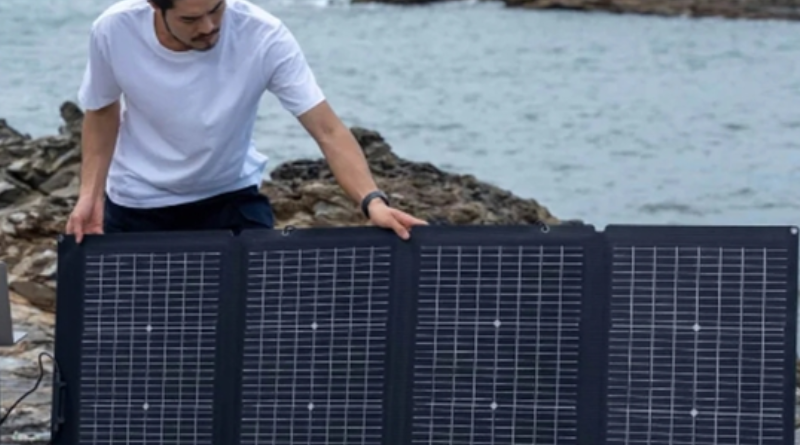
Do Portable Solar Panels Actually Overheat?
How Solar Panels Handle Heat
Solar panels are built to operate in sunlight, but they aren’t immune to heat. Most panels can function in temperatures up to 185°F (85°C), but their efficiency drops as they get hotter. This happens because solar cells convert sunlight into electricity more slowly at high temperatures. Think of it like running in hot weather—you can still move, but you won’t be as fast or efficient as in cooler conditions. Manufacturers design panels with heat dissipation in mind, using materials that allow some airflow and heat resistance. However, if a panel is left in direct sunlight without proper ventilation, temperatures can rise beyond ideal levels. While they won’t usually “overheat” to the point of failure, sustained high heat can degrade components over time.
Temperature Limits for Common Panel Types
Different solar panel technologies handle heat differently. Monocrystalline panels, for example, are more heat-resistant than thin-film panels, but they still lose about 0.3% efficiency for every degree above 77°F (25°C). Polycrystalline panels perform similarly but may heat up slightly faster due to their construction. If you live in a hot climate or frequently use panels in desert environments, choosing a more heat-tolerant design can help maintain better performance. Portable panels often come with temperature ratings in their specifications. Exceeding these limits won’t necessarily cause immediate failure, but it will reduce power output. For instance, a panel rated for 100W might only deliver 80W on a scorching day.
What Causes Overheating in Portable Solar Panels?
Direct Sunlight vs. Ambient Temperature Effects
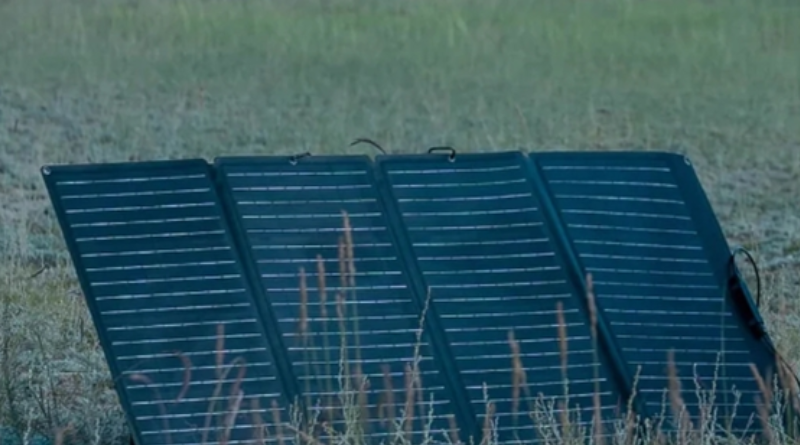
It’s not just the sun’s intensity that heats up panels—ambient temperature plays a big role. A sunny 90°F (32°C) day can push panel temperatures 30–40°F above the air temperature, especially if they’re placed on dark surfaces like asphalt or car roofs. This is similar to how a parked car’s interior gets much hotter than the outside air. Even in cooler climates, direct sunlight can create localized hot spots if panels are left flat without airflow underneath. Angling panels slightly or elevating them helps dissipate heat, much like propping open a laptop to keep it cool. If you’re camping in a hot area, placing panels on a light-colored surface or grass can reduce heat absorption compared to dark rocks or sand.
Poor Ventilation and Mounting Issues
One of the biggest contributors to overheating is lack of airflow. When portable solar panels are laid flat on a surface, heat gets trapped underneath, raising the temperature further. This is especially common with foldable panels stored in tight spaces or mounted on RV roofs without proper spacing. Mounting panels just an inch above a surface can significantly improve cooling. Some users make the mistake of stacking panels when not in use, which traps heat between them. If you’re setting up a solar array, leave small gaps between panels to allow air circulation.
How Overheating Affects Performance and Lifespan
Power Output Reduction in High Heat
Heat doesn’t just make panels less efficient—it can also disrupt your power supply when you need it most. For example, if you’re relying on solar to charge a fridge during a camping trip, a 20% drop in efficiency might mean the difference between keeping food cool or spoiling. High temperatures increase electrical resistance in the cells, forcing them to work harder for the same output. This effect is most noticeable in peak afternoon heat. If your panel normally charges a phone in two hours, it might take three on a very hot day. Planning usage around cooler morning or evening hours can help mitigate this, especially in summer.
Long-Term Damage Risks
While occasional heat exposure won’t ruin a panel, repeated overheating can degrade materials over time. Extreme heat can weaken solder connections, warp plastic frames, or delaminate protective coatings. This is similar to how constant sun exposure fades car paint or cracks dashboard materials. Batteries connected to solar panels are also sensitive to heat. Storing a solar generator in direct sunlight can reduce battery lifespan, just like leaving a power bank in a hot car. To maximize longevity, store panels and batteries in shaded, well-ventilated areas when not in use.
Practical Tips to Prevent Overheating
The easiest way to prevent overheating is smart placement. Elevate panels at least a few inches above surfaces to allow airflow—using simple stands or even makeshift props like books or logs works. If mounting on a vehicle, choose light-colored surfaces or add a reflective layer underneath to deflect heat. Angling panels not only improves sunlight capture but also helps with cooling. A slight tilt lets hot air rise and escape from underneath. In fixed setups, like RV installations, consider adding small fans or heat sinks if temperatures regularly exceed recommended limits.
Conclusion
In conclusion, prioritizing heat management is crucial for maximizing the efficiency and longevity of portable solar panels. By making simple adjustments and choosing reputable brands like EcoFlow, you can ensure that your investment not only meets your power needs but also stands the test of time. With the right care and quality portable solar panel, harnessing solar energy on the go becomes a seamless and sustainable experience.