


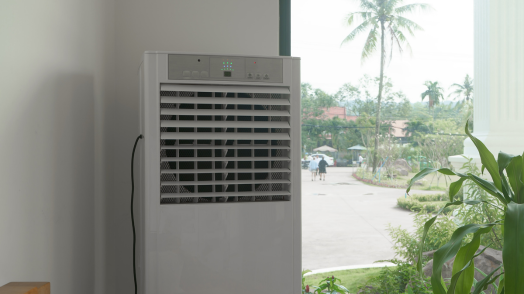
As the planet faces unprecedented climate challenges, the quest for sustainable and efficient climate solutions has become more critical than ever. Among the myriad of options available for maintaining comfortable indoor temperatures, the evaporative cooling system stands out as a compelling solution for eco-conscious homeowners and businesses alike.
Understanding Evaporative Cooling
An evaporative cooling system operates on the principle of heat absorption by moisture evaporation. This natural phenomenon is analogous to the sensation of a cool breeze by a lake on a warm day. As the water evaporates into the air, it absorbs heat, resulting in a lower temperature of the surrounding area. Through replicating this process on a larger scale, evaporative coolers provide an efficient method of reducing indoor air temperatures.
The Mechanism Behind the System
The core of the evaporative cooling system consists of a fan and moistened pads. Hot, dry outside air passes through these water-saturated pads and as it does so, water molecules evaporate, cooling the air dramatically. This cooled air is then circulated throughout the space, lowering the temperature and providing a comfortable environment.
Environmental Advantages
Among the principal benefits of evaporative cooling systems is their minimal environmental footprint. By exploiting the natural cooling process of evaporation, these systems eschew the use of refrigerants that are commonly found in traditional air conditioning units, which are known to contribute to greenhouse gas emissions and global warming.
Energy Efficiency
Another significant advantage inherent in evaporative cooling systems is their energy efficiency. Compared to conventional air conditioners, they consume significantly less electricity, which can translate to considerable cost savings in the long run. This lower energy usage also means a reduction in fossil fuel consumption and thus a smaller carbon footprint.
Cost-Effectiveness
Operating a traditional air conditioning unit can be costly, particularly during peak summer months. In contrast, an evaporative cooling system is typically more economical to both install and run. Their simple design and mechanism allow for lower installation costs and their operational expenses can be up to 50% less than that of traditional air conditioning, making them an attractive option for cost-conscious consumers.
Maintenance and Longevity
The construction of evaporative coolers is generally straightforward, leading to fewer mechanical complications and easier maintenance. Regular cleaning of pads and checking of water levels are the main aspects of upkeep, which means fewer calls to the repair technician and more longevity for the unit itself.
Health and Air Quality Benefits
Not only are evaporative cooling systems beneficial in terms of environmental and cost considerations, but they also offer health and air quality advantages. Unlike conventional air conditioning which recirculates existing air, evaporative coolers bring in a constant stream of fresh air from outside. This continuous air exchange can help to reduce the presence of allergens, like dust and pollen, and prevent the growth of mould and bacteria.
Considerations for Optimal Use
However, effectiveness of an evaporative cooling system can vary depending on the climate. These systems are particularly well-suited to areas with low humidity, as drier air promotes more efficient evaporation and cooling. In high humidity environments, the effectiveness of evaporative cooling diminishes, which may necessitate a hybrid approach or alternative cooling methods.
Enhancing Lifestyle Comfort
Coupled with the innovative aspects of the evaporative cooling system in terms of energy and cost efficiency, they also contribute remarkably to enhancing lifestyle comfort. They produce cooler air that is not excessively dry, which is often the case with traditional air conditioning, making the air more comfortable to breathe for some individuals.
Scaling to Requirements
Evaporative cooling systems are highly scalable and can be designed to cater to a range of sizes from a single room to an entire building. By selecting a system that is appropriately sized for the space, optimal cooling can be achieved without unnecessary energy expenditure.
Conclusion
In today’s ecologically conscious world, it has become imperative for individuals and businesses to seek out climate solutions that not only provide comfort but also respect and protect our environment. The evaporative cooling system is a testament to such a solution, blending cost-effectiveness and energy efficiency with substantial environmental benefits.
Moving Towards a Sustainable Future
As we endeavour to tackle the challenges posed by climate change, applying sustainable innovations like evaporative cooling could play a pivotal role in shifting towards a more environmentally responsible and comfortable future. Whether it is for residential or commercial use, the evaporative cooler stands as a symbol of progress in climate control technologies, embracing both ecological awareness and the pursuit of comfort.
For forward-thinking consumers seeking to make a beneficial impact on the environment while enjoying the comforts of a well-cooled space, embracing evaporative cooling systems emerges as an intelligent and responsible choice. The move towards these systems reflects a collective acknowledgment of our environmental responsibility, as well as a commitment to pursue energy-efficient and sustainable living practices for a greener tomorrow.