


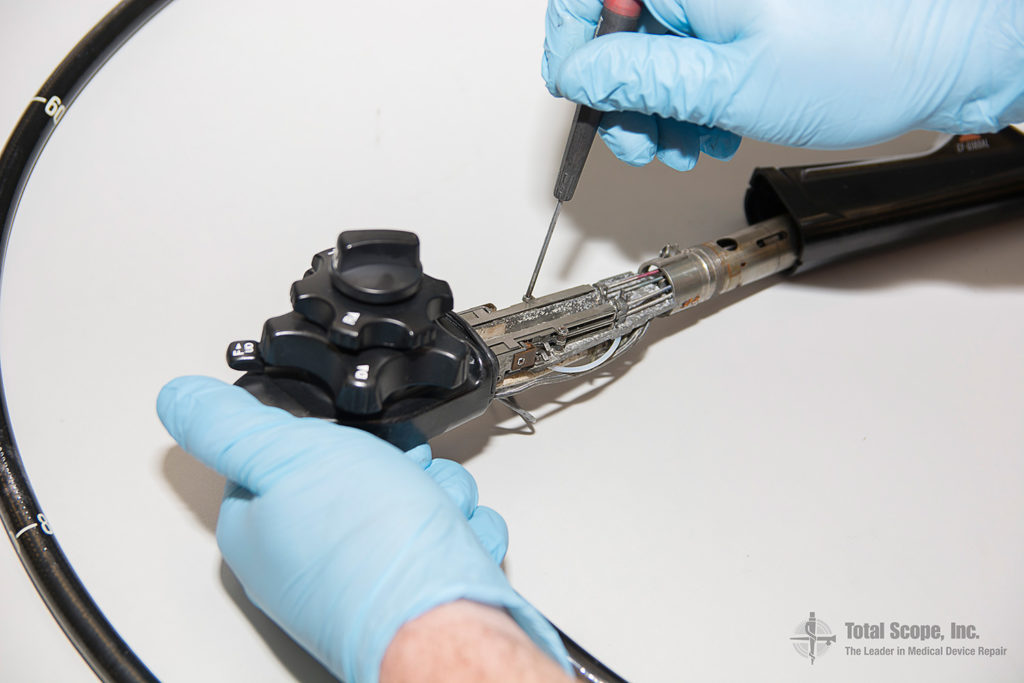
Endoscopy bending sections and flexible endoscope parts play crucial roles in the effectiveness and functionality of modern medical procedures. These components are essential for the precision and flexibility required in various endoscopic procedures. This guide aims to break down the complexities of these parts, ensuring a better understanding and easier maintenance for both professionals and those new to the field.
Understanding Endoscopy Bending Sections
Endoscopy bending sections are integral to the maneuverability of flexible endoscopes. These sections consist of multiple small, interconnected segments that allow the endoscope to bend and navigate through the body’s complex pathways. The design of these bending sections is critical, as it enables the endoscope to reach difficult areas while minimizing discomfort for the patient.
The bending sections must be durable and highly flexible. They are typically made from high-quality materials that can withstand repeated use and sterilization. The flexibility of these sections is what allows for precise movements, which is essential during delicate procedures.
In endoscopic procedures, the ability to control the direction and movement of the endoscope is paramount. The bending section, therefore, is designed to respond to the slightest manipulation by the operator, providing both accuracy and ease of use. For those involved in the maintenance of these devices, understanding the structure and function of the bending sections is vital.
The Role of Flexible Endoscope Parts in Ensuring Functionality
Flexible endoscope parts encompass a wide range of components, each serving a specific purpose in the overall operation of the device. These parts include the insertion tube, light guide tube, biopsy channel, and air/water channels, among others. Each component must work in harmony to ensure the endoscope performs as intended.
The insertion tube is perhaps the most visible part of the endoscope. It is the long, flexible part that is inserted into the patient’s body. This tube must be both durable and flexible, capable of navigating the body’s internal structures without causing injury.
The light guide tube is another critical component. It carries light from an external source to illuminate the area being examined, allowing the operator to see clearly. This tube must be clear and free of obstructions to ensure that the light it carries is bright and focused.
Biopsy channels are used to take tissue samples during an endoscopic procedure. These channels must be clean and unobstructed, as any blockage can compromise the procedure’s effectiveness. Air and water channels are also vital, as they allow the operator to clear the area being examined, improving visibility and precision.
The Importance of Regular Maintenance for Endoscopy Bending Sections and Flexible Endoscope Parts
Maintaining the various parts of a flexible endoscope, including the bending sections, is essential for ensuring the device’s longevity and functionality. Regular inspection and cleaning of these parts can prevent issues such as blockages, wear and tear, and loss of flexibility, which can compromise the endoscope’s effectiveness.
For example, the bending sections should be checked regularly for signs of wear, such as cracks or stiffness. Any damage to these sections can affect the endoscope’s ability to bend and maneuver, potentially leading to less precise procedures and increased discomfort for the patient.
Similarly, flexible endoscope parts like the light guide tube and biopsy channels must be kept in optimal condition. Any obstructions in these channels can hinder the procedure, making it difficult for the operator to perform their tasks effectively. Regular cleaning and maintenance are therefore crucial.
A Trusted Provider of Flexible Endoscope Parts
When it comes to maintaining and replacing flexible endoscope parts, Inpartsmed is a trusted provider. They offer high-quality components, including bending sections, insertion tubes, and light guide tubes, all designed to meet the rigorous demands of modern medical procedures.
Inpartsmed’s parts are made from durable, high-quality materials that ensure longevity and reliability. Whether you need a new light guide tube or a replacement bending section, Inpartsmed has you covered.
Their products are designed to be easy to install and maintain, making them ideal for both experienced professionals and those new to the field. By choosing Inpartsmed, you can ensure that your endoscope remains in top condition, ready to perform even the most challenging procedures.
Ensuring Longevity
Proper handling of flexible endoscope parts is essential for maintaining their longevity. This includes careful cleaning, regular inspections, and proper storage when the endoscope is not in use. By following these best practices, you can extend the life of your endoscope and ensure it remains functional for years to come.
Always clean the endoscope thoroughly after each use. This helps to prevent the buildup of debris and bacteria, which can cause damage to the parts over time. It’s also important to inspect the endoscope regularly, looking for signs of wear or damage that may need to be addressed.
When not in use, store the endoscope in a cool, dry place where it won’t be exposed to extreme temperatures or humidity. This helps to prevent damage to the flexible parts and ensures that the endoscope is ready for use whenever it’s needed.
FAQs About Endoscopy Bending Sections and Flexible Endoscope Parts
- What are endoscopy bending sections made of?
Endoscopy bending sections are typically made from high-quality, durable materials like stainless steel or specialized polymers. These materials allow the sections to bend and flex without breaking, ensuring they can withstand repeated use.
- How often should flexible endoscope parts be replaced?
The frequency of replacement depends on the usage and the specific part. Generally, parts like bending sections and insertion tubes should be inspected regularly and replaced if signs of wear or damage are found.
- Can I use generic parts for my flexible endoscope?
While generic parts might be cheaper, it’s important to use high-quality parts, preferably from a trusted provider like Inpartsmed. Using substandard parts can compromise the endoscope’s functionality and safety.
- What is the role of the light guide tube in a flexible endoscope?
The light guide tube carries light from an external source to the area being examined, allowing the operator to see clearly. It’s an essential component for visibility during endoscopic procedures.
- How should I clean my endoscope’s bending sections?
Bending sections should be cleaned carefully using a soft brush and appropriate cleaning solutions. It’s important to remove all debris and ensure the sections are thoroughly dry before storage.
Conclusion
Understanding the various parts of a flexible endoscope, particularly the endoscopy bending sections, is crucial for ensuring effective and safe medical procedures. By focusing on regular maintenance and using high-quality parts from trusted providers like Inpartsmed, you can keep your endoscope in top condition, ensuring its longevity and reliability.
In summary, the complex nature of flexible endoscope parts requires careful attention to detail, both in their usage and maintenance. Whether you’re a seasoned professional or new to the field, keeping these parts in optimal condition will enhance the effectiveness of your endoscopic procedures and improve patient outcomes.