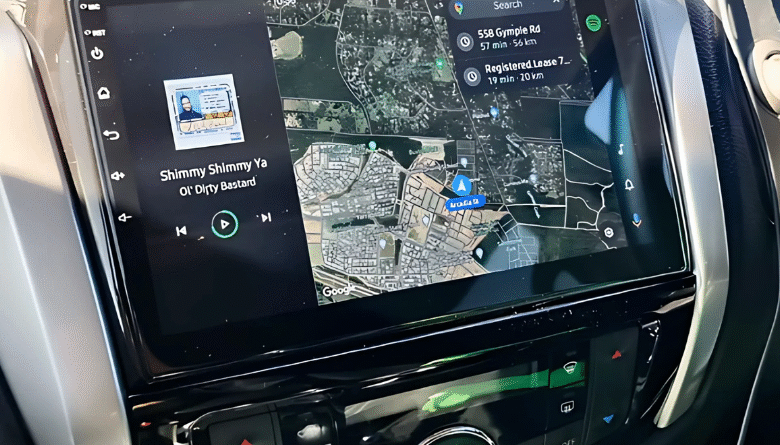
The Evolution of In Car Connectivity
In recent years, the automotive industry has witnessed a significant transformation in how drivers interact with their vehicles. One of the most notable advancements is the introduction of Apple’s CarPlay, a platform designed to integrate iPhone functionality directly into a car’s infotainment system. Initially, CarPlay required a physical connection via a Lightning cable, which while reliable, limited convenience for many drivers. The emergence of wireless CarPlay has revolutionized this experience by allowing drivers to connect their iPhones to their vehicles without the need for cables, offering a seamless blend of technology and driving comfort.
Wireless CarPlay leverages Bluetooth and Wi Fi to establish and maintain a connection between a compatible iPhone and the vehicle’s infotainment system. This shift eliminates the hassle of plugging and unplugging a phone, making it easier for drivers to jump in their car and go. As more car manufacturers integrate wireless CarPlay support, the feature is becoming a standard expectation for modern vehicles rather than a luxury. This evolution reflects the broader trend of prioritizing convenience, accessibility, and safety in the driving experience.
Convenience and Accessibility at Your Fingertips
One of the primary benefits of wireless CarPlay is the unmatched convenience it provides. Drivers can now enter their vehicle, start the engine, and have their phone automatically connect to the infotainment system without lifting a finger. This ease of use is particularly valuable for those with busy lifestyles who frequently get in and out of their vehicles. It also means fewer distractions, as drivers no longer need to fumble with cables while on the go.
Accessibility has also improved with wireless CarPlay, as it allows for faster and smoother access to navigation, music, calls, and messages. Voice control via Siri becomes a central component of the experience, enabling drivers to keep their hands on the wheel and eyes on the road. For those who rely heavily on apps such as Apple Maps, Spotify, or Messages, wireless CarPlay ensures that their digital life is seamlessly integrated into their driving routine without unnecessary setup steps.
Enhanced Safety for Modern Drivers
Wireless CarPlay is not just about convenience—it also plays a crucial role in improving road safety. With features like hands free calling, voice activated messaging, and turn by turn navigation, drivers can minimize distractions and stay focused on the road. By reducing the need to interact directly with a smartphone, wireless CarPlay helps lower the risk of accidents caused by distracted driving.
Additionally, the interface is designed to mirror the iPhone’s most relevant functions in a simplified, driver friendly format. Large icons, intuitive layouts, and responsive touch controls make it easy to navigate menus without prolonged attention away from driving. When combined with steering wheel controls and voice commands, wireless CarPlay becomes an effective tool for enhancing situational awareness while behind the wheel. As vehicle safety standards evolve, wireless CarPlay fits perfectly into the broader movement toward smarter, safer driving technologies.
Technical Requirements and Compatibility
For drivers interested in upgrading to wireless CarPlay, understanding the technical requirements is essential. Not all vehicles with CarPlay support are equipped for wireless functionality. Wireless CarPlay typically requires both Bluetooth and Wi Fi connectivity within the vehicle’s infotainment system. Many newer models from manufacturers like BMW, Audi, Ford, and Mercedes Benz now come equipped with this capability out of the box.
However, for those with older vehicles, aftermarket solutions are available in the form of wireless CarPlay adapters or replacement head units. These devices connect to existing wired CarPlay systems and provide a wireless link to the iPhone. It’s also worth noting that wireless CarPlay consumes slightly more battery power on the phone due to constant Wi Fi usage, so some drivers may still opt to connect their devices via cable for charging purposes during long trips. Ensuring both the iPhone and vehicle firmware are updated can help maintain a stable and efficient wireless connection.
The Future of Wireless CarPlay and Connected Driving
Wireless CarPlay is just one step toward a fully connected driving ecosystem. As automotive technology continues to evolve, we can expect even greater integration between smartphones, vehicles, and cloud based services. Future developments may include expanded app support, more advanced voice recognition, and tighter integration with other smart devices such as Apple Watch or HomeKit enabled products.
Manufacturers are also exploring how wireless CarPlay can work alongside autonomous driving features, augmented reality navigation, and personalized driver profiles. With over the air updates becoming more common in the automotive industry, wireless CarPlay may see continuous enhancements without requiring physical hardware changes. The technology’s rapid adoption indicates that it will remain a core feature in modern vehicles for years to come, shaping the way we experience driving in an increasingly digital world.