


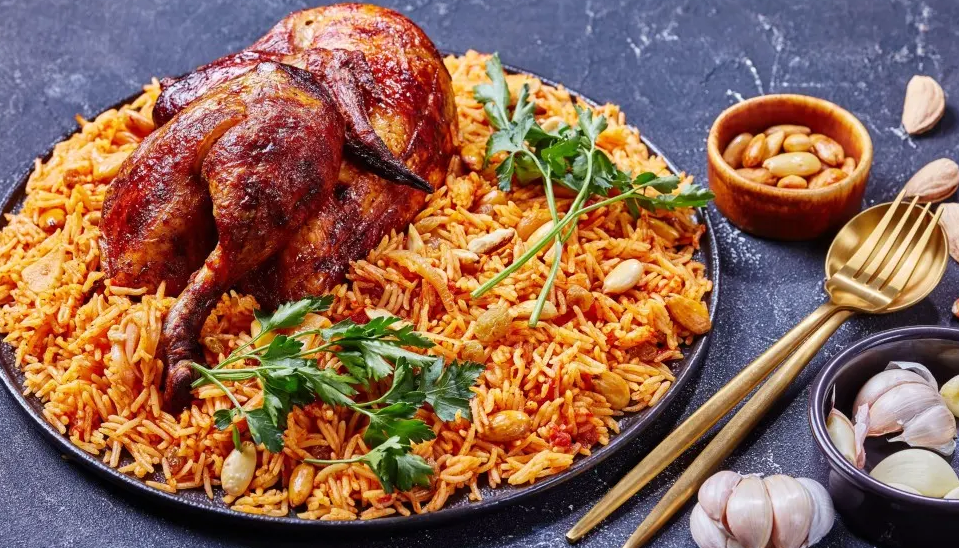
The traditional Saudi Arabian Cuisine is rich in culinary heritage, and every meal is shaped by cultural traditions. The traditional food of the Saudi Arabian cuisine is shared foods which are prepared by using traditional spices and ingredients. The Saudi traditional cuisines reflect the deep-rooted old heritage of Bedouin traditions, Islamic Values and modern diversity of cuisines. Mostly cuisines in Saudi Arabia are served in the form of platters and in main meal, street foods and even deserts are served in a variety according to traditions of Saudi Arabia.
When Muslim pilgrims visit for the Umrah pilgrimage, they spend time in offering the Umrah rituals to gain rewards and spiritual gains. Whereas, Islamic Travel can arrange all the travel arrangements for Umrah pilgrimage including Hotel booking, Umrah flights, transport, VISA approval, transport and meals in hotels. We try to keep in mind the preference of pilgrims in food cuisines, but mostly served them traditional Arabian cuisines. The variety of foods cuisines in our Umrah packages UK is huge which shows the Saudi identity and traditionally preferred foods.
Main traditional Saudi Cuisines
These are several traditionally famous cuisines served as the main dish in Saudi Arabia. These dishes are treated as popular dish using highly nutritious food items including flour, meat, and rice. Traditionally famous spices and ingredients are used during the preparation of these foods. Pilgrims traveling to Saudi Arabia in Ramadan follow the pattern of locals to eat food on Sahar and Iftar. Pilgrims can perform Umrah in Ramadan and use the main traditional Saudi cuisines in Iftar. These dishes include:
Kabsa: It is known as a traditional dish in Saudi Arabia, prepared by using fragrant dishes with meat, vegetables and numerous aromatic spices. The meat of chicken, lamb, goat and camel is used to make this dish. Moreover, Long-Grain Basmati is used to serve on a long communal platter. Onion and Garlic are used to prepare this unique dish.
Mandi: It is prepared by slow-cooked meat with rice and offers a smoky flavor. Tender meat is used along with flavored rice using butter and ghee to cook this dish. Wood smoke is also used to give essence to this dish.
Jareesh: It is a porridge-like dish. Wheat is crushed with meat savory and it is cooked slowly on a slow flame using onions, yogurt and spices. A creamy, porridge-like texture is made by using coarsely ground wheat. Meat is used to add more flavor whereas, yoghurt/buttermilk is used to add creaminess to the dish.
Mugalgal: It is a traditional dish of Saudi Arabia which is made up of small cubes of meat (lamb and beef), tomatoes, onions and garlic. It is cooked on high flame and served for breakfast or lunch. Cumin, black pepper, turmeric, cardamom and cinnamon are essential ingredients of this dish.
Saleeg: It is a creamy rich dish that is made up of milk, ghee, butter and chicken broth. Mostly it is served with roasted or grilled chicken. Whole milk is used for creaminess in the saleeg whereas yoghurt, garlic and saffron are also used for good flavor in the dish.
Hassawi Rice: It is a traditionally served dish with a unique variety of red and dark brown rice. It is cooked by using meat, lentils and vegetables.
Street foods and side foods/ ready to eat
It is cultural and traditional in Saudi Arabia to eat street foods, snacks and side dishes while visiting its top places. These foods are influenced by Bedouin cuisines and regional Arab dishes. While visitors are walking through a market or stopping at a roadside, they can eat something hot, tasty, savory and sweet. Some foods are very famous for their unique taste and ingredients used to enhance their nutritional value and taste. Religious pilgrims also visit the souks to explore the local markets of Saudi Arabia. They travel to perform Umrah by booking packages with Umrah visa and many more Umrah services. After completion of Umrah rituals, they went out from the hotel for random walks and prefer to eat these street foods and side foods available in the Souks.
1. Mutabbaq: It is a folded pastry with stuffing of chicken, egg, onion and parsley.
2. Falafel: Chickpea balls are fried so that keeping outside is crunchy and the inside is soft and tender. Falafel is served with spicy sauce.
3. Shawarma: Thinly sliced meat is wrapped in a flatbread and served with garlic sauce, pickles and fries.
Sweets and snacks
It is Islamic tradition to serve sweets on celebrations and festivals. Thus locals of Saudi Arabia use different fruits and dishes to serve as sweet dish in their cuisines. Date-based desserts and golden pastries are mostly served to exhibit hospitality and celebrations.
- Dates (Ajwa, Sukkari, Khudri)
- Maamoul is a small semolina filled with dates, walnuts and pistachios
- Basbousa is a sugar syrup flavored with rosewater and coconut water.
- Luqaimat are crispy golden dough balls
Famous Beverages of Saudi Arabia
Saudi Arabia is highly rich in Traditional and modern beverages with the addition of useful and healthy ingredients. Hot and cold beverages are served in the market of Saudi Arabia according to preferences of customers. Little salt, milk and slightly fermented milk drinks are used to make cold drinks. Whereas, coffee beans, cardamom and saffron are used to make Arabic hot drinks. The Following are the top and served drinks in Saudi Arabia.
- Qahwa
- Karak Tea
- Camel Milk
Top Tips for food lover Travelers
- Food-lover travelers should eat local foods while they are traveling to Saudi Arabia
- They should try to interact with locals and prefer sharing foods that are very famous in Saudi Arabia.
- They should eat the main meal around 1-3 pm as lunch.
- The eating schedules are entirely changed in the month of Ramadan. They should eat during Iftar and Sahoor.
- Festive foods are highly preferred of locals, travelers should try them on Eid Al-Fitr, Ramadan and wedding.