Art accessibility: purchasing fine art for your home is possible even if you’re not wealthy

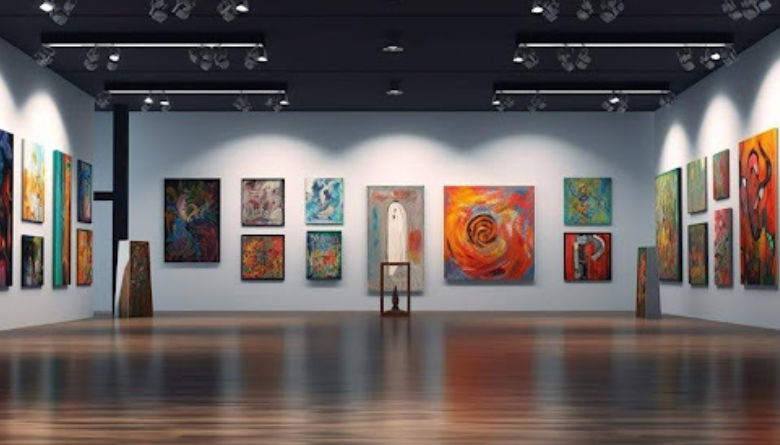
There’s no denying that art, whatever form it comes in, can be a game-changer in interior design. Through the mediums, shapes, lines, colors, textures and patterns it encompasses, art has the uncanny ability to create harmony and uplift the atmosphere in a home, turning even the dullest dwellings into captivating environments. Fine art in particular can change the temperature and brightness of a room as easily as flipping a switch.
However, there’s this common misconception among homeowners that only extremely rich individuals with limitless resources at their disposal can afford to adorn their interiors with fine art pieces. As a result, many people don’t even bother to look into fine art in the first place, assuming it’s simply a waste of time.
Sure, certain artworks are only available to the ultra-wealthy, and it’s definitely much easier to gain access to high-end art collections and purchase whatever item you fancy when you sit on piles of money. But it’s just as true that the price range for fine art is very broad, which means there are plenty of reasonably-priced pieces on the market that anyone can purchase, even if they don’t have a bottomless bank account.
So, unless you have your mind set on acquiring Leonardo da Vinci’s Mona Lisa or similar creations, you have plenty of opportunities to find exquisite artwork to decorate your home and feed your soul. You just need to know where to look for them, and we’re here to point you in the right direction.
Let your personal preferences guide you
It takes time and practice to develop a keen eye for art and learn how to evaluate art pieces, so it might be difficult in the beginning to figure out if an item is overpriced or if the price tag is justified. However, you need to keep in mind that since art itself is subjective, determining the financial value of an art piece is also a highly subjective process. Besides, the price of an item can fluctuate over time since the art market suffers the influence of various factors.
This means that sometimes, the only thing you can truly rely on when assessing artworks is your instinct. Since beauty lies in the eye of the beholder, so does the value of an art piece. So, if an item catches your eye but you’re not sure if it’s worth the splurge, listen to your heart, and it will guide you. As you become more versed in the world of art, you’ll be able to make more accurate valuations and be more confident when making purchases.
Explore online platforms
With the rise of digital technologies and widespread access to the internet, art is no longer confined to galleries, museums and other physical settings but has expanded its wings to the digital sphere, where you can find vast collections of art from all periods, in all styles and mediums, and from artists all across the globe.
Online platforms have made fine art more accessible than ever before, bringing the world of art to your fingertips so you no longer have to limit yourself to your local art market or roam around art fairs and exhibitions searching for the perfect art pieces to display in your home. What’s even better is that many of these online art venues run special offers and provide discounts periodically for the items they feature. So, you can easily find fine art prints for sale if you pay attention to their offering and visit them regularly.
Obviously, this doesn’t mean you shouldn’t set foot in galleries, live auctions and other brick-and-mortar facilities anymore. Quite the contrary, you should still frequent these places as you get the chance to meet up with like-minded individuals, learn new things, gain insider tips and stay connected to the art community.
Go thrift shopping
Thrift shops might not be the first place that comes to mind when you think about fine art, but you’d be surprised at how many refined art pieces find their way to these modest marketplaces where people usually go to purchase items for less. Among all the dusty objects lining the shelves and benches of thrift markets lie all sorts of unique art pieces waiting to be discovered, like treasures hiding in plain sight.
From original paintings from renowned artists to one-of-a-kind sculptures and even exclusive jewelry, thrift shops are home to a wide variety of valuable artworks that have been either lost or forgotten. However, you have to be patient and persistent if you want to find these diamonds in the rough. Look for recognizable signatures and pieces that reflect a high level of craftsmanship when you visit these places.
Research rising artists
While most people focus on the creations of reputable artists from bygone eras when looking for fine art pieces, one should not forget that fine art is still being created, and there are many emerging artists whose creations are absolutely spectacular but don’t enjoy the recognition and popularity they deserve.
As you’re looking to add new pieces to your collection, make sure to research newer artists and explore their offerings. By purchasing art directly from up-and-coming artists, you’ll not only support their craft and encourage them to continue their artistic pursuits, but you’ll also be able to buy fine art pieces at a much more affordable price than the ones usually featured in prestigious art galleries. Who knows, maybe one day, the unknown artist whose art you’ve purchased will become the next big thing, and the items you own will be worth a lot more in the future.
In the end, integrating fine art into your home without breaking the bank is a journey that requires patience and perseverance, but we can assure you that the final result is worth the effort. So, do your research, take the time to educate yourself and expand your knowledge in this area, and you’ll be able to curate your very own art collection.


