
But the question is how you can determine whether your tap water is dangerous to drink or not. For this, you will need to get yourself familiar with the signs of bad tap water quality. In this blog post, we are going to cover some of the most common signs in detail.
Signs Your Tap Water Might Be Dangerous to Drink
Ensuring the safety of the water coming from your taps is important. There are several signs to watch out for that could indicate potential issues with contamination.
- Strange Odors or Smells in the Water
A change in the way your water smells could be cause for concern. If your tap water suddenly has an unusual odor, like rotten eggs or chemicals, it’s best to avoid drinking it until you can find the source of the smell. Strange odors may mean there are harmful substances present that you don’t want to ingest. It’s always better to be safe than sorry when it comes to your family’s health.
- Discolored Water Appearance
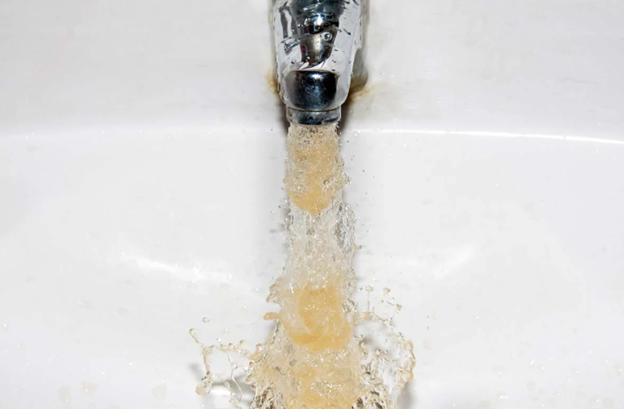
If your water starts looking brown, yellow, or cloudy instead of being clear, that could be a sign that something is off. The way water looks normally is clear, so a change in appearance often means there are impurities present that shouldn’t be there. Things like rust, dirt, or other particles can discolor your water.
It’s best not to drink water that doesn’t look like regular water, as whatever is causing the change in color could potentially be harmful to your health if consumed. Always investigate the cause of discolored tap water.
- Health Issues After Consumption
Pay attention to how your body feels after drinking tap water. If you get an upset stomach, diarrhea, cramps or headaches soon after, this could mean issues with the water. Bacteria and parasites we can’t see may be making their way into our drinking water.
Seeing a doctor and testing your water is smart if you notice health problems linked to what you drink. Taking care of you is priority number one. Get help right away if you experience unexplained symptoms after using the water at home.
- Laundry and Fabric Problems
Have you noticed your clothes or linens fading faster or developing rough patches after washing them with tap water? Issues with laundry could point to contamination in your water supply. Impurities like minerals can deposit on fabrics, causing damage over time.
Pay attention to changes with how your laundry turns out when washed at home. It may be a sign you should test your tap water quality before using it for household tasks like washing clothes.
- Impact of Aging Plumbing Systems
The pipes delivering water to your home may be older and more prone to problems. Water sitting in corroded metal pipes overnight could leach metals into your supply. Pipes past their prime can also collect more sediment and buildup.
If your plumbing system is outdated, it raises the risk of tap water contamination. Consider inspecting your pipes and making upgrades if they appear worn or damaged over time. The condition of household plumbing affects water quality.
- Strong Chlorine Smell
Do you find your water has a very sharp, almost bleachy odor? A powerful smell of chlorine could mean an excess of chemicals used to treat the supply. While chlorine aims to eliminate germs, too much can impact the water’s safety.
It may seem like a small issue, but health problems could arise from regularly drinking strongly chlorinated water. Consider running tests if you notice an overpowering bleach-like stench coming from the tap.
Now that, you have understood the most common signs of dangerous tap water. It is time to understand how you can efficiently treat poor-quality tap water to make it safe.
Possible Methods That You Can Adopt to Make Tap Water Clean & Safe
Below we have discussed some of the most effective solutions or methods that you can adopt in order to make your tap water completely clean and safe to consume.
- Water Filtration:
The most common & widely used method for treating bad quality water. It involves filtering tap water using a water filtration system. The system effectively removes a wide range of contaminants and impurities with maximum accuracy.
You can find a variety of water filters on the market, and each one has its own advantages and disadvantages. Some of the most widely used filtration systems all around the globe include Reverse osmosis, Pitcher filters, Whole-house carbon filters, etc.
- UV light Disinfection:
Apart from water filters, you can also use ultra-violet light radiations in order to efficiently treat poor-quality tap water. For this, you will need to make use of a UV light purifier that will automatically kill microorganisms, pesticides, pathogens, etc without using any kind of chemicals. This means you will get chemical residue-free tap water.
- Opt for Water Distillation:
Water distillation is a process that involves first boiling the water until it turns into steam. And then turning the steam back into the water. This water will be completely pure and safe to consume. However, it is important to note that, distillation is quite a time-consuming process, which means you will have for a long time to get access to good-quality water.
So, these are some of the most useful methods for treating contaminated tap water.
Final Words:
Being aware of potential warning signs regarding tap water quality is an important way for homeowners to stay proactive about health and safety. This guide covered several common signs that your tap water might be dangerous to drink.
Don’t ignore changes observed – having your water tested is a small price to pay for peace of mind. Maintaining awareness of water issues over time helps protect your family every day. Stay informed and stay safe.


