
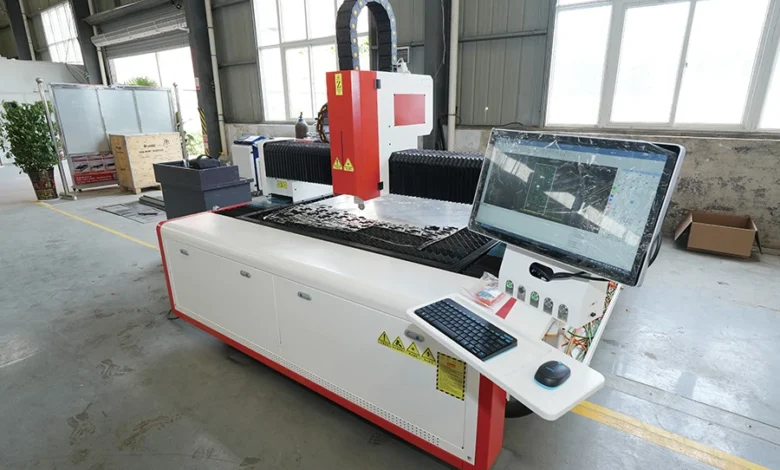
The Advent of Laser Cutting in Modern Manufacturing
In recent years, the manufacturing industry has witnessed a transformation in the way materials are processed, shaped, and finished. One notable innovation that has changed the landscape of precision fabrication is the introduction of the laser cutting service. This technology represents the pinnacle of efficiency and accuracy when it comes to fabricating parts for various applications across diverse industries.
What Is Laser Cutting?
At its core, laser cutting is a technology that uses a concentrated beam of light to cut through materials with extreme precision. This process involves directing the laser beam onto the material’s surface, which melts, burns, vaporizes, or is blown away by a jet of gas, leaving an edge with a high-quality surface finish.
Multiple Industries, One Solution
Across numerous sectors—from automotive to aerospace, and from medical to consumer electronics—laser cutting has become an indispensable part of the production process. Its ability to handle a plethora of materials like metals, plastics, glass, wood, and composite materials makes it a remarkably versatile tool.
Precision: The Hallmark of Laser Cutting
The level of precision that a laser cutting service provides is unparalleled. With the capability to cut intricate designs and complex shapes, manufacturers can achieve dimensions and tolerances that would be almost impossible using traditional cutting methods. This precision ultimately leads to better fitment of parts and, as a consequence, a higher-quality final product.
The Laser Cutting Process
A typical laser cutting process begins with a computer-aided design (CAD) model, which serves as a guide for the laser cutter. The laser is then fine-tuned in terms of intensity, speed, and heat output to ensure it matches the material’s properties and the desired cut. The digital precision of this technique drastically reduces the margin of error and allows for repeatable, consistent cuts regardless of production volume.
Advantages Over Traditional Fabrication Methods
Laser cutting stands out due to its speed and efficiency when compared to traditional fabrication methods such as mechanical cutting or punch pressing. The fact that it is a non-contact process means there is less risk of material contamination or warping, which are common concerns with more conventional techniques that involve physical impact.
The Role of Laser Cutting in Custom Fabrication
Custom fabrication demands flexibility and adaptability, and laser cutting is aptly suited for such requirements. Its ability to easily switch between different designs and material types without the need for changing tools is a significant benefit that streamlines the production process and reduces turnaround times for custom projects.
Eco-Friendly and Cost-Effective
In addition to its precision and versatility, laser cutting is also recognised for its environmentally friendly and cost-effective qualities. With minimal waste generation and energy consumption tuned to the material requirement, laser cutting is a sustainable choice that aligns with contemporary eco-conscious manufacturing practices.
The Importance of Choosing the Right Service Provider
Despite the technological advancements, the quality of the laser cutting service depends significantly on the expertise of the service provider. Professionals with an in-depth understanding of laser cutting machinery, material constraints, and design intricacies can make a considerable difference in the final product’s quality.
Challenges and Considerations in Laser Cutting
Although laser cutting presents many advantages, it is vital to consider its limitations and challenges. Material thickness, type, and laser compatibility are factors that can affect the cutting process. Furthermore, proficient machine maintenance and operational expertise are crucial to prevent issues related to beam focus and material handling.
Technological Advances in Laser Cutting
The world of laser cutting is constantly evolving, with technological advances leading to improved cutting speeds, wider material compatibility, and more sophisticated control systems. This progress ensures that laser cutting remains at the forefront of manufacturing technology, adapting to the future needs of industries.
Investing in Laser Cutting Technology
For businesses looking to enhance their fabrication capabilities, investing in a high-quality laser cutting service is a strategic decision that can yield unmatched precision and efficiency. From bespoke components to large-scale production, the adoption of laser cutting technology is poised to offer substantial returns on investment.
Conclusion: Embracing the Future of Fabrication
As industries continue to seek improvements in production processes and product quality, the role of laser cutting services becomes ever more crucial. With its revolutionising impact on precision fabrication, laser cutting is not merely an alternative to traditional techniques but has become the standard against which all cutting methods are measured.
A Call to Action for Industry Leaders
Industry leaders and decision-makers must acknowledge the game-changing nature of laser cutting. By embracing this technology and partnering with expert service providers, businesses can secure a competitive edge, streamline their manufacturing processes, and produce superior products that stand out in a crowded market.
In conclusion, the laser cutting paradigm is a testament to the innovation driving today’s industrial sector. It is an essential tool for those aiming to maintain relevancy and efficiency in a world where precision and quality are not just desired but expected. By choosing a reputable laser cutting service, manufacturers can unlock the full potential of modern precision fabrication.


