Craftsmanship and tailoring have always forged cherished, individual ownership. Whether a memorable gift, a personal object, or a custom-designed accessory, professional engraving makes each of them unique in a unique way. This art form combines precision crafting with a keen sense of design, creating something mundane and turning it into a timeless classic.
Engraving is much more than a decorative technique. It is a detailed process involving skill, creativity, and advanced tools. Its applications range from jewellery and trophies to custom-made industrial parts. Fundamentally, expert engraving balances techniques with an artist’s hand, giving each work a sense of individuality and purpose.
The Craft of Engraving
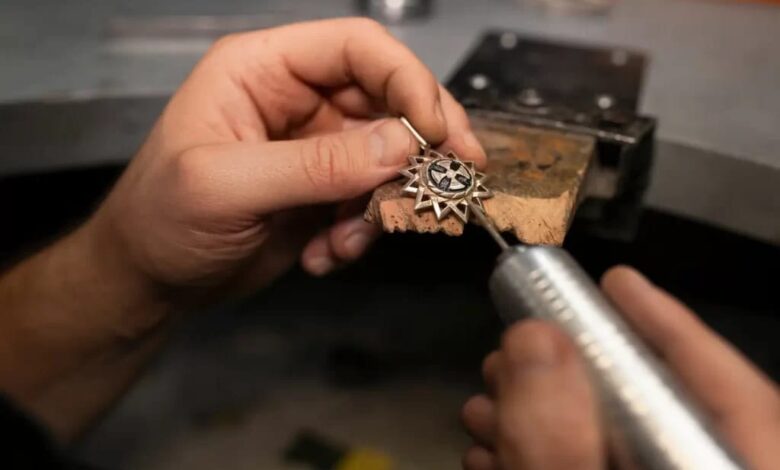
Engraving is now an ancient craft, tracing its roots thousands of years ago. Workers with primitive implements carved complex patterns into stone, metal, and wood. The craft matured, adopting modern-day technology while retaining its fine art fundamentals as time passed. Today, engraving can be done with both old-school hand tools and advanced laser engraving services, providing a level of detail and precision that is unparalleled.
This process usually begins with some planning and design. Skilled engravers collaborate with clients closely, taking their time to understand their vision and needs so that the final product matches the intended aesthetic and function. Once a design is approved, engraving can be done by hand for over-the-top, custom pieces and by machine for mass quantities.
Every method has its distinct advantages. Laser and hand contrast of hand engraving offers a more personal, artisanal appearance that can often show the artisan’s skill, while laser gives super quick, perfect results. They can allow for a super detailed or highly customised image/design to be made on a wide variety of materials that can be used.
The Role of Precision in Craftsmanship
Precision is at the heart of expert engraving; even the tiniest details are rendered precisely. This level of craftsmanship is fundamental in industries like jewellery making, where fine engravings help to achieve a sophisticated appearance to already detailed designs.
Beyond aesthetics, precision engraving is vital to functional applications. For example, industrial engraving makes tools, machines, and equipment readable. Markings, including serial numbers and calibration indicators, must be durable, legible, and able to withstand strict industry standards.
Engraving is also versatile regarding materials, with skilled engravers engraving metals, glass, leather, wood, and plastics. Fine-feathering adds a crisp, professional quality that brings the piece to life, increases its value, and serves its purpose regardless of the medium.
Personalisation: Adding a Unique Touch
Engraving’s capability of customising items has made it a fundamental component of gifting and commemorating products. Custom engravings help add honourable writing, initials of persons, or designs to gifts, making them unique.
Custom engravings are always preferred for weddings, anniversaries, and graduations. These customised pieces—from engraved rings and watches to plaques and picture frames—are lasting reminders of essential milestones and relationships.
Apart from personal gifting, companies also harness the power of laser engraving services for business branding. Promotional items with engraved logos, taglines, and corporate messages are impressive and create vivid impressions of professionalism.
The Intersection of Art and Technology
Technological advancements have transformed the engraving industry, allowing greater precision, speed, and versatility. However, a revolution in how lasers are used in engraving has transformed the craft into a high-precision job that is simply impossible with traditional methods. This high-tech method involves beams of focused light carving designs into different surfaces, achieving intricate and complicated patterns.
While technology has advantages, engraving’s craftsmanship is still essential. Expert engravers should also understand design principles, material properties, and engraving procedures to produce excellent results. This combination of art and technology makes modern engraving such a dynamic and innovative craft!
Applications of Expert Engraving
Advanced engraving has uses as varied as artistic pursuits and practical applications. Engraved jewellery and timepieces are highly sought after within the luxury market for their elegance and uniqueness. In the industrial world, engraved parts provide traceability and compliance with regulations.
Other applications include engravings for signage, awards, and nameplates that are more resilient and elegant than those made using a different process. Engraving is also an excellent option for personalised artistry, which lends itself to another interpreted layer in decorative pieces such as wallpaper and furniture.
Engraving as a Timeless Tradition
What makes engraving so lasting is that while it has evolved to accommodate changing tastes and technologies, at its heart, fine engraving is about precision and personalisation. It’s an art rooted in tradition and a practical path to reinventing it.
Engraving builds connections for individuals and businesses and can be framed through a meaningful design or a functional enhancement. From fine lettering on jewellery to elaborate markings on factory machinery, the importance of professional engraving must be balanced.
Conclusion
The extraordinary relationship between technology and artistry is evident in precision crafting and expert engraving for personalisation. But the taste of this ancient craft, supplemented with modern production methods and new-age technology, inspires and wonders people worldwide. Whether giving gifts a sentimental touch or improving the usefulness of tools and equipment, engraving provides a vital medium for creativity and expression.
This craft can evolve, and surely will, capturing the imaginations of artisans and consumers in equal measure and leaving an indelible mark on the personal and professional fronts.