
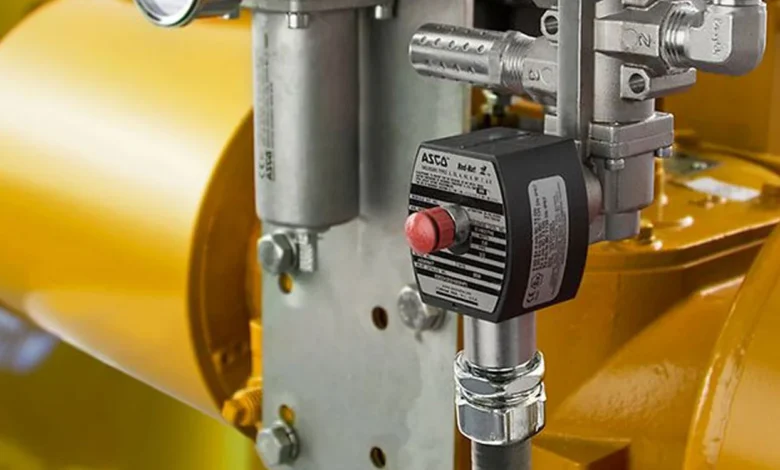
Solenoid valves are an important part of many industrial applications where liquids and gas must be regulated to pass through certain processes. These are some of the most reliable valves, but they can experience problems that hamper the proper functioning of a system. Knowledge of how to solve these problems can reduce downtime and prevent expensive repair activity. In this guide, some of the most common solenoid valve problems are outlined together with practical, learnt approaches from pneumatic butterfly valve factory experts.
How do Solenoid Valves Work
When it comes to troubleshooting solenoid valves, then you must first know how the solenoid valve works. A solenoid valve is an electromagnetic valve in which the valve opening and shutting are achieved through an electromagnet affecting a plunger within the valve. According to the type of valve, the solenoid coil, when energized, generates a magnetic force that in turn lifts the valve’s plunger to allow passage of the fluid or gasses. When the coil is not energized, the plunger moves back to its closing position which seals the flow. This mechanism is quite straightforward and efficient; thus, solenoid valves offer a good solution in case the flow must be managed remotely or automatically. The vast majority of typical problems with solenoid valves are electrical related, particulates and or debris in the system, or wearing of internal parts. For instance, the solenoid coil might not open or close a valve properly when it is faulty or dirty, and debris can cause the plunger to stick, or block the valve. Knowledge of these basic principles allows quick identification of the problem occurrence and its subsequent elimination, if desired.
Common Solenoid Valve Problem and Their Solutions
Solenoid valves as are many mechanical systems are considered to be fairly dependable but like all mechanical systems they do have their issues. The most likely problem is if a valve does not open or close as it should, or stays in the middle.” This is usually as a result of lack of adequate voltage in the solenoid coil or a defective coil that does not develop a magnetic field which controls the valve. It is possible to check such electrical problems with a multimeter test in a few minutes. Another common problem with plungers is that they can freeze up due to debris within the valve, and become corroded. A normal solution is to clean the valve and replace any worn out aspects of the valve system. We also discover that solenoid valves also leak and this is contributed by damaged ordnance seals, and interior parts that are out of position. To solve leaks, the seals ought to be replaced or the parts properly adjusted, and all in place. If the valve appears energized or non-energized it must probably be caused by a wiring problem or bad controller. Most of these problems can often be solved by rewiring or by replacing the solenoid coil. It’s important to get all these problems fixed as soon as possible so that your solenoid valves do not fail you.
Preventive Maintenance for Solenoid Valves
Scheduling of the maintenance of solenoid valves is an important element of its durability and efficiency. As for the problems, many of them can be avoided in the course of timely inspection and cleaning or due to the replacement of worn parts or components. For instance, Special attention should be paid to the condition of the seals because most of them when damaged lead to leakage. Further, the direct control of voltage in the system is important
so as to avoid electrical breakdowns. Where the environment is highly contaminated, it may be necessary to protect the solenoid valve with filters or strainers to avoid blockage by dirt etc. There must also be right installation because wrong installation causes misalignment which may lead to leakage or malfunction. In more complicated cases it is effective to turn to suppliers of pneumatic butterfly valves in order to select the proper kind and size of the valve. Preventive checks are efficient in preventing any possible failure of the valve and also increases the valve’s operations effectiveness and durability.
Check and Addressing of Leaks and Valve Difficulties
Solenoid valve issues include leaks and valve failure and can be attributed to worn out seals, accumulated debris, or any sign of poor installation. After some period of usage, the silicone seal used in any solenoid valve will deteriorate especially under high pressure or high temperature operations, resulting in some leakage. In such circumstances, the only reasonable course of action is to change the damaged seals or gaskets as necessary. In the same respect, if the valve does not open or close in the required fashion, then the plunger is probably dammed by dirt or debris in its way and as such, becomes rigid. It can be solved by correcting the obstruction and cleaning the valve in order to get rid of its normal working conditions. If cleaning and sealing replacements will not fix the problem it may mean that internal parts have deteriorated and require replacement. In such circumstances, even though repairing is unavoidable, if the repairs do not work appropriately then the only remedy for this problem is to have a new valve fitted. Solenoid valves should be inspected frequently to guarantee that the system is not affected by leaks and worn parts to avoid common failures.Conclusion
Conclusion
The problems with solenoid valves can be categorized depending on the electrical, mechanical, and installation aspect. Some problems like failure to work on coils, leakage, or plunger entrapment are sometimes easy to deal with if only they undergo regular checks and cleaning. These problems can however be prevented by using the services of maintenance to check on the valve and rectify any problem that may be causing a change in its efficiency of working. They are as follows; looking for the most appropriate solenoid valve to fit your system and avoid situations where you will experience these common problems after installation. For instance in the selection of solenoid valves, selecting pneumatic butterfly valve suppliers who will facilitate the development of valves that fit your requirements is important. Also, if you’re planning on adding specific functions to your system, you may also buy pneumatic butterfly valve styles that meet your industrial needs. If you practice the right troubleshooting measures, you will be in a point to offer the right maintenance of the solenoid valves hence do not let these valves pull down your systems through frequent breakdowns.


