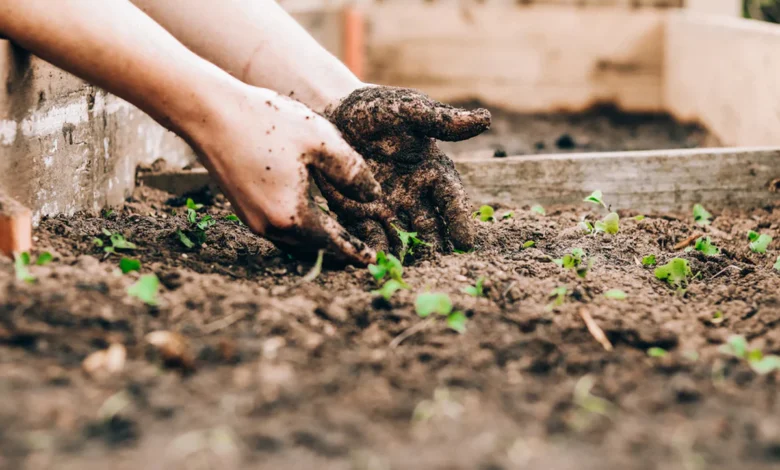
The foundation of any successful garden starts with the soil, as it provides the essential nutrients, structure, and environment needed for plant growth. When combined with flagstone landscaping, understanding the nuances of soil becomes even more critical. Garden soil typically consists of a mixture of organic matter, minerals, and microorganisms that work in harmony to support plant life. Before laying flagstone, it’s important to ensure the soil underneath is stable and well-draining, as this prevents shifting or uneven surfaces over time. Properly prepared soil not only supports the plants around the flagstone but also enhances the visual appeal of the landscape, creating a seamless integration of hardscape and softscape elements.
What Makes Garden Soil Essential for Healthy Plants?
Garden soil serves as the lifeblood of plants, acting as a reservoir for water and nutrients while anchoring roots for stability. Its texture, composition, and fertility directly influence plant health and growth. Near flagstone installations, the choice of soil plays a critical role in ensuring that surrounding greenery thrives without encroaching on the stonework. Well-balanced soil contains the ideal ratio of sand, silt, and clay, which promotes aeration, drainage, and nutrient retention. Healthy soil is alive with microorganisms, worms, and fungi that break down organic matter, enriching it with nutrients. To maintain harmony between flagstone and lush greenery, gardeners must carefully balance soil composition and drainage to avoid water pooling near the stones.
Choosing the Right Soil for Your Garden
Selecting the appropriate soil for your garden is an art and science that depends on plant types, climate, and existing soil conditions. For landscapes featuring flagstone, choosing the right soil becomes even more important to ensure structural stability and plant health. Sandy soil is great for drainage but lacks nutrients, while clay soil retains water but can become compacted. Loamy soil, a balanced mix of sand, silt, and clay, is often the best choice for most plants and pairs well with flagstone designs. Additionally, specialized garden soils enriched with organic matter can improve the aesthetic and practical elements of gardens, ensuring plants flourish around the stone features. By tailoring your soil choice to your specific needs, you can create a harmonious environment where both flagstone and plants thrive.
How to Improve Garden Soil for Better Growth?
Enhancing garden soil quality is essential for robust plant growth and ensures that your flagstone landscaping remains visually appealing and functional. Soil improvement often involves adding organic matter, such as compost, manure, or leaf mold, which enriches the soil with nutrients and enhances its texture. Aerating compacted soil can improve water infiltration and root penetration, especially around flagstone areas where soil may naturally compress. Incorporating natural amendments like bone meal or rock phosphate further boosts soil fertility. Mulching around flagstone paths not only retains moisture but also prevents soil erosion. Regular soil testing can identify nutrient deficiencies, allowing you to address them with targeted amendments, ensuring a thriving garden.
Garden Soil vs. Potting Mix: Key Differences
While garden soil and potting mix may seem interchangeable, they serve distinct purposes and are composed differently. Garden soil is a natural mixture of soil from the ground, often enriched with organic matter and nutrients, making it ideal for outdoor planting beds. Potting mix, on the other hand, is a lightweight, sterile blend of peat moss, perlite, and vermiculite, designed for container gardening. When working with flagstone landscaping, garden soil is preferred for surrounding plants due to its compatibility with outdoor conditions. However, understanding when to use each is crucial for optimizing plant health and ensuring that plants near flagstone installations receive the support they need to thrive.
Steps to Test and Balance Your Garden Soil
Testing your garden soil is a fundamental step in achieving a thriving garden and ensuring that plants near flagstone installations remain healthy. Soil tests measure pH levels, nutrient content, and texture, providing critical insights into its composition. A soil test kit or professional analysis can reveal whether your soil is acidic, neutral, or alkaline, helping you choose plants suited to the existing conditions or make adjustments. To balance soil, amendments such as lime can raise pH, while sulfur can lower it. Adding compost can improve nutrient levels, and aeration can resolve compaction issues. For flagstone gardens, proper soil balance prevents waterlogging near stones and promotes healthy plant growth, ensuring a cohesive and visually stunning outdoor space.
Organic Matter: Boosting Your Garden Soil Naturally
Organic matter is the cornerstone of healthy garden soil, providing essential nutrients and improving soil structure. Materials like compost, manure, shredded leaves, and grass clippings break down into humus, enriching the soil with vital nutrients. Around flagstone installations, organic matter can help stabilize soil and prevent erosion. By boosting water retention in sandy soils and improving drainage in clay soils, organic matter creates an optimal environment for plant roots. Additionally, it fosters a thriving ecosystem of microorganisms that decompose organic material, releasing nutrients over time. Incorporating organic matter regularly ensures that your soil remains fertile and supports lush greenery around your flagstone pathways and patios.
Common Garden Soil Problems and Their Solutions
Garden soil can present various challenges, from poor drainage and compaction to nutrient deficiencies and pH imbalances. For gardeners incorporating flagstone, these problems can be exacerbated if not addressed early. Poor drainage can lead to water pooling near flagstone installations, promoting moss growth and making surfaces slippery. This issue can be mitigated by incorporating sand or gravel into the soil. Compacted soil restricts root growth and water infiltration, which can be resolved by aerating the soil with a garden fork or mechanical aerator. Nutrient deficiencies can be identified through soil testing and corrected with targeted fertilizers or organic amendments. Addressing these issues promptly ensures that your garden soil supports both plants and flagstone features effectively.
Conclusion
Flagstone and garden soil are two essential elements that, when harmonized, can create stunning and functional outdoor spaces. Understanding garden soil basics, choosing the right soil, and improving its quality not only enhance plant growth but also complement the natural beauty of flagstone installations. By addressing common soil problems, incorporating organic matter, and balancing nutrients and pH levels, gardeners can achieve a thriving garden that integrates seamlessly with hardscape features. Whether you’re planning a flagstone path winding through lush greenery or a patio surrounded by vibrant flower beds, investing in your soil is key to long-term success. With careful preparation and maintenance, your garden will flourish, providing a space of beauty, relaxation, and inspiration.