Self-balancing scooters are fun and useful, whether you’re riding them on proper tracks or simply wandering around town. Although it may appear tough at first glance, but it’s very easy to learn riding with the proper instructions. Guidelines are included to make certain your enjoyment is secure and smooth. This particular step-by-step article will help you turn out to be a professional self-balancing scooter rider.
Have you ever seen a person using those futuristic gadgets? And you thought, “How are they riding it with this balance?
Then, you’re at the right place to find answers to these queries. First, let’s talk about some interesting background information about this.
Why do people use the phrase “self-balancing scooter”?
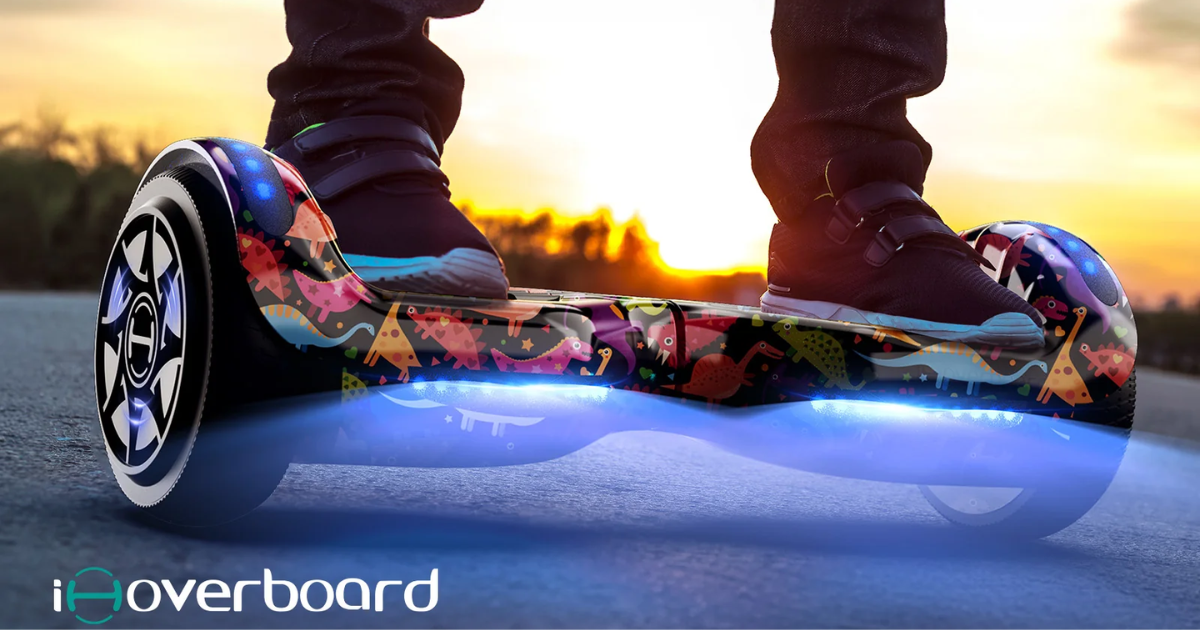
A cool two-wheeled “hoverboard,” also known as a self-balancing scooter, because of its built-in feature to maintain the balance automatically with the riders position and pressure of feet using its advanced sensors. The scooter can go forward, backward, or sideways automatically because of the sensors.
The scooter continuously adjusts to ensure your stability, requiring no effort from you. Yeah, it’s like magic, but better, it’s science.
No handlebars, no need to stress! It’s simple to use and awesome, making it the perfect choice for everyone, whether you travel to work, stroll around the neighbourhood, or just to have fun on the weekend. Trust me, once you hop on, you’ll be hooked!
How to ride this Scooter?
To learn riding this self-balancing scooter, let’s break this information into easy steps:
Step 1: Find a Safe and Open Area
Find a flat, open area free of hazards before jumping onto your scooter. A calm sidewalk or a big parking lot is perfect for practice. Wear protective gear like a helmet, knee pads, and elbow protectors, particularly for your first few riding sessions. Building confidence and preventing unnecessary mishaps depend on your safety level.
Step 2: Power On the Scooter
Pressing the power button will start the scooter. Usually including a stabilisation mode that turns on once the scooter is switched on, helping the scooter stay upright while you’re learning and riding. For newbies especially, this feature helps by offloading some of the balancing effort off to their shoulders.
Step 3: Step on slowly
Standing on a self-balancing scooter for the first time might feel odd. To get on safely:
- Place the dominant foot on the scooter and allow it to balance itself.
- Once steady, softly place your other foot on it.
The key is to relax and allow the inbuilt gyroscope of the scooter to adjust according to your body weight. Remember, the scooter’s self-balaning design is to help you in balance, so you should trust it to fulfil its intended role.
Step 4: Learning How to Balance
Stay still and practice your balance when both feet are on the scooter. Although the scooter will automatically adjust itself depending on your movements, initially avoid any unexpected jerks or quick movements. To experience how the scooter goes, lean slightly forward and backward.
- Pro Tip: Keep your knees slightly bent to help you manage the better control; also try to avoid locking your legs.
Step 5: Forward and backwards
To move, gently lean your body in the desired direction. You should lean from your ankles rather than stooping at the waist.
- A slight forward tilt will allow the scooter to glide forward.
- Likewise, gently slink back to slow down or go backwards.
At first, practice small movements. Get comfortable with how the scooter responds to your body language before trying faster speeds.
Step 6: turning
Turning on a self-balancing scooter is intuitive.
- To turn left, apply pressure on your right foot.
- To turn right, apply pressure on your left foot.
As you know about the sensitivity of the controls, so begin with gradual speed, controlled rotations, as the scooter responds quickly to these movements. Don’t rush; it’s like guiding with your feet. Focus on gradual smooth turns until you can handle sharper pivots.
Step 7: Stopping and Getting Off
Stopping this scooter is easy—just go back to a neutral, straight posture and let the scooter slow down on its own. Once you stop, first take off your dominant foot, then your other foot off the scooter. Try to dismount in a controlled manner to prevent losing balance.
Usual mistakes to Avoid
Some people make mistakes when they first start riding this scooter, but it’s easy to avoid those mistakes. Things to consider when riding a self-balancing scooter.
- Too much forward or backward lean: Some people lose control of the scooter by leaning either too forward or too backward. Maintain your movements smooth and minimal.
- Tensing up: Tension in your body can lead to jerky movements. Keep yourself calm and rely on the scooter to do the balance.
Always keep your eyes ahead to be aware of your surroundings and maintain balance. Downing the scooter might cause your centre of gravity to shift.
Practice Makes you Perfect
Like any new skill, riding a self-balancing scooter calls for practice to become its master. Riding frequently can help you become more confident and flexible in your movements. Learn at your own speed; soon you will be zipping around effortlessly.
Safety Advice for Self-Balancing Scooters
While riding a self-balancing scooter, you should always first concern your safety. Here are some basic safety measures to consider:
Always wear a helmet: Along with the helmet, also think about knee and elbow pads. If you are riding at night, reflective gear is also a beneficial idea.
Inspect the battery. Ensure that your scooter is fully charged before you embark on a longer ride. Running out of battery mid-ride can be dangerous if you’re far from home.
Watch your speed: Don’t push the scooter to maximum speed, especially at the beginning level. Start gradually, then, as you get comfortable, you can progressively speed up.
Pay close attention to your surroundings: Stay away from crowded places or busy roads until you are very sure you can ride professionally. Staying on open spaces for your initial practice sessions is more preferable
Why should you get a self-balancing scooter?
This scooter is more than just a fun gadget; it is also very useful.
Let’s see what makes these self-balancing scooters unique:
- Environmentally friendly: These scooters are a real choice instead of fuel/gas vehicles for city commuting. By cutting down on carbon pollution, if you want to travel in a way that is good for the environment, a self-balancing scooter is a great choice.
- Easy to Get Around: Self-balancing scooters are quick and easy to use for short distances. It takes less time to walk around your neighbourhood, have fun, or get to work.
- Portable: It’s easy to store this scooter when it’s not in use because it’s smaller and lighter. These scooters don’t need as much storage room as bicycles do.
- Advantages for your health: Riding this scooter makes your core muscles stronger by keeping your balance. Being active in this low-impact way is fun and good for your body and health.
- Simple to understand with little practice: A self-balancing scooter is easy for anyone to learn how to ride. It doesn’t take long to learn. As a result, people of all types can easily benefit from it.
Final Thoughts
For everybody seeking an environmentally sustainable form of transportation or only a sparkling manner to discover surroundings, a self-balancing scooter gives a special blend of entertainment and simplicity. Once you get the idea of using this, you’ll revel in wonderful rides. Mastering the talent of riding this self-balancing scooter is less complicated than it appears. Just remember to stay safe, relaxed, and enjoy the ride!